Bonsai 101: How to Care for a Bonsai Tree
Everything bonsai, simplified.

Learning how to care for a bonsai tree is a rewarding hobby that blends living art with home decor. Cultivating a bonsai tree on your own may seem intimidating or complicated, but it’s simpler than you’d think once you have the basics down. Read on to learn the basics of how to care for a bonsai tree, so you can get started today.
What Is a Bonsai Tree?
A bonsai tree is a potted tree or shrub that is pruned or trained to remain small. A bonsai tree is actually not a species of tree itself, nor are they genetically small – many different species of trees and shrubs can be kept as bonsais. A bonsai tree is trained with wires and pruned regularly to attain its distinct miniature size and artistic shape.
What Does Bonsai Mean?
Bonsai is a Japanese word that roughly translates to “tray planting”, with bon meaning “shallow tray”, and sai meaning “planting”. In English, the word bonsai has become an umbrella term attached to any small tree or shrub cutting that is planted and kept in a pruned style.
The Bonsai Basics: How to Care for a Bonsai Tree
Specific care instructions will vary depending on the species of your plant. However, the bonsai technique follows basic care guidelines.
1. Choose the Correct Container & Soil
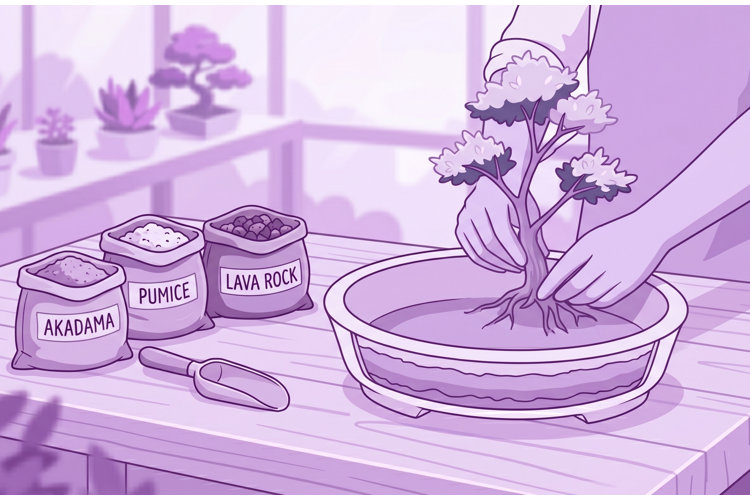
Bonsai trees should be planted as small cuttings or seedlings in a shallow tray or planter. A highly porous soil mixture, which commonly includes akadama, pumice, and lava rock, should be used when planting a bonsai to avoid root rot. Bonsai trees require fertilizer in their soil 1-2 times per month during their growing seasons, as nutrients leach more easily from porous soil mixtures. You will likely need to use wire to attach the new cutting to the tray and keep it upright as it grows and establishes roots.
Tip!
Your bonsai tree will need to be repotted to a larger tray once its root system outgrows the current one. Most species need to be repotted every 1-3 years depending on their specific growth rate.
2. Water on a Regular Basis
Watering is extremely important in keeping your bonsai tree alive. Instead of relying on a strict watering schedule, check your soil daily. When the top layer of the soil is dry, it’s time to water. To water your bonsai, soak the tray thoroughly with a watering can or faucet, until water runs out of the bottom of the tray – this is best done in a sink or outdoors. Once it stops dripping, repeat this process 1-2 more times to ensure the entire root ball is soaked.
Tip!
Even with watering, certain species can dry out quickly. You may want to keep your bonsai on a humidity tray or mist its foliage daily to keep it hydrated.
3. Ensure Access to Sunlight
Many bonsai tree species require full or partial sunlight. The exact amount of direct sunlight your tree needs depends on the species, so research is required for best results. Keep your bonsai near a window that receives sunlight for long periods of time throughout the day. Placing your bonsai on a table or plant stand in a sunny area is the best way to ensure it receives enough sunlight.
When you first pot your bonsai tree, you will need to prune it and train its branches with wire to get the desired shape. As it continues to grow and produce new branches, you will need to trim it regularly to maintain its shape. It’s recommended to do a maintenance trim, clearing away any unwanted branches or foliage, 3-4 times per year. A major restructural pruning, and shaping should only be done once per year to allow your bonsai to recover and grow.
Understanding Your Bonsai Tree’s Needs
Failing to recognize the needs of your specific plant species can result in a sick or dying bonsai. Do some research on your bonsai tree’s requirements to make sure you are set up for success. Take note of sunlight, watering, soil, and repotting recommendations, as well as common pests and diseases to be on the lookout for.
Common Bonsai Tree Species
A bonsai can be created from virtually any woody-stemmed perennial tree or shrub cutting. However, several species are most commonly used for bonsai.
- Ficus: One of the most popular species for bonsai beginners, a ficus is an indoor tree that requires temperatures above 60°F. It requires full sunlight and does best with high humidity. Your ficus bonsai will need to be repotted every other year in order to thrive.
- Bamboo: While not a tree or a shrub, bamboo is a popular plant used in bonsai often as an accent plant or to create miniature forests. Bamboo can be shaped like other bonsai species, but it is more limited due to its strong shoots. Bamboo requires full sunlight, especially for denser growth. Bamboo is fast-growing, meaning its soil should be kept moist, and it will likely need to be repotted yearly.
- Juniper: Another popular bonsai pick, the juniper is an evergreen coniferous tree. Juniper bonsai can be kept outside year-round and require a lot of sunlight. Take care not to overwater your juniper plant, as its roots don’t like wet soil. Junipers should be repotted every two years.
- Japanese Maple: The Japanese maple is a small, slow-growing shrub originally from Japan, China, and Korea. It is popular for its hand-shaped leaves, which change vibrant colors seasonally. While they do require a lot of sunlight, they should be moved to the shade when temperatures rise above 85°F to avoid damaging their leaves. Japanese maples typically require daily watering and should be repotted every two years.
Frequently Asked Questions
What is a bonsai tree?
A bonsai tree is a tree or shrub that is grown in a shallow container and carefully pruned and trained to remain small. Bonsai is not a specific species of tree – many different tree and shrub species can be cultivated using bonsai techniques.
What does bonsai mean?
The word bonsai comes from Japanese and roughly translates to "tray planting." It combines the words bon, meaning shallow tray, and sai, meaning planting. Today, bonsai refers to the art of growing and shaping miniature trees in containers.
How do you care for a bonsai tree?
To care for a bonsai tree, provide the correct amount of sunlight, water it when the soil begins to dry, fertilize during the growing season, and prune regularly to maintain its shape. Care requirements vary by species, so it's important to research your specific bonsai tree.
How often do you water a bonsai tree?
Most bonsai trees should be watered whenever the top layer of soil feels dry. Depending on the species, climate, and season, this may be daily or every few days. Avoid watering on a strict schedule and check the soil regularly instead.
How do you water a bonsai tree properly?
Water your bonsai thoroughly until water drains from the bottom of the container. Allow excess water to drain completely, then repeat the process once or twice to ensure the entire root ball is saturated.
How do you trim a bonsai tree?
Maintenance trimming involves removing unwanted shoots, branches, and foliage to preserve the tree's shape. Most bonsai benefit from light pruning several times a year, while major structural pruning should be done less frequently.
When should you repot a bonsai tree?
Most bonsai trees should be repotted every one to three years, depending on their growth rate and root development. Repotting helps prevent the roots from becoming crowded and refreshes the soil.
