Everything You Need to Know About Wallpaper Types: From Application Methods to Design Patterns
Learn all about each type of wallpaper.
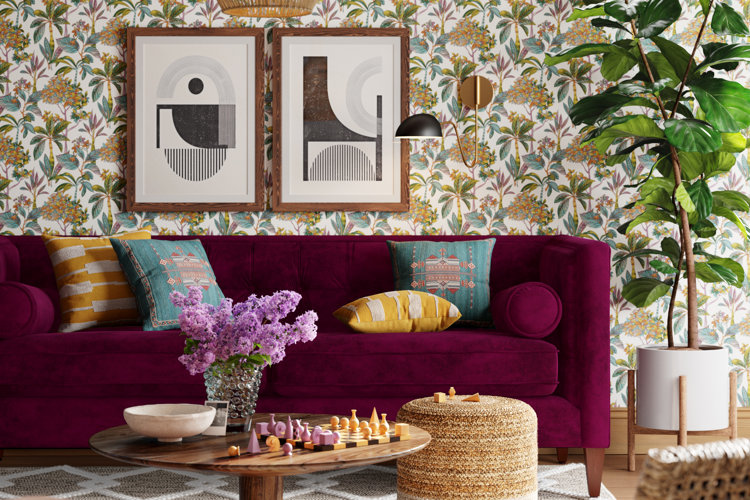
Wondering if wallpaper is right for your home? We've gathered information about wallpaper types, features, and patterns to help you decide.
1. Non-Pasted
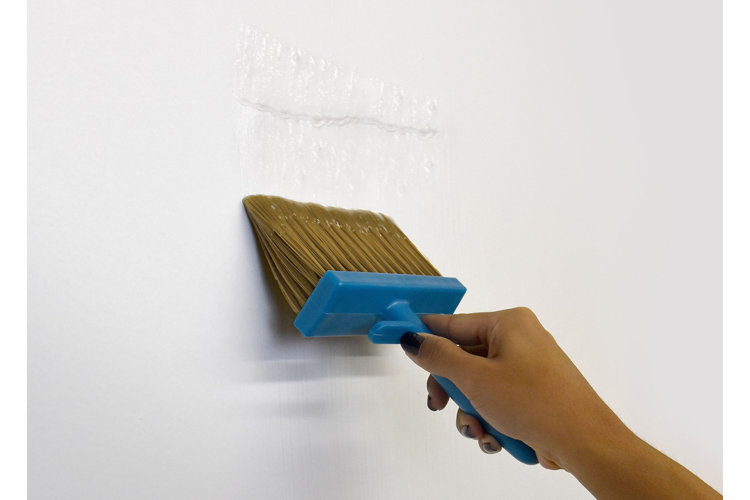
This wallpaper does not come prepared with adhesive so you’ll need to use paste to apply it to your wall. Though the pasting process can be messy and particular, it tends to produce the most long-lasting results.
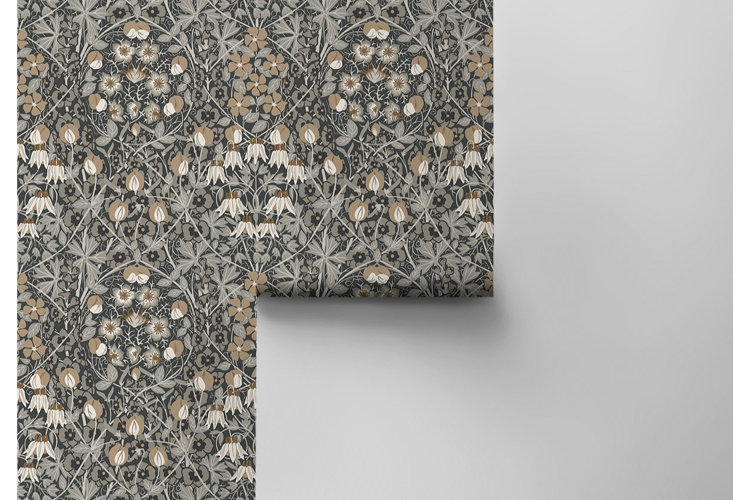
Just add water and this wallpaper is ready for application. No messy paste required. Though quick and easy, this application style unfortunately doesn’t last as long as the others.
Also called self-adhesive wallpaper, peel-and-stick wallpaper acts like a sticker; just peel off the backing and apply it to the wall. If you redecorate often or rent, it’s easy to remove and replace.
This is the most common type of wallpaper because it is easy to hang and remove, is the best option for damp areas, and often comes pre-pasted.
This type of wallpaper is not vinyl-coated and is resistant to moisture and water, making it ideal for the bathroom. It’s also super easy to install with its adhesive that pastes to the wall.
Colors show up beautifully on paper wallpaper, but beware of scratching and tearing as this material is the most delicate of them all.
Considered the highest quality wallpaper, fabric can be difficult to hang. It usually doesn't come pre-pasted. Be extra careful about smoothing out air bubbles when applying, so the fabric doesn’t wrinkle.
Made from natural fibers including grass cloth, hemp, jute, reed, or arrowroot, these wallpapers don't require pattern matching, which makes them easier to hang.
Washable wallpaper can be wiped down to remove messes – perfect for use in the kitchen, kids spaces, or anywhere in the home where walls are prone to getting stains or scuff marks.
The best option for bathrooms and kitchen backsplashes, moisture-resistant wallpaper will hold up against water damage.
Paintable wallpaper is thick, with a raised design to give it some added texture. It can cover wall damage and can be easily painted over in a color that best suits your style.
3D-embossed wallpaper includes any wallpaper with textured details or 3D shapes. This wallpaper works best for accent walls or as the main wallpaper in large rooms that you want to make a bit more cozy.
Metallic wallpaper incorporates gold, silver, rose gold, or copper-like finishes to add a luxe sheen to any space. We recommend using metallic wallpaper in small spaces as it will reflect natural light and enhance the room's brightness.
Flocked wallpaper is the perfect excuse to elevate your home's interior with a warm, velvet-like texture. From velvet-infused damask prints to modern abstract designs with velvet inlays, you can achieve the look no matter your interior aesthetic.
Patterned wallpaper includes prints like geometric shapes, stripes, polka dots, and plaid designs, along with cool abstract patterns. These prints help energize any room and can be eye-catching or subtle depending on the design and color you choose.
Floral wallpaper comes in a wide variety of colors, designs, and styles, whether you're after something whimsical and contemporary or traditional – like heritage-inspired floral prints.
If you want the look of paint without the same permanence, solid color wallpaper is a great alternative. Opt for solid color peel-and-stick wallpaper to make rental spaces come to life, or use it as a test tool to see how a wall color would really look in your space.
You can also achieve the look of rustic shiplap, exposed brick, or earthy stone walls by going with a wallpaper that mimics their appearance. This is much more inexpensive and easier to install compared to actual shiplap, brick, or stone materials.
Ideal for beginners, random pattern wallpaper doesn’t need to be lined up and can be hung without regard for the pattern. For context, random pattern wallpaper doesn't have a specific design that needs to be matched up during installation, unlike straight or drop match patterns.
Straight match paper needs to be lined up vertically. When installed, each strip of wallpaper will be lined up at the edge of the ceiling. This helps ensure the pattern continues seamlessly.
While the designs are much more complex, they are also more intricate, and require both vertical and horizontal pattern matching. Drop match wallpaper is the most difficult to hang but provides the most impressive results.
Tip!
Want to learn how to install wallpaper? Check out our guide Wallpapering 101: How to Install Wallpaper to find step-by-step instructions, including tips on wallpapering corners and around obstacles.
