11 Low-Light Indoor Plants for Your Home
These low-light indoor plants are easy to keep alive.
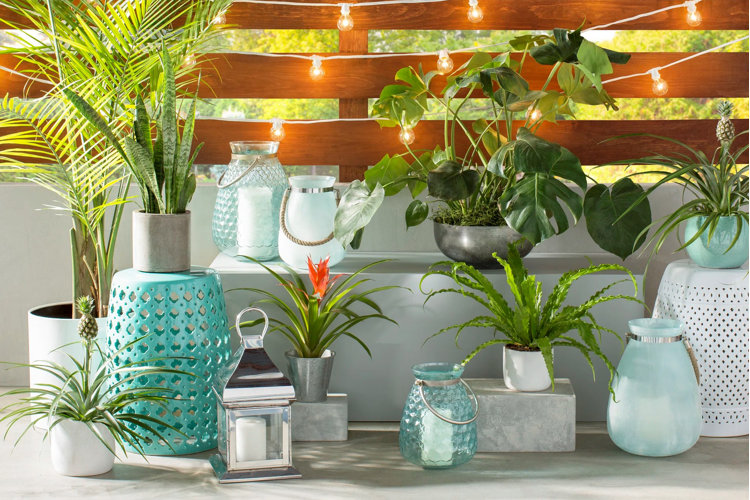
Have you been avoiding getting houseplants due to a lack of indoor light? Most people believe that their foliage options are only limited to those plants that grow in bright places, but this is not always the case. In fact, there are a myriad of low-light indoor plants that are perfect for homes and offices that receive little to no natural sunlight. Here are eleven types of plants for dark rooms that are perfect for growing inside.
In This Guide
11 Low-Light Plants for Your Home
What Is a Low-Light Indoor Plant?
11 Low-Light Plants for Your Home
1. Select a Snake Plant
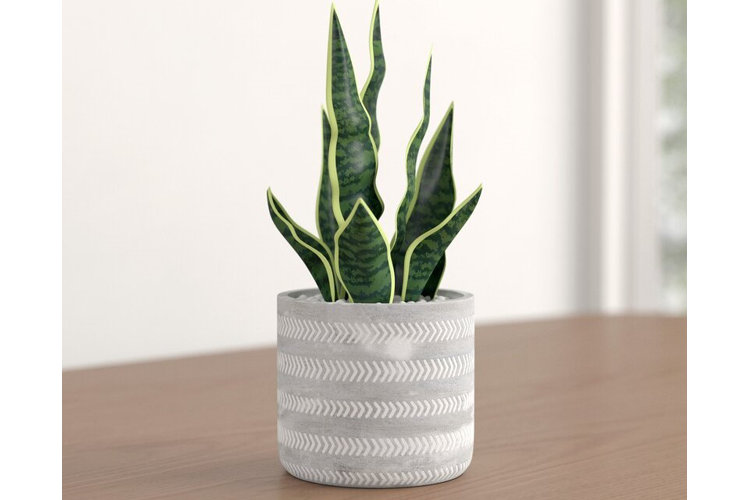
As the name suggests, the Snake Plant (also known as Mother-In-Law Tongue) gets its name from its striped patterns that are reminiscent of reptiles. These popular low-light indoor plants are easy to care for and are quite difficult to kill thanks to their extreme drought tolerance. Their stiff, sharp leaves are edged in yellow or gray and have a sleek appearance that looks great in modern interiors. Snake plants work well in small and even windowless spaces, and need infrequent watering (every three to four weeks), so be sure not to overwater yours.
The Zamioculcas Zamiifolia or ZZ plant is a good low-light plant that has thick dark green oval leaves and tapered stems. These tropical plants require little water and can be left with no attention for long periods of time, making them ideal for frequent travelers. ZZ plants are great for beginner gardeners as they tolerate dark corners well and can even handle neglect. These great looking houseplants are one of the toughest around and can grow up to three feet tall. Be sure to plant yours in a well-draining pot and enjoy the life its glossy leaves bring to any space.
The Pothos or Devil's Ivy is a staple low-light indoor plant that requires very little water. These vining houseplants add a tropical flair to your space. Their trailing stems have the capacity to grow up to 30 feet if not cut back – though plant parents prefer to keep theirs between 6–10 feet long. Most Pothos plants have leaves in shades of yellow, cream, or white, and thrive in low or indirect light. They can grow in just about any room or office, whether you choose to place yours in a hanging planter or train it to climb a trellis.
Dracaena is the genus of around 120 tropical plants that come in a broad array of shapes, colors, and sizes. Not only do they add a touch of elegance to any room, but these low-light tropical plants are notoriously easy to grow thanks to their low water requirements. These no-fail low-light indoor plants are often sold as standard houseplants or in tree form. Dracaena plants usually look like small palms that can grow up to 6 feet tall. For a fun aesthetic, try using tropical planters and cluster a few together to emulate the feel of a forest to lighten up any drab corners.
Add some life to your desk or make your home more welcoming with a Philodendron – a much-loved low-light houseplant with a jungle-like appearance. This popular plant for dark rooms prefers a low-light setting and is fairly tolerant of dark interiors. Caring for these houseplants is extremely easy, as they require only weekly watering, or whenever their soil is dry to the touch. Their trailing stems can reach up to 8 feet, making them great hanging plants. Philodendrons can also be trained to climb a trellis if you please. Be sure to dust their vines regularly to keep yours looking green and healthy.
Slow-growing palms are known for growing well in dim corners where not much else will. These ornamental plants can grow up to 4 feet, making them the perfect option to fill in an empty space, break up a blank wall, or simply stand as a bold living sculpture in a planter. As long as they are planted in a well-draining indoor potting mix and watered only when the soil feels dry to the touch, these low-light indoor plants are easy to grow and maintain. You would do well to occasionally mist your palm during the winter months.
Ferns are classic forest floor dwellers – read: shade. They come in a wide variety of species, most of which naturally enjoy cooler temperatures, though they should be kept away from both cold drafts and heat ducts. These indoor shade plants can grow up to 3 feet tall and look especially good in baskets or urn planters. They are flexible and easy-going plants that enjoy humidity, which is why it's a good idea to mist them during the winter.
A cactus is a foolproof choice when plant shopping. These low-light plants are native to desert regions where they experience high temperatures during the day, cold temperatures at night, and very little water throughout both. Despite what you may think, cacti don't need constant sunlight, in fact, many can burn in direct sunlight, while others will even grow where there are no windows or natural light. They are an extremely resilient and diverse group of plants that can withstand a lot of neglect. It is a good idea to invest in a planter with drainage holes to prevent overwatering your cactus, as this is one of the few ways to kill it.
Bamboo is a popular symbol of feng shui in the East that is said to bring good luck and fortune. These extremely tough low-light plants are usually sold in vases with water and pebbles, but they are also able to grow in soil. Bamboo requires moderate to high moisture, and those that grow in water will do best with distilled water, not tap water. These nearly indestructible plants do crave some indirect light but will do perfectly well on an office desk or tabletop, as long as they are not near drafty areas.
Succulents are durable low-light indoor plants that store their water in their fleshy leaves and stems. Due to their shallow root systems, they can easily be overwatered. It is best to water yours every two to four weeks, just depending on the size of the pot and amount of light it receives (less light means less water). They do extremely well in clay and ceramic pots where they can breathe and have sufficient drainage. These good looking low-light plants add a low-maintenance whimsical flair to any room.
The Pachira Aquatica, known as the Money Tree or Money Plant, is native to central and South America where it grows in moist and swampy areas. These low-light plants are a popular gift – it is believed that as they grow and prosper, so will their owner. They are often used as bonsai trees that have several trunks carefully braided together. Money trees do well in partial shade beneath the canopies of other trees, but survive well as low-light indoor plants with less new growth. Misting is a great way to create a humid environment and keep the dark green leaves clean.
Houseplants are a favorite amongst homeowners looking to add a little life to their space. Although most houseplants require direct sunlight, there are a select few low-light indoor plants that work perfectly in sun-deprived spaces. It is important to note though, that low-light does not mean no light at all. Low-light plants usually refer to those that can grow and survive in relatively weak indirect light. This includes the light that comes within a few feet of a north-facing window, 5 feet of east-facing windows, and 10 feet of west- or south-facing windows. Although plants do need light to keep healthy, green, and growing, plants for dark rooms will tolerate less light and have a slower growth rate. There are several types of houseplants that are primed for low-light situations – read on to find the best one for you.
Although low-light indoor plants require little maintenance, they still need a good plant care routine. Particularly due to the fact that plants in low-light conditions grow more slowly, which in turn makes them vulnerable to overwatering and root rot. Here are some additional tips on keeping your low-light plants in tip-top shape.
- Most plants for dark rooms will be burned by direct sunlight. It is best to keep them in low or indirect light, and filter any direct light they encounter.
- Always check soil moisture before watering your low-light houseplants. To prevent waterlogging, it's better to keep the soil on the drier side rather than over-saturated.
- Reduce watering in winter.
- Plants for dark rooms need less fertilizer than those that grow in direct sunlight, so be conservative with amounts.
- Watch out for any pests such as spider mites.
- If you are looking to maintain a particular shape and size, remember to prune your low-light plants fairly regularly.
- Dust and wipe leaf surfaces often. A little misting can help with this.
Tip!
Be sure to check if the low-light indoor plant you want is toxic to children and/or animals. If it is, be sure to place it in an out-of-reach location.
Low-light indoor plants are the ideal no-fuss option for beginner gardeners and homes that are short of natural light.
