5 Tips for Picking the Right Garbage Disposal
Here are some pointers on what to look for when buying your next garbage disposer.
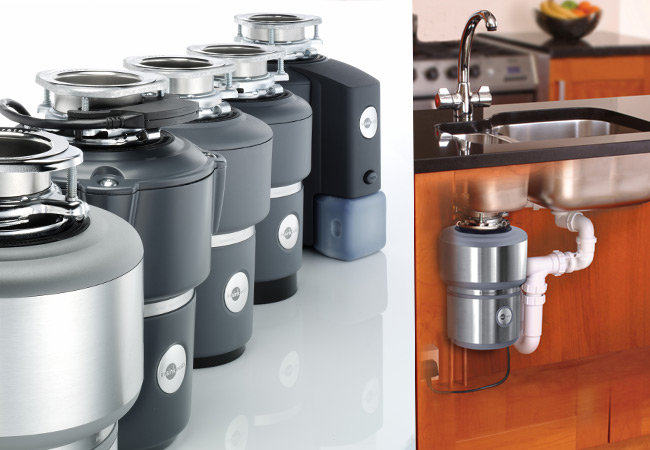
Disposers can last as long as 10 to 15 years, and it can be overwhelming to shop for a replacement with so many changes over time. Most homeowners are familiar with the two basic disposer types - continuous feed vs. batch feed. (Continuous feed grinds while food is continuously fed into the disposer, and batch feed grinds food in batches.) But there are several technological differences that affect functionality, performance and durability.
Here are some pointers on what to look for when buying your next disposer.
1. Motor Type
There are two types of motors: induction motors and permanent magnet motors. Most disposers use an induction motor, which is similar to motors used in large household appliances - such as washers, dryers and furnaces. These motors produce less noise and offer a long, reliable motor life. A permanent magnet motor is a lightweight, variable-speed motor that is similar to motors found in smaller appliances, such as power tools, blenders and hair dryers. While permanent magnet motors generally run at a higher RPM, they will run fastest with smaller grind loads.
2. Horsepower
Disposer motors can range from 1/3 horsepower to more than one horsepower. Higher-horsepower disposers are typically capable of grinding heavier loads easier, which prolongs motor life. Consider higher-horsepower models for larger families or frequent cooking.
3. Grind Stages
Disposers will offer either one, two or three grind stages. Here are the differences:
- 1-Stage: Many disposers feature only one stage of grinding, where food is ground once before passing through drain pipes with water.
- 2-Stage: Grinds food in two stages to achieve a finer grind. The second stage of grinding virtually liquefies food waste, allowing for more types of difficult foods to be ground. It also decreases the chances for clogs or jams.
- 3-Stage: This provides the finest grind available, allowing you to grind almost any type of food waste-- including fibrous or hard materials--with no worry of clogs or jams. These units will even handle rib bones and cut grains of cooked rice into tiny pieces.
4. Component Materials
Three types of material are most commonly used with grind chambers and grind components: plastic, stainless steel and galvanized steel. Most disposers are constructed with thermoplastic polymer grind chambers, which help to resist rust and corrosion. However, stainless steel adds superior corrosion resistance that helps prolong disposer life. Galvanized steel is a durable material, but it can rust or corrode over time.
5. Noise Levels
Many homeowners are accustomed to loud disposers, but products with advanced sound technology can reduce noise levels by 30 to 60 percent. Look for disposers that have sound insulation and include noise-reduction features like noise-reducing sink baffles; anti-vibration sink mounts; and anti-vibration tail pipes.

Article Sponsored By: InSinkErator
