Age-in-Place Remodeling: Designing a Safe & Comfortable Home
Style meets accessibility.
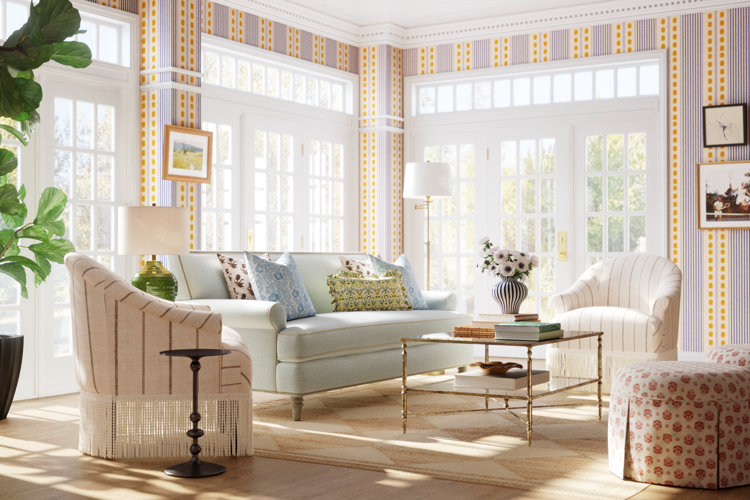
As more people plan to stay in their homes long-term, age-in-place remodeling has become an increasingly popular way to prepare for the future. Unsure where to start? Read on to learn everything you need to know about age-in-place remodeling and how to use it to update your home.
What Is Age-in-Place Remodeling?
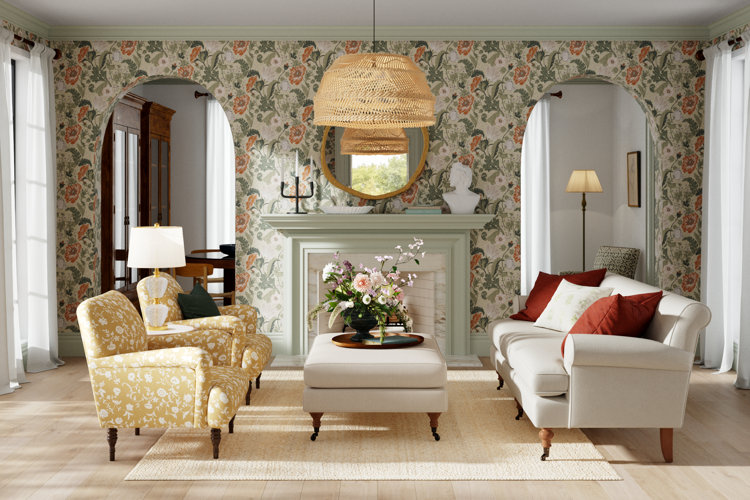
(Shop this image: Floral & botanical wallpaper, floral accent chairs, sofas & couches, rattan & rope chandeliers, and flat-pile area rugs)
Age-in-place remodeling is the process of adapting your home for long-term comfort with accessible layouts, safe materials, and thoughtful design features. From adding slip-resistant flooring to bringing the bedroom to the main level, these thoughtful considerations allow you to live independently as you grow older.
What Are the Benefits of Age-in-Place Remodeling?
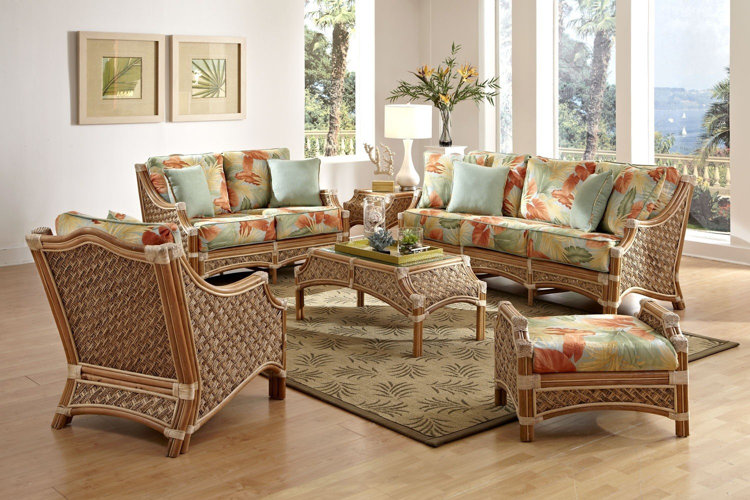
(Shop this image: Floral sofas, rattan & wicker accent chairs, rattan & wicker coffee tables, nature wall art, and flat- pile area rugs)
Age-in-place remodeling allows you to enjoy your home longer, maintain independence, keeps the home comfortable, and reduces the risk of accidents, all while boosting the value of your property. With smart updates, you can create a safe, stylish space that supports you for years to come.
How to Plan an Age-in-Place Remodel
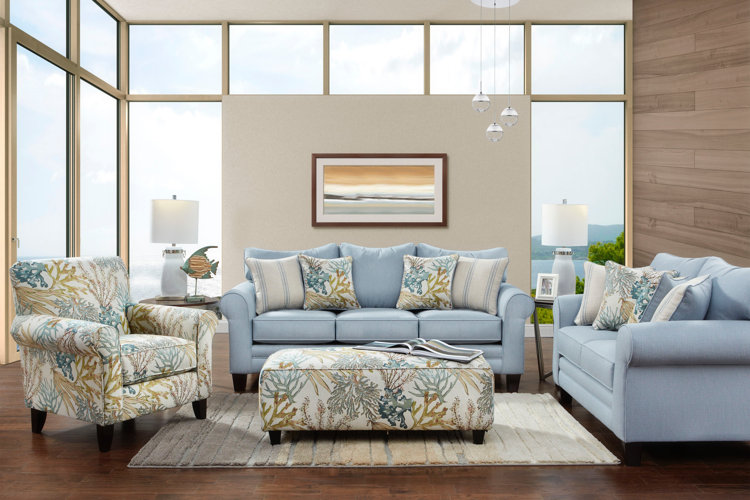
(Shop this image: Blue sofas & couches, coastal accent chairs, flat-pile area rugs, coastal wall art, and globe pendant lighting)
Planning an age-in-place remodel means focusing on practical changes that make a big impact on daily living. From doorways to lighting, these steps help create a safer, more comfortable home.
1. Widen Doorways & Hallways
Make your home wheelchair- and walker-friendly by expanding doorways to at least 36 inches wide. Replace traditional door knobs with levers for easier use. Ensure your hallways are 42 to 48 inches wide for easy, unobstructed movement between rooms.
2. Create a Zero-Step Entry
Eliminate tripping hazards by replacing entryway stairs with a ramp. This small swap makes it easier to move groceries, wheelchairs, or walkers in and out of the home. By creating a step-free transition, you’ll not only boost accessibility, but add long-term convenience and safety for everyone who enters your home.
3. Remodel the Bathroom for Safety
Swap your bathtub for a walk-in shower with a shower bench to reduce the risk of slips and make bathing more comfortable. Add grab bars near the toilet and shower, and choose nonslip tile or vinyl flooring for extra stability. Because bathrooms are a common area for household falls, these upgrades provide peace of mind and ensure the space is safe for everyday use.
4. Update the Kitchen for Accessibility
Install pull-out shelves, drawers, and lazy Susans to keep essentials within easy reach without bending or stretching. Opt for multi-height counters to make meal-prep comfortable whether you’re standing or sitting, and add bright under-cabinet lighting to illuminate your work area. These changes make cooking, cleaning, and entertaining easy for years to come.
5. Improve Lighting Throughout the Home
Add motion-activated night-lights in hallways and bathrooms for safer navigation in the dark. Since poor visibility is a leading cause of falls, layer overhead, table, and floor lighting to keep every room well-lit. Thoughtful lighting design also creates a brighter, more welcoming atmosphere.
6. Choose Safe Flooring
Replace loose rugs with secure, flat-pile carpets or slip-resistant vinyl flooring to minimize the risk of trips or falls. Keep flooring consistent between rooms to avoid uneven transitions. Safe flooring not only prevents falls, but ensures every step is safer while leaving room for style and comfort.
7. Bring the Bedroom Downstairs
If your home layout allows it, move your primary bedroom to the main level to eliminate the need for daily stair use. Allow at least 36 inches of clearance around the bed for easy movement in and out. First-floor bedrooms make day-to-day life more convenient and ensure you can remain comfortable in your home if stairs become difficult to manage.
8. Add Smart Technology
Incorporate smart home devices to make daily routines safer and simpler. Smart-enabled lighting helps you brighten any room without needing to reach for a switch, while smart locks add peace of mind with secure, keyless entry. Consider adding a smart thermostat to maintain a comfortable temperature with just a tap or voice command.
9. Upgrade Exterior Safety
Boost outdoor safety and convenience with upgrades designed to make your entryways and yards more accessible. Install sturdy handrails along steps and porches, and add motion-sensor outdoor lighting to keep pathways bright after dark. Weather-resistant patio furniture makes outdoor spaces easier to enjoy with minimal strain and upkeep.
