Bird Cage Buying Guide: How to Choose the Best Option
Your pet bird's health and happiness depends on it.
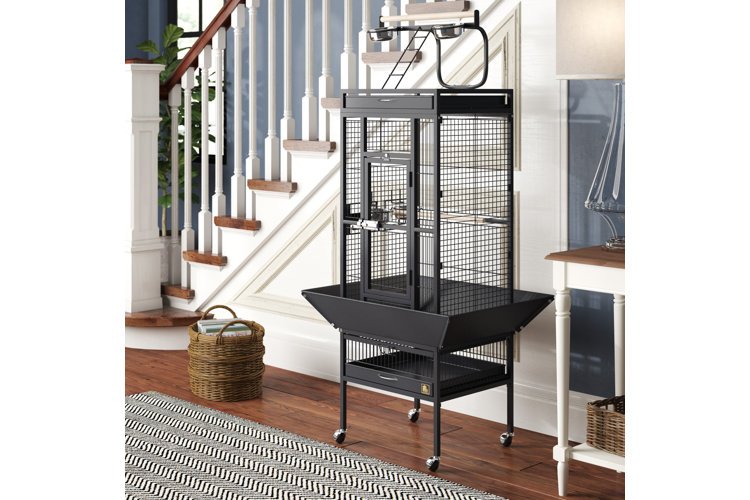
The way to a pet bird's heart starts with the cage you select for them. The right cage should give your pet bird(s) the space they need to stay happy, healthy, and active. With so many options to choose from, it's important to choose the cage that works best for your pet bird’s species and your own aesthetic preferences. Keep reading to learn everything you need to consider when shopping for the perfect bird cage for your feathered friend.
Cage Types
Cage Top Styles
Cage Sizes
Cage Materials
Cage Features
Cage Placement & Care
Cage Types
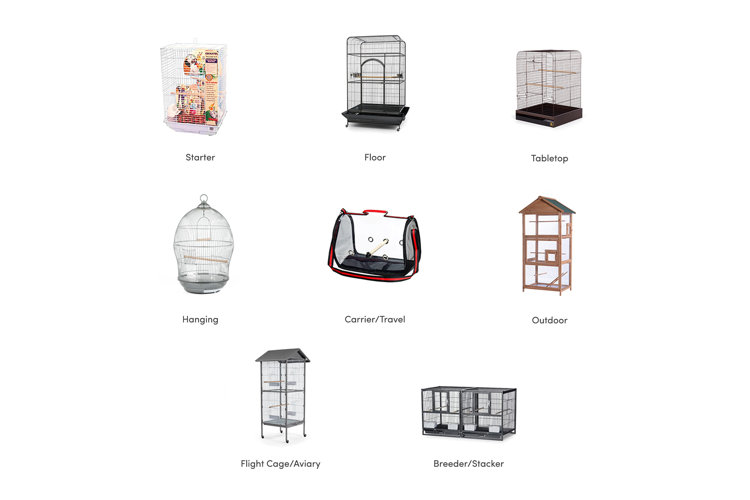
Get your search started by taking a look at the types of bird cages available. From standard, starter cages to breeder cages, we've got you covered. Review your options below.
Starter: If you're a first-time bird owner, a starter bird kit might be the way to go. Starter cages include all the basics you need to welcome your pet bird home and keep them busy. Starter kits include a basic cage, perches, bird toys, and other practical accessories like food trays. Just be sure your starter cage caters to the bird species you want.
Floor Cages: Floor-length cages are a great option for large birds with long tails or any bird species you want to show off in a floor-length display. Many floor-length cages come with wheels so you can easily move, adjust, or clean around the cage. Some have corner-style configurations to save space.
Tabletop Cages: Tabletop cages are designed to rest on table surfaces. These cages typically cater to medium- or small-size birds and usually have wider dimensions to accommodate for the horizontal flying patterns of smaller birds.
Hanging Cage: Hanging cages are a great space-saving alternative to the tabletop cage design. Hanging cages come with a sturdy hanger that you can attach to a durable ceiling hook. However, you can also place them on tabletops if you choose to. These types of cages are perfect for showcasing one small bird.
Carrier/Travel Cage: Take your pet bird sightseeing or keep them safe and secure during a house move with a carrier/travel cage. We recommend having a travel cage in addition to a stationary cage for when you need to take your pet bird with you on the go. Carrier/travel cages vary in design, from carrier backpacks with built-in perches to metal travel cages with handles.
Outdoor Cage: An outdoor cage provides birds with an outside environment while keeping them safe and secure. Outdoor cages are constructed to withstand outdoor weather conditions and can work indoors or outdoors depending on your preferences. Many outdoor cages have wheel bases so you can easily move your birds outside on nice days and then back inside.
Flight Cage/Aviary: Small birds prefer flight cages. These are slightly larger than the average cage, and are built to give small birds plenty of room to fly around (thus, their name). Flight cages typically go inside, but some are also suitable for outdoor use. Aviaries typically go outside. These are large structures, much like the size of a small greenhouse. These enclosures work best for larger birds like parrots, toucans, or macaws.
Breeder/Stacker Cage: For anyone who wants to breed small birds, a breeder/stacker cage may be the way to go. Most breeder/stacker cages have two cage compartments separated by a removable divider. Each compartment has space for multiple small birds to breed. Some breeder cages have stackable designs so you can stack one on top of the other. This space-saving feature allows you to house more birds.
A cage's top design influences aesthetic appeal and interior space for your birds. Determine which bird cage designs best meet your needs, below.
Flat Top: Flat-top designs typically pair with tabletop or floor cages. This is the most simplistic of the top designs. Because of this, flat top cages are also more budget-friendly than more decorative designs.
Play Top: Cages with play tops give birds the chance to come out of the cage and roam freely. Play tops typically have a door feature you can open and close as you wish. When opened, your pet bird has the opportunity to exit the top and play outside of the cage with hanging toys and perches. Play tops are especially helpful for medium or large birds that like to get out and explore.
Pointed-Top: Pointed-top cages add vertical space and decorative appeal all in one. Their house-like design creates a fun atmosphere for your birds to live and play in. This cage design comes in a variety of sizes to accommodate small to large birds alike.
Dome: Dome tops create more space than flat or pointed designs. This creates more room for your pet bird to stretch out its wings, fly about, or play with toys hung from the top of the dome. Cages with dome tops suit small- and medium-size birds the best because they create a spacious feel without being too large.
Scalloped/Victorian: If you want maximum decorative impact and increased cage space, a scalloped/Victorian top design is the way to go. This design pairs with a range of cage sizes to accommodate small to large birds.
There are a few ways you can find the right bird cage sizes. These include filtering by bird species, cage size, and bar spacing. When in doubt, always opt for a larger cage size than you think you need, unless your bird species requires a smaller cage to feel secure. The larger the cage, the more room your pet bird will have to fly about and play, which keeps them happy and healthy.
By Bird Type:
Already have pet birds or know which species you want? Reference the links below to browse cages suitable for their specific needs:
Small Birds:
Medium Birds:
Large/XL Birds:
If you're unsure which bird species you want as a pet, you can browse by the average cage sizes that accommodate a specific size bird. This way you can be sure that they have enough space to thrive and that the bar-spacing is close enough to keep them safely in the cage, but not too small to obstruct your view of them.
Small Bird: Cages meant for small birds typically have less than ⅝" of bar spacing to ensure the smaller birds species can’t squeeze through the bars and escape the enclosure.
Medium Bird: Cages meant to house medium-sized birds typically have ½" to ⅞" of bar spacing.
Large/XL Bird: Large birds require larger gaps between bars so you can see them properly in their enclosures. For this reason, large cages typically have bar spacing of ¾" or more.
Tip!
The chart above outlines the minimum cage size recommendations for each bird species. Some manufacturers specify the number/size of birds their cages accommodate to help take away the guesswork. Each bird you plan on housing should have room to open and flap their wings. For example, a small finch can have a wingspan up to 8" to 10" wide, so they will need a space width of at least one-two times the length of their wingspan or preferably more for maximum comfort. The proper space dimensions keep birds happy and healthy, whether they’re housed by themselves or with other feathery friends.
By Bar Spacing:
If you know your bird species and bar-spacing requirements for their cage, you can also browse for cages that have the specific bar spacing you require. It's important to note that bar spacing doesn't impact the overall size of the cage. Instead, bar spacing ultimately ensures the safety of your bird. If the space between bars is too large, smaller bird species could escape or even get trapped between the bars, causing injuries. The right spacing between cage bars allows you to view and admire your feathered friends while keeping them safe and secure inside.
¼" or Less: This bar spacing pairs with bird cages for small birds like Finches and Canaries.
⅜" Spacing: This bar spacing also works well for Finches and Canaries.
½" Spacing: Small birds like Budgies, Cockatiels, Lovebirds, Parrotlets, and Ringneck Parakeets benefit from bar spacing of at least ½".
⅝" Spacing: Ringneck Parakeets, Conures, Poicephalus, Caiques, Pionus, and Jardine's Parrot species do well with bar spacing of ⅝".
¾" Spacing: Bird species that benefit from ¾" bar spacing include Conures, Poicephalus, Caiques, Pionus, Coffin's Cockatoos, Jardine's Parrots, Amazon Parrots, Mini Macaw Parrots, and African Grey Parrot species.
1" Spacing: Coffin's Cockatoos, Large Cockatoos, and Amazon Parrots, Mini and Large Macaw Parrots, and African Grey Parrot species enjoy at least 1" bar spacing.
1 ½" Or More: Large Cockatoos and Macaw Parrots can live in cages with 1 and ½" bar spacing.
Review these common bird cage materials to determine which one best suits your needs.
Iron: Iron cages not only look amazing, but they also have the durability to match. Iron’s heavy-duty composition makes it a great cage material for large birds. Most iron cages are powder-coated to prevent potential toxins and keep your bird healthy – more on powder-coated finishes in the feature section below.
Steel: Consider metal bird cages made of materials like 100% stainless steel for a rust-resistant cage. Rust-resistance is an important characteristic of stainless steel because it ensures you can clean your cage as often as you need to with water and cleaning products without worrying about potential damage to the cage. After all, your bird's health and cleanliness should always come first! Stainless steel cages are also optimal for outdoor use, since they won’t rust when exposed to the elements.
Aluminum: Aluminum is a more inexpensive metal material compared to iron or steel cage options. Aluminum is commonly used for starter cages or cages meant for small bird species, but this material can also make up larger cage structures like flight cages.
Wood: Wood bird cages provide a sturdy design and look amazing. Most wood cages have weather-resistant finishes or water-resistant coatings so you can move them from inside to outside or clean them without worry of damage. Wood cage materials work well in the construction of large flight cages or aviaries, but they also look particularly stylish when used in the construction of small cages.
Plastic: Plastic bird cages are more budget-friendly than other options and include starter cages, travel carriers, or any cage designed to house small, lightweight birds.
There are a variety of useful features to choose from that make bird cages more functional and easy to use. Check out these cage features to determine which ones are must-haves on your list.
Perches-Included: Perches provide a convenient spot for pet birds to rest, access food or water dishes, climb throughout the cage, or just hang out. Some cages come with compatible perches that fit in designated spots and spread the width of the cage. This ultimately helps save you time and money because you know the perch is compatible.
Tray-Included: Cages with compatible trays help keep spills and droppings at the bottom of the cage instead of on your floor. Then, you can remove the tray from the bottom of the cage and clean off food, water, feathers, or droppings to ensure the bottom of the cage stays clean.
Food Cups-Included: Some cages come equipped with food cups so you don't have to source them yourself. Certain cage designs also have pre-built holders to securely hold food and water cups and prevent spills.
Food Access Doors: Food access doors allow you to gain access to the cage without reaching in the main opening. Just open the door and place fresh food or water on the food platform. These small, controlled entrances also help to keep your pet birds from flying out of the cage when you go to clean or refill their food and water dishes.
Grate/Grille-Included: A grate/grille rests across the bottom portion of the cage and sits directly above the cage tray. A floor grate ultimately helps keep the interior of the cage cleaner than if there was only a tray, as it discourages birds from jumping around in food spills, feathers, and droppings.
Wheels/Casters-Included: If you want the freedom to move cages with ease, look for designs with wheels included at the base. Floor cages typically have wheels so you can easily transport your cage from room to room or outdoors.
Stand-Included: Attachable cage stands allow you to elevate your tabletop or hanging cage or detach them from their stands whenever you want. This gives you the flexibility you need to adapt your cage setup to your room and space requirements.
Carry Handle-Included: Carry/travel cages and stationary cages can have carry handles to make transportation easy, whether you plan to move houses or simply remove the cage from a table surface for cleaning.
Storage Shelf-Included: Storage shelves typically come as a part of floor cage designs. Located beneath the cage, the storage shelf is a convenient spot for storing extra toys, food, and other cage accessories for your bird.
Powder-Coated Finish: As mentioned in the materials section, the majority of cages made with iron and other metals have a powder-coated finish to protect your bird from potential metal hazards and keep the metal rust-free.
Dividers-Included: Cage dividers are common features for breeder/stacker cages. These can be removed or reinserted as you see fit throughout the bird breeding process, or if you decide one of your birds needs space from the others.
Bird-Proof Latch/Door Lock: Birds are smart, but cage designs are smarter. Ensure your feathered friends remain securely in their cages by opting for a cage with a sophisticated bird-proof door lock.
Removable/Open Top: Removable and open-tops are common for play-top cages. Removable tops are exit doors located on the top of the cage. You can keep them open for your pet bird to fly in and out or keep it closed. This feature allows your pet birds to fly upwards and out of the cage when opened. With play-top cages, birds fly directly up and out of the cage and onto a perch or to a nearby play gym.
Swing Doors: A cage with small swing doors will prevent the bird from escaping, while still giving you plenty of room to access the interior.
Door-in-Door: This door option combines two doors for two different functions: a smaller door that allows you to feed the pet without risk of it escaping and a large door for easy access into the interior of the cage.
Cage Placement & Care
Here are a few important tips for setting up and maintaining bird cages to ensure your pet bird(s) have the best home.
Choose an Optimal Spot
Before you move your bird into its cage, you need to make sure it's placed in the right spot. Keep your bird(s) happy and stress-free by placing their cage close to or directly in a corner of the room against a wall. Cages should also always be placed on a table or hung from the ceiling if they aren't a floor-length design. This helps your bird(s) feel safe and comfortable. Don't place cages directly in front of or up against windows as outside noises and predators can cause them stress.
The image above displays the perfect spot for a cage. It's elevated off of the ground, placed near a corner of the room to make birds feel protected, and although the cage is close to a window to receive indirect natural light, the location is far away enough to prevent outside factors from disrupting your birds' sense of safety.
Remember the Toys
Bird play gyms, perches, and fun cage accessories keep your birds entertained and happy throughout the day while providing convenient perches for resting, grooming, or feeding. A variety of play gyms can go right in the cage, or you can place them on tabletops throughout the room for birds to fly to when you let them out of the cage.
Clean Cages Regularly
It's important to clean cages regularly to prevent the build-up of bacteria and potential bird illness. A clean cage also keeps your bird(s) happy and stress-free, because they too enjoy clean homes!
Cage Liners: Place liner paper on the bottom of the cage to catch food spills, feathers, and droppings. Remove and replace these at the end of each day to prevent bacteria build-up and keep odors at bay.
Food & Water Dishes: Rinse and clean food and water dishes at least once a day with hot soapy water. Be sure to use a bird-safe soap or detergent to prevent allergic reactions or pet illnesses. Make sure to completely dry food dishes before filling them with food. Any water residue leftover could cause food to mold.
Full Cage Clean-Outs: Complete a full cage clean-out at least once a month for small birds and every one to two weeks for large birds using a bird-safe cleaner. Remove and scrub grates/grilles. Use a cloth or scrub brush with a bird-safe cleaner to clean the entire interior and exterior of the cage.
Don't forget to wipe down perches, toys, and play gyms. Be sure to let these items fully dry before placing them back in the cage to prevent mold and bacteria growth. Then rinse the cage with water until you're certain it's free from cleaning product residue. Allow the cage to dry completely before placing pets back inside.
Overall Room Cleanliness: The cleanliness of the surrounding room can also have an impact on your bird's health, so it's important to clean the room too. Dust, vacuum, and wipe down surfaces around the cage on a weekly basis like you would in other areas of your home. If your bird's cage rests against a wall or in a corner, make sure to periodically check the wall for dirt build-up and clean accordingly. Refrain from using any household cleaners, air fresheners, or candles in the room that could interfere with your pet's health.
Start browsing for the perfect home for your pet bird!
