Caring for Indoor Plants: How to Care for Plants
Simple tips to make sure your plants thrive.
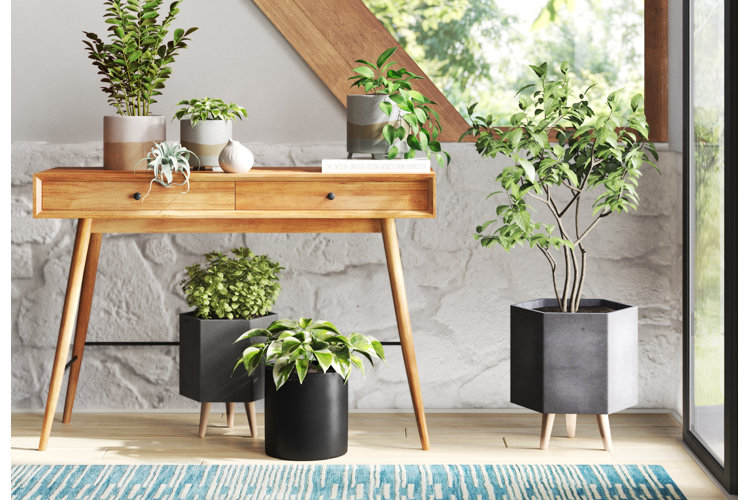
Houseplants are the perfect way to brighten up your space. Not only do plants add a pop of colourful greenery, they can also purify the air, boost productivity, and improve your mood. Whether you're a new plant parent or just want to hone your green thumb, our guide covers all you need to know about caring for indoor plants. Keep reading below to find simple tips on how to care for plants.
Tip!
If you haven't chosen a plant yet, check out our guide The Best Houseplants to Grow Indoors to find our top picks for beginners.
Finding the Right Amount of Light
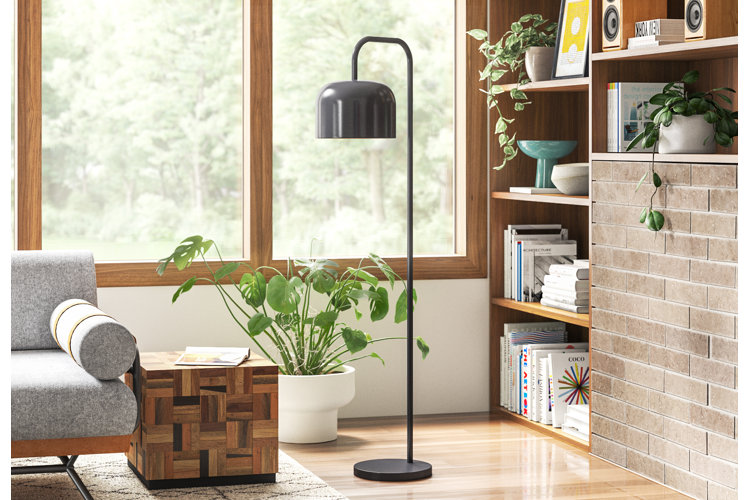
When learning how to care for plants, proper light is one of the important things to consider. Because plants use photosynthesis to convert light into energy, you should place a plant where it can receive enough sunlight.
Though there are some plants that can thrive in dim spaces, most plants need moderate sunlight. Window sills are a common spot to set plants since they'll have plenty of light. South- or west-facing windows are best for providing optimal sunlight. Plants can also be placed in a spot with indirect sunlight near doors or windows. Light-coloured surfaces, like walls or furniture, reflect light and can help provide additional indirect light.
Keep an eye out for any signs that your plant isn't receiving enough sunlight. Some of the most common signs include sparse growth, brown edges, or no new growth. If your plant isn't getting enough sunlight, try placing the plant in a brighter location.
Tip!
For low-light spaces or seasons with shorter days, grow lights are a great way to make sure your plants receive enough sunlight. Grow lights mimic natural sunlight and promote photosynthesis, and many designs feature adjustable settings and timers to adapt to your plant's needs.
Watering the Plants
From a cluster of cacti to a potted ficus, each type of plant has different watering requirements. When caring for indoor plants, make sure to check the plant care tags to see how much water a plant needs.
When to Water
Overwatering is one of the most common causes for plant death. Excess water can limit the air around the roots and lead to root rot. To avoid overwatering and adapt to any seasonal changes, we recommend watering when needed. One easy way to check your plant is to stick your finger into the soil about 1" – 1 1/2" deep near the base of the plant. If the soil feels dry, it's time to water the plant.
How to Water
When watering plants, the water needs to reach the roots, so it's better to fully saturate the soil than to add a little water everyday. Place the planter on top of a saucer to catch excess water and water around the base of the plant using room temperature water. Stop watering as soon as you see water flow from the drainage holes at the bottom of the planter. These drainage holes help provide adequate drainage to flush out water and promote healthy air flow. Empty the excess water from the saucer.
Tip!
Some plants need extra humidity, especially if your home is dry. You can add moisture by grouping the plants close together, or you can mist them lightly or place them near a humidifier.
Feeding the Plants
Just like watering, plants should be fertilized as needed. Factors like age, growth rate, and the time of year can help you determine when it'd be the best time to feed your plants. Most plants have a growth spurt during the spring and summer, so that's an excellent time to add some fertilizer. During the fall and winter, plants don't need much or any plant food.
Plant foods are made of key nutrients, such as nitrogen, phosphorus, and potassium. Nitrogen fuels growth, phosphorus boosts the development of roots and blooms, and potassium helps protect the plant from diseases and environmental stress.
Follow the directions for the plant food to make sure you aren't overfertilizing the soil. Similar to overwatering, too much fertilizer can burn the roots and prevent growth. Check the recommended dosage for the size of your plants.
Repotting Plants
Repotting is another key element when caring for indoor plants. As plants grow, the root system needs more space to spread out and should be moved to a larger planter.
When to Repot a Plant
There are a few reasons you might need to repot a plant: roots hanging out of the bottom of a pot, a lack of new growth, or wilting and yellowing between regular waterings. Some plants that need to be repotted are root-bound, which means that the roots are dense and packed tightly into the pot.
How to Repot a Plant
Follow these steps to make repotting a plant simple.
Step 1: Prepare the plant for removal. Water the plant fully a few days before you plan on removing it. This will help minimize the mess and make removal easier.
Step 2: Gently tilt the plant and firmly pull at the base of the plant to remove it from its original container. Pull slowly so that you don't damage any of the roots. If the plant won't come out of its container, water the plant fully and try to remove it again.
Step 3: Remove the old soil from the roots. Use a garden knife or your fingers to gently separate the soil from the roots.
Step 4: Get the new planter ready. After choosing a new planter that is about 1" or 2" larger than the original one, add in fresh soil to cover the bottom. Place the plant into the new soil and carefully fill the rest of the planter with new soil up to the top rim.
Step 5: Water the plant thoroughly enough to saturate the soil.
Tip!
Need to find a new indoor planter? Read our guide Types of Planters: How to Choose an Indoor Planter for tips on choosing the right one.
Cleaning & Pruning
When caring for indoor plants, it's best to keep them clean and trimmed so that they can keep growing and stay healthy.
Use a dry or damp cloth to gently wipe away any dust that collects on the smooth-leaved plants. For fuzzy leaves, such as the African violet, use a soft paint brush or toothbrush to remove any dust. This improves the appearance of the plants and helps them absorb more light.
Though you can prune plants at any time of the year, the fall is an excellent time to remove any dead or yellowed leaves and trim down any stray stems. With a pair of gardening shears or your fingernails, it's easy to pinch any overgrown areas.
Now that you've learned how to care for plants, shop all of your indoor plant essentials.
