Desk Chair Types: How to Pick the Right Type of Desk Chair
Find the right desk chair for all-day comfort.
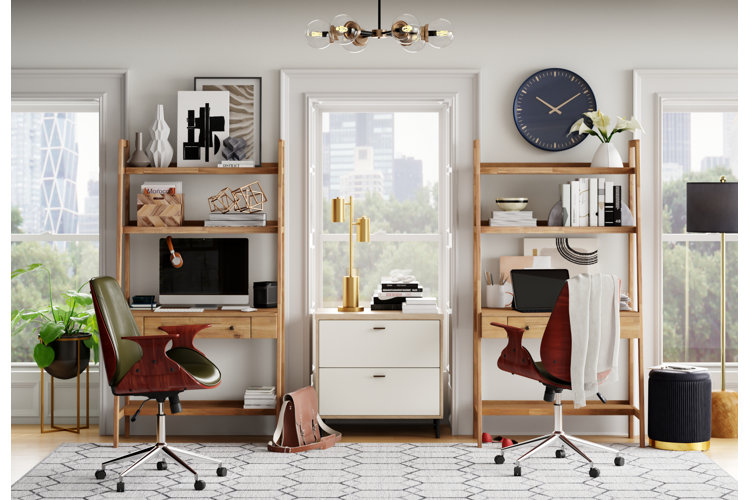
Whether you work from home or simply need a comfortable desk setup, the right office chair can help boost your productivity and keep you comfortable as you tackle your to-do list. Factors like back construction, adjustability, and support are key considerations when choosing the best office chair. Keep reading for an overview of everything you need to know about each option.
In this guide:
Desk Chair Types
Arm-Type
Back Design
Adjustability & Support
Desk Chair Features
Frequently Asked Questions
1. Review Desk Chair Types
There are seven main desk chair types. From form to function, we've outlined what makes every selection stand out.
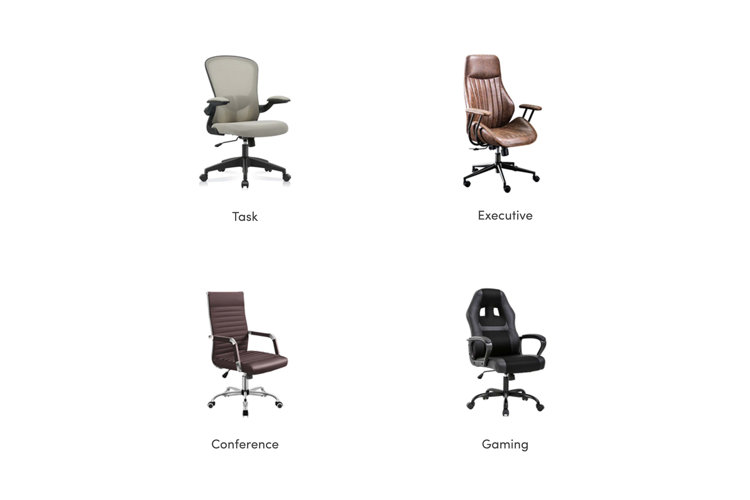
Task Chairs: Task chairs are the classic office chair design most people picture when they think of workplace seating. Typically featuring a cushioned seat, supportive backrest, armrests, and casters for mobility, these versatile chairs work well in most home offices. Many task chairs also include adjustable features designed to enhance comfort and provide ergonomic support throughout the workday.
Executive Chairs: Executive chairs offer a more luxurious take on the traditional task chair. Designed with an extra-high backrest and premium features such as built-in headrests, these chairs prioritize comfort and support during long workdays. Many executive chairs also feature thick padding and upscale materials like leather, giving them a polished, professional appearance.
Conference Chairs: Conference chairs are designed for meeting rooms and collaborative spaces, so they typically feature a simple, streamlined design. Unlike task or executive chairs, they often offer fewer adjustment options and prioritize a clean, uniform appearance. While comfortable for short meetings, conference chairs are generally not intended for extended use as an everyday desk chair.
Gaming Chairs: Gaming chairs are designed to provide comfort and support during extended gaming sessions. Similar to traditional office chairs, they often feature a swivel base, casters for mobility, adjustable armrests, and a padded seat. Many gaming chairs also include ergonomic features such as built-in lumbar support and high-back designs to help promote better posture during long periods of sitting. Read our guide Gaming Chair vs. Office Chair: Which to Choose? to learn even more about gaming chairs.
Side Chairs: Side chairs are stationary seating options that may feature arms or an armless design. Their streamlined appearance makes them a popular choice for home offices, guest seating, and small workspaces. If you plan to spend several hours at your desk, look for a side chair with adequate back support and a cushioned seat to help maintain comfort throughout the day.
Drafting Chairs: Drafting chairs are designed for use with drafting tables, standing desks, and other work surfaces that sit higher than standard desks. These chairs typically have a taller seat height than traditional office chairs and often include an adjustable height range to accommodate elevated workstations. To enhance comfort, many drafting chairs feature a built-in foot ring that provides a convenient place to rest your feet while seated.
Bankers Chairs: Bankers chairs are known for their classic, timeless design, typically featuring a wooden frame, curved back, and padded seat. While traditional models showcase exposed wood construction, some modern versions incorporate upholstered backs and seats for added comfort. Their distinctive look makes them a popular choice for traditional offices, home libraries, and vintage-inspired workspaces.
In addition to chair type, the arm style can impact the overall design and comfort of your desk chair.
Arm Style
Arms-Included: Chairs with armrests provide a place to comfortably support your arms while seated, helping reduce strain on the shoulders, neck, and upper back. When properly positioned, armrests can encourage better posture and make long periods of sitting more comfortable. Many office chairs also feature adjustable armrests, allowing you to customize their height and position for optimal ergonomic support.
Armless: Armless office chairs offer a streamlined design that allows for greater freedom of movement and easy access to your desk. They can be a good choice for those who prefer to rest their arms on their work surface rather than on armrests. Because they take up less visual and physical space, armless chairs are also well suited for compact home offices and smaller work areas.
Arm Set-Up
Fixed Arms: Fixed armrests remain in a stationary position and provide consistent support for your arms throughout the day. By helping keep your shoulders relaxed and your arms properly supported, they can promote better posture and reduce strain on the neck and upper back.
Adjustable Arms: Adjustable armrests can be customized to better fit your body and workspace. Many models allow you to raise or lower the armrests, helping you find a more comfortable position whether you're typing, writing, or attending virtual meetings.
Padded Arms: Padded armrests feature an extra layer of cushioning for added comfort and support. They can help reduce pressure on your forearms and elbows, making them a great choice for those who spend long hours sitting at a desk.
The material, construction, and design of your chair back is an important consideration when choosing a new office chair.
Chair Back Material & Construction
The material and construction impacts the way the office chair looks and feels. Below, we've highlighted five of the most common materials to help you choose one that works best for you.
Upholstered Desk Chairs: Upholstered office chairs feature a padded seat and backrest covered in fabric, faux leather, genuine leather, or other durable materials. Known for their comfort and versatility, these chairs come in a wide range of colors, textures, and styles, making it easy to find an option that complements your workspace.
Mesh Desk Chairs: Mesh office chairs are a popular choice thanks to their breathable construction. The flexible mesh material promotes airflow to help keep you cool while also providing supportive, responsive comfort that conforms to your back.
Wood Desk Chairs: Wood office chairs combine classic style with durable construction. Many feature wooden frames paired with upholstered seats and backs for added comfort, creating a timeless look that works well in traditional, rustic, or mid-century-inspired offices.
Plastic Desk Chairs: Plastic office chairs are lightweight, durable, and easy to maintain. Depending on the design, they may feature molded plastic backs, upholstered cushions, or mesh inserts, offering a balance of practicality, comfort, and modern style.
Bungee Desk Chairs: Bungee office chairs feature a frame outfitted with rows of flexible cords that create a supportive seating surface. This unique construction promotes airflow while providing a comfortable, responsive feel that moves with your body, making it a popular alternative to traditional upholstered or mesh chairs.
Chair Back Height
The height of your chair back also plays a factor in how comfortable and supportive an office chair feels.
Low Chair Backs: Low-back office chairs feature backrests that sit below the shoulders, creating a sleek and space-conscious profile. They can be a good fit for occasional workspaces, conference rooms, or areas where a lighter visual footprint is desired. However, they generally provide less upper-back support than taller chair styles.
Mid Chair Backs: Mid-back office chairs offer a balance between comfort and flexibility. With backrests that support much of the back while maintaining a streamlined design, they provide reliable everyday comfort and are a versatile option for a wide range of home office setups.
High Chair Backs: High-back office chairs extend to support the upper back, shoulders, and often the neck. Their taller design makes them a popular choice for those who spend long hours at a desk, prefer a greater sense of support, or want a more executive-inspired look.
Both adjustability and support are important considerations while browsing for a new office chair. These two factors will ensure long-lasting comfort that keeps you on task all day.
Chair Adjustability
Because each person's body is built differently, adjustable features ensure your office chair meets your unique needs.
Adjustable Seat Height: An adjustable seat height allows you to customize your chair to better fit your desk and body proportions. Finding the proper seat height can help promote better posture, improve comfort, and keep your feet flat on the floor while you work.
Swivel Mechanism: A swivel base allows the chair to rotate, making it easy to move between tasks and reach different areas of your workspace without straining. This feature is especially useful for larger workstations, corner desks, or multitasking environments.
Tilt Mechanism: A tilt mechanism allows the chair to recline forward or backward, giving you greater flexibility in how you sit throughout the day. This added movement can help relieve pressure on the spine and encourage a more comfortable seating experience during long work sessions.
Adjustable Back Height: An adjustable backrest lets you raise or lower the chair back to better align with your body. This customizable support can help improve comfort and ensure the chair's lumbar support is positioned where you need it most.
Chair Support
Proper support prevents your office chair from causing back pain or muscle strain. Consider a selection with the below features for comfort, improved posture, and pressure-relief.
Lumbar Support: Chairs with lumbar support are designed to help maintain the natural curve of the lower spine while seated. By providing targeted support to the lower back, they can help reduce strain, encourage better posture, and improve comfort during extended periods of sitting.
Ergonomic Design: Ergonomic office chairs are designed with comfort, support, and adjustability in mind. These chairs often include features such as lumbar support, adjustable armrests, seat height controls, and reclining mechanisms to help accommodate a variety of body types and work styles. By promoting proper posture and reducing pressure points, ergonomic chairs can make long workdays more comfortable and productive.
Weight Capacity
When it comes to office chairs, weight capacity is a key factor. Options with a higher weight capacity are often designed with stronger, more durable materials. Make sure an office chair is designed to support your weight by checking the product description.
Now that you're familiar with the different types of desk chairs, it's time to explore some additional features that can enhance comfort, support, and functionality in your workspace.
Casters/Wheels: Casters make it easy to move around your workspace without having to stand up or reposition your chair. Whether you're reaching for supplies, moving between desks, or navigating a larger office, wheels add convenience and flexibility to your setup.
Headrest: A headrest provides additional support for the head, neck, and shoulders, helping to reduce fatigue during long work sessions. This feature can be especially beneficial for those who frequently recline or spend several hours at their desk each day.
Footrest: Built-in footrests offer a convenient place to elevate and support your feet while seated. By encouraging better leg positioning and circulation, a footrest can help improve comfort and reduce stiffness throughout the workday.
Massage: For an added touch of comfort, some office chairs include built-in massage functions designed to help soothe tired muscles. These chairs can provide a more relaxing seating experience, making them a popular choice for long workdays.
Extra Seat Padding: Chairs with extra seat padding offer enhanced cushioning for added comfort and support. This feature can help reduce pressure on the hips and tailbone, making it easier to stay comfortable during extended periods of sitting.
Tip!
Check out our Desk Buying Guide to find the perfect desk to go with your office chair, or read our guide 20 Home Office Ideas to Inspire Your Workflow to gather inspiration for your home office refresh.
Frequently Asked Questions
What are the main types of desk chairs?
The main types of desk chairs are task, executive, conference, gaming, side, drafting, and bankers chairs.
How can arm style affect a desk chair's comfort?
Arm style affects comfort by providing support for your arms, reducing neck and shoulder strain, and influencing the chair's fit in small spaces.
Why is lumbar support important in desk chairs?
Lumbar support minimizes strain on the lower back, helps maintain an upright posture, and reduces back pain.
