How to Build a Fire Pit: DIY Step-by-Step Guide
Bring warmth to your backyard.
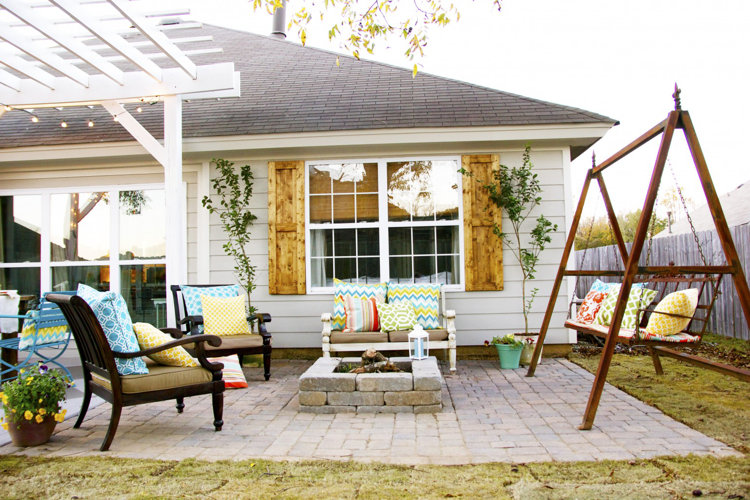
With cooler weather on the horizon, this is the perfect season to start thinking about enhancing your outdoor space. Nothing says cozy and comfortable like a crackling backyard fire pit. Follow this step-by-step guide to building your own DIY fire pit, and check out this example project to see how these homeowners transformed their backyard into a social gathering place.
What You’ll Need: Tools, Materials & Budget
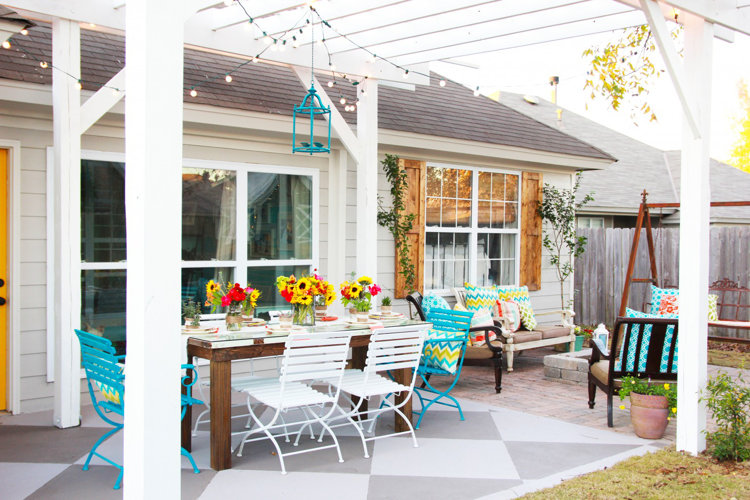
The example fire pit renovation used in this guide features a 10 ft. x 10 ft. patio with a total area of 100 sq. ft. The following material quantities are based on these measurements.
• Crushed gravel: enough for a bed that is 3 in. (or 1/4 foot) deep. 100 sq. ft. x 0.25 ft. = 25 cubic feet of gravel. If you have very soft soil, plan for a deeper gravel base.
• Sand: enough for a bed that is 1 ½ inches deep. 100 sq. ft. x 0.125 ft. = 12.5 cubic feet. Make sure you have a little extra for filling in the cracks.
• Pavers: enough for the square feet of the patio. The amount you need will depend on the size of the pavers. Remember that you will not need pavers for the area covered by your fire pit.
• Tamper
• 2 ft. x 4 ft. x 10 ft. board
• Chisel or saw to cut the pavers
• Stakes to stake your corners
• String
• Brush
Side note about materials: Always add a little extra, just to be safe.
How Much Does a DIY Fire Pit Cost?
The total rough cost of this example fire pit renovation (including rental equipment) was under $1,000. Depending on the size of your space and amount of materials needed to fill it, this cost could be more. Budget DIY fire pits can cost as little as $200, while more luxurious installations can cost upwards of $1,500. It’s important to set a budget for your project before starting.
Step 1: Choose the Size & Location
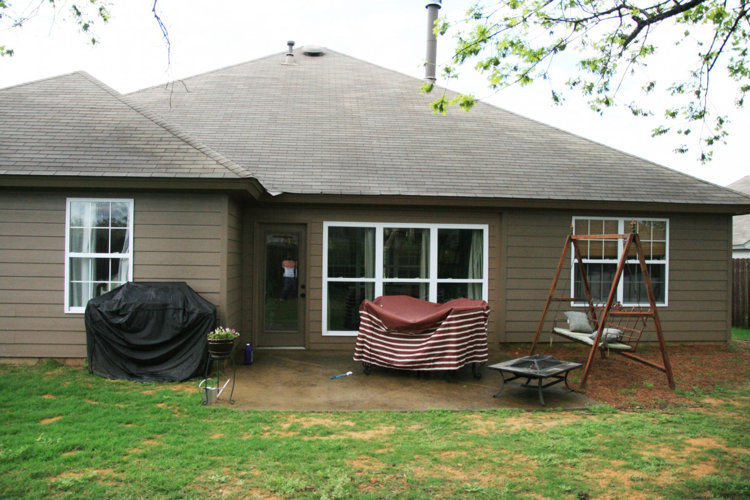
Before you build a fire pit, decide on a location with enough space for seating and safety. Planning ahead of time is key to making the most of the space. So mark out the area to decide how large it will need to be. Find the square footage of the patio. A quick reminder: The formula to determine the square footage of a space is length × width. This example patio is 10 ft. x 10 ft., so the total area of the patio measures 100 sq. ft.
Fire Pit Placement Safety & Local Codes
When choosing the location for your fire pit, factor in city regulations and safety recommendations. Generally, contained fires should be at least 15 ft. – 20 ft. away from buildings, and a minimum of 10 ft. from your property line, but it’s important to check the specific codes of your city, county, or HOA before investing in materials and breaking ground. If you plan to add seating around your fire pit, the patio needs to be large enough to accommodate the seats, with an additional 2 ft. – 3 ft. of space between the fire pit and seating for safety.
Neighborly Tip!
For more information on choosing a fire pit that fits your outdoor space, as well as common fire pit sizes and placement recommendations, read How to Choose the Perfect Fire Pit Size.
Step 2: Mark, Dig & Prep the Base
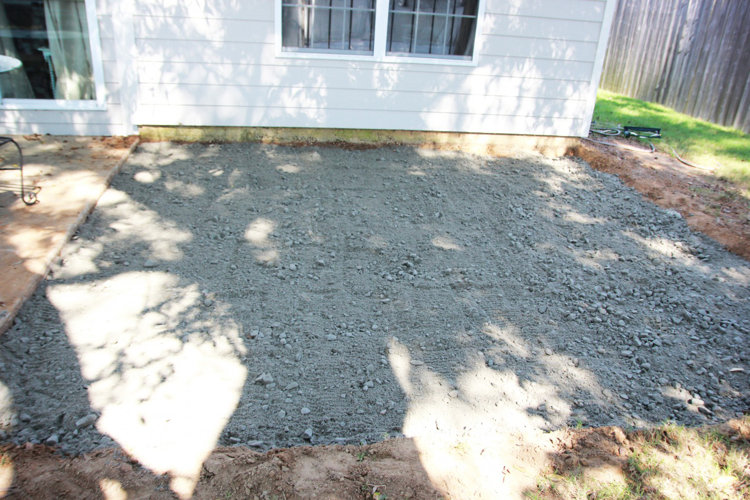
First, place stakes in all four corners of your future patio. Next, run some string from corner to corner to define the edges. Dig out the square formed by this boundary to form a depression that is 4 1/2 in. deep plus the thickness of the pavers. So if the paver is 1 1/2 in. thick, dig out the area to a depth of 6 inches. (3 in. for gravel + 1 1/2 in. for sand + 1 1/2 in. for paver = 6 in.) For a little extra money, you can rent a mini skid steer to save from manually digging – unless you want the workout.
Step 3: Lay Gravel, Sand & Pavers
Once the area is ready, it's time to spread the gravel. Pour and rake it evenly across the patio area. Use your tamper to level the surface. When the gravel is semi-level, spread the sand over the gravel. Rake it out and use the two-by-four to level the surface, starting at one corner and working your way to the far corner. Pour extra sand as needed so the ground will be level once the pavers are added.
To lay the pavers, begin in one corner and work to the far corner. Spread a little extra sand while working to keep a level surface. Step back and check your progress every 10 pavers, using a 4-foot level to ensure the pavers lay flat. Double-check to make sure the ground is level once all the pavers are laid, and sweep a little sand into the cracks with the brush.
For a built-in fire pit, measure out where it will go and place your pavers around it. Chiseling a few pavers to make everything fit may be necessary. To chisel a paver, draw a pencil line and score it with the edge of a chisel. On soft ground, hit the scored line with your chisel and the paver should break evenly. You can also cut the pavers using a saw and a diamond-tipped blade.
If you’re constructing a DIY built-in fire pit, the hole in your pavers will provide the foundation for your fire pit. Stack more pavers, bricks, or stones in an offset pattern to create the sides of the fire pit. The sides of your fire pit should be between 12 in. – 18 in. tall to sit comfortably at patio chair level and safely contain logs and ashes.
If you opt for a freestanding fire pit, ensure your patio pavers are level to provide a flat surface for your fire pit. You can choose between a variety of types of freestanding fire pits and fuel types, including wood-burning, charcoal, propane, or natural gas fires. If you’re installing a gas-fueled fire pit, you’ll need to ensure access to a gas line to fuel the fire.
Neighborly Tip!
Deciding between a DIY built-in fire pit or a freestanding fire pit kit? Read our guide Types of Fire Pits: How to Choose the Right One For You to check out the available options.
Step 5: Add Seating, Lighting & Finishing Touches
Bring comfort and charm to your fire pit area with some outdoor furnishings and decorative touches. Adding some cozy patio furniture, outdoor pillows, and lights makes your fire pit area a one-of-a-kind space for everyone to gather.
Neighborly Tip!
Ready to start creating a relaxing backyard fire pit area? Check out our guide on 15 Cozy Ideas for Fire Pit Seating for design inspiration.
Frequently Asked Questions
What is the cheapest way to build a fire pit?
For a budget-friendly DIY fire pit, use an in-ground fire ring and create a retaining wall around it with pavers or bricks. This method can cost between $200 – $500.
What materials do I need to build a fire pit?
You will need gravel and sand to provide drainage and a level surface for pavers. Use bricks or pavers to build a custom fire pit, or opt for a premade kit for easy assembly.
How far should a fire pit be from a house?
In general, keep a fire pit at least 15 ft. – 25 ft. away from your house and any other structures. Be sure to check your city’s specific codes before building a fire pit.
Can I dig a hole in the ground for a fire pit?
Yes, but it’s important to use a fire ring or 12 in. – 15 in. high retaining wall around the hole for safety reasons.
Jamin and Ashley Mills are the design duo behind The Handmade Home design studio in Nashville. They help clients locally and nationally achieve realistic, attainable homes while living by their mantra of "we don't believe in the dream home, we believe in your home." They've been recognized nationally by numerous TV and media outlets as well as named as two of the most creative people in the country by Country Living Magazine. Check out their designs and creations at thehandmadehome.net.
You Might Also Like
Ready to Shop? Check These Out!
Last updated: July 24, 2026
