How to Choose a Garbage Disposal for Your Sink
Different types of garbage disposals.
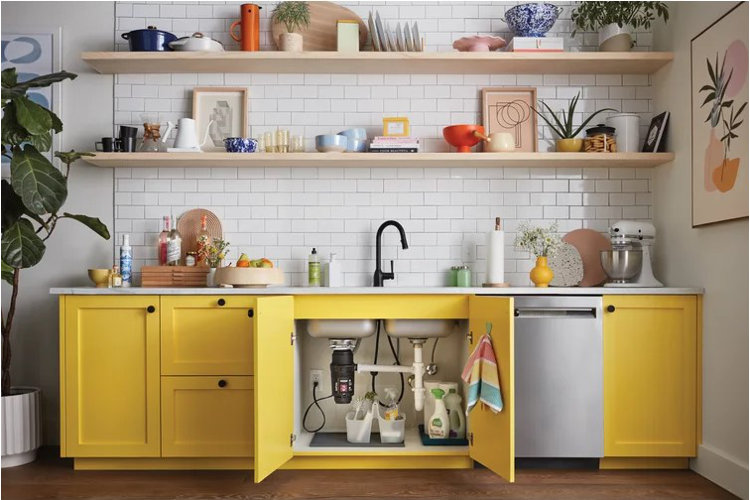
A garbage disposal is basically a second trash can for all the compostable food waste that you don't want sitting around and stinking up your trash can while you wait for the next trash day. Choosing the right one, however, takes a little finesse and understanding to ensure you pick the right model. Read this guide to learn how to choose a garbage disposal for a cleaner kitchen.
Garbage Disposal Options
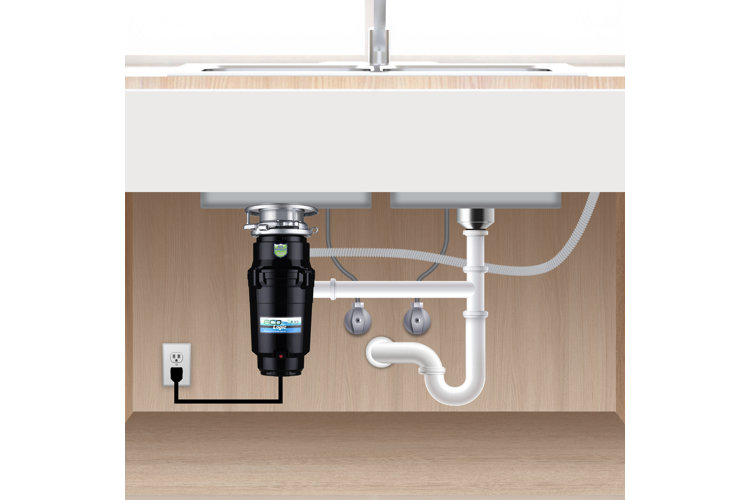
Garbage disposals slice, dice, and grind away food waste to reduce the amount of leftovers in your garbage can and plumbing pipes. They are a great alternative to composting and cut down on landfill refuse, making your life a little easier and cleaner. Before you make a purchase, you should know what the different types of garbage disposals are and which is best for you. We'll show you just how to pick the best garbage disposal option for your kitchen.
Continuous Feed:The most common type of garbage disposal is the continuous feed model, which operates as long as the power is switched on — allowing you to clean up as you go. This also means they often have a smaller storage chamber, making them more compact in size. These types of garbage disposals usually have a wall switch, a sink-top switch activator, or a power outlet that is installed below the countertop and hardwired into your home electrical.
Batch Feed: The less common batch feed garbage disposals have no activation switches and can only be turned on by putting a special magnetic stopper in place. Rather than continuously feeding waste into them, you place batch of food into the garbage disposal hopper, add water, close the stopper, and let it run all in one go. This type of garbage disposal is best for locations where it's not possible to add an electrical switch, as they come with an electrical cord that can be plugged into a nearby outlet.
Air Switch: The newer and safer garbage disposal air switch turns on your garbage disposal with the press of a button by sending a pulse of air through PVC tubing to a control box located under your sink. This type of garbage disposal doesn't require a nearby electrical switch and reduces the chance of accidents by keeping your wet hands away from the electrical power source.
Tip!
Make sure to read all manufacturers specifications before purchasing to ensure the type of garbage disposal you want is compatible with your sink.
Garbage Disposal Horse Power
Garbage disposal horsepower (HP) refers to the power unit that the motor is measured in. The higher the horsepower, the stronger the motor, which means they can handle more food scraps, usually with a finer grind. Although garbage disposals with higher horsepower take up more space, they are more reliable and have an improved performance that makes them suitable for large households.
1/3 HP – 1/2 HP: Garbage disposals with between 1/3 and 1/2 HP are the most economical models and can handle general food scraps. They are suited for households up two people. Due to their lower utility level, these disposals can get jammed more easily and require large amounts of water to run for a more limited usage. Try to choose a garbage disposal with stainless steel grind components as they tend to have a longer lifespan.
3/4 HP: Garbage disposals with 3/4 HP are the ideal size for most kitchens and are suitable for households with up to six people. They offer plenty of power, making them less likely to jam. 3/4 HP garbage disposals can handle more fibrous food waste as well as small bones. These types of garbage disposals function faster and more quietly than 1/3 and 1/2 HP, but also require more room for installation.
1 HP & Higher: Large households with eight or more people would do best with a 1+ HP garbage disposal, as they can tolerate heavier use. These are the largest of the garbage disposal options and typically contain components that provide a finer grind and quieter operation. These garbage disposals can typically handle chicken bones and fruit rinds, and they are quite difficult to jam. If you have the space and budget, they are worth the investment.
Tip!
To allow the ground up food to fully flush down the drain and prevent clogs, it is recommended that you allow the water to run for an additional 30 seconds after the garbage disposal motor has been turned off.
Additional Garbage Disposal Features
Other factors that will influence how you choose a garbage disposal include their additional features. These features can help you decide which is the best pick for your kitchen.
Anti-Jamming:If there is too much food in your garbage disposal and it causes an obstruction that blocks the blades, it will jam. Rather than manually removing the obstruction and pressing the reset button, the anti-jamming feature is able to detect the jam and automatically reverse the blades to loosen the blockage.
Noise-Insulated: When the garbage disposal is in use, the motors working around the stainless steel casing are likely to make a noise. There are models that incorporate design elements such as insulation and sound baffles that help to reduce excessive noise and vibrations. Most high-end garbage disposals come with noise insulation while budget friendly models tend to be louder.
Power Cord Included: Garbage disposals are powered in one of two ways – they can be hardwired into your home's electrical system (it's best if a professional does this), or via a power cord that plugs into an outlet beneath the sink. These types of garbage disposals usually include the power cord, but be sure to check in case it is sold separately.
Septic Tank–Safe: If your home has a septic tank system, you will likely need to purchase the type of garbage disposal that is safe for septic tanks. This is because some septic tanks are unable to handle direct food debris. Septic tank–safe garbage disposals usually have a higher horse power that grinds the food down extremely fine and then sprays enzymes and microorganisms that help to further break down the food waste as it enters the septic system.
Dishwasher Drain Connection:More often than not, dishwashers are installed beneath countertops as they don't have a separate drain line. If you haven't already, it is a good idea to connect your dishwasher drain hose to your garbage disposal. This will allow the dishwasher to pump the discarded water and leftover food into the garbage disposable, which can then be ground down before being sent down the drain.
If you are planning to install your garbage disposal yourself, be sure to read: 'Plumber's Third Hand:' Install a Garbage Disposal in 6 Easy Steps.
Final Considerations
Here are the last considerations to help you decide which garbage disposal to buy. Any additional information you need may be found here: Five Tips for Picking the Right Garbage Disposal.
Grind Stages
Garbage disposals offer one, two, or three grind stages, all able to grind up different levels of food waste.
1-Stage: Most basic garbage disposal options have only one grind stage which grinds the food once before dispersing it into the drain pipes with water.
2-Stage: Garbage disposals with 2-stage grinding cut up the food in two stages to achieve a finer grind. The second stage works to almost liquify the food waste, which makes it able to accommodate more difficult types of food. This also decreases the chance for jams.
3-Stage:More premium models can have up to three grind stages which are able to pulverize almost any food waste including fibrous and hard material like corn cobs and bones. They can often even grind rib bones and cut rice grains into small pieces without the concern for clogs or jams.
Component Materials
There are three types of material commonly used with grind chambers and grind components each with its own pros and cons.
Plastic:Most garbage disposals are constructed with thermoplastic polymer grind chambers, a material that can help to resist rust and corrosion. This lack of corrosion makes them easier to clean.
Stainless Steel:Although it may cost a little more upfront, stainless steel can last a lifetime – often outlasting the garbage disposal motor. The chambers will not rust and the grind components can be cleaned with ice cubes or rock salt.
Galvanized Steel:In spite of the fact that galvanized steel is a durable material, its protective coating can eventually begin to rust or corrode over time.
Equipped with the knowledge on how to choose a garbage disposal, you will be able to choose the right one so you too can have a more sanitary kitchen.
