How to Choose a Perch for Your Bird
Here’s how to give your bird a place to play.
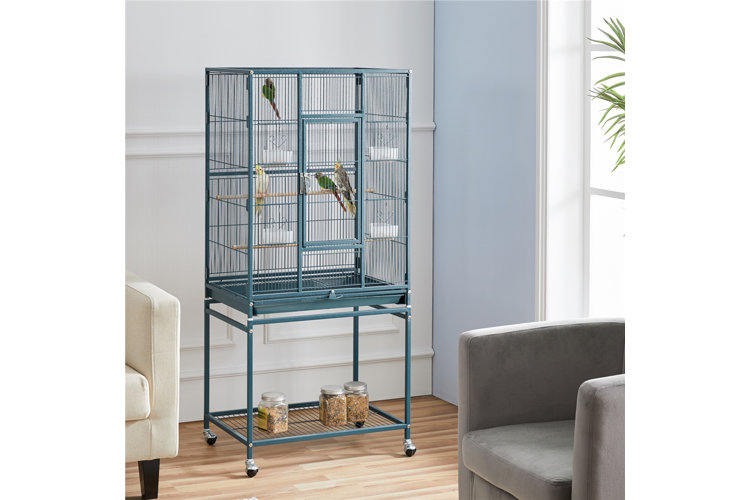
Your pet bird’s desire to play may not be something you think about regularly, but it’s important to provide your bird with their own play center inside of their cage. Placing a play center or bird stand in your cage is better for a bird’s health and mental stimulation, while also providing a sense of security. Since these domesticated animals are not in the wild, it’s crucial to give them an indoor habitat that echoes the outdoors.
Here are the best tips for choosing a bird stand or play center for your bird, and what to look for when choosing the right option.
Different Types of Perches
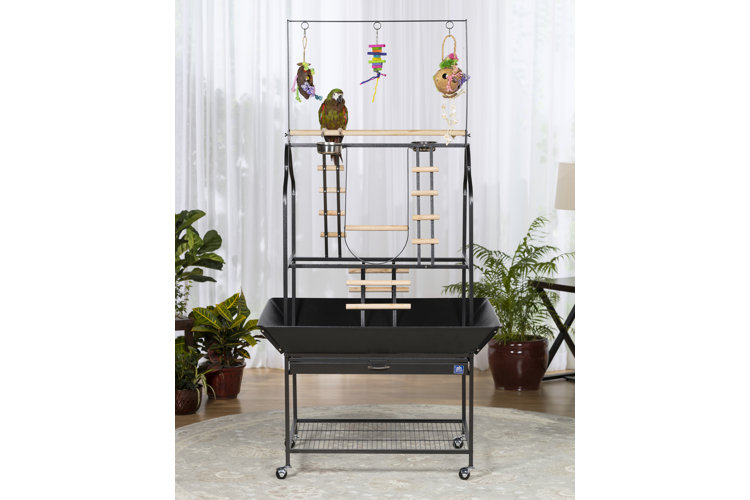
When purchasing a perch or stand, it’s important that the perch mimics natural conditions that the bird would exist in out in the wild. Here are the different types of products to consider to find the right fit for your bird cage.
Perch
A perch provides your bird with a place to sit, climb, scratch their head, or just observe their surroundings. Birds also use perches for exercise and foot grip, like they would a branch outdoors. Placing a perch in a bird cage also provides your birds a comfortable place to sleep.
Play Stand
Keep your bird happy and healthy by placing a play stand in its cage. Birds roost on a perch, but play stands give your birds a play area to go to when they have the urge to leave the roost. Play stands can also be used as a perch that is freestanding or included with the cage. Choose one that your birds can rest on, or choose one with toys attached to give your bird a chance to play.
Play Gym
Play gyms provide a lot of entertainment for birds. These freestanding play centers have ladders and ropes for your bird to walk on, along with other dangling toys they can play with. Play gyms are typically placed on the bottom of your bird’s cage since they have a flat bottom.
When looking at the different products available, it’s important to choose the right size or else it can lead to discomfort for your bird. The general rule of thumb for a perch is to choose one your bird can wrap their feet two-thirds or three-fourths of the way around. Here are a few more tips to keep in mind:
- The perch diameter should be small enough for your bird to grasp without falling off, but the bird’s toes should not overlap.The length of the perch must be as long as your bird’s wingspan. This gives the bird the ability to flap their wings without hitting the sides of the cage.
- Your cage should have multiple perches varying in diameter for good foot health and to prevent soreness.
Perch, Stand, & Play Center Materials
Wood
Wooden bird stands are the best option since they vary in diameter, which helps to disperse the pressure that will be on your bird’s foot. Birds can also chew on this particular material for entertainment as it mimics tree branches, so be sure to choose a non-toxic type of wooden perch.
To clean wooden perches, do not soak them. Scrape off any fecal matter or dirt before wiping off the perch or play center with a damp washcloth.
Metal
Metal is another great material for a bird stand because it’s easy to clean up and it can stand up to your bird’s hard beak’s picking. One thing to keep in mind with a metal perch is that it will rust when introduced to water, so keep an eye on the water bowl and clean up any spills to protect the longevity of your perch.
Rope
Rope provides a lot of benefits, such as providing a comfortable place for birds to walk, relief for birds with arthritic feet, and giving your bird something to chew. A rope perch or play center will need to be monitored closely, since it’ll start to fray after a bird has pecked it for some time. Frayed rope material can entangle your bird’s feet, which is a signal that it's time to replace the material.
Plastic
Plastic perches and play centers are easy to clean (like metal ones), but should be used with caution. These bird stands are sturdy and durable, but they do not provide enough texture for safe gripping for all birds. If you’re looking for the safest grip, choose a wood or rope perch.
Cement or Sand
Cement or sand perches are great for birds to safely wear down their beaks and nails. However, they can be uncomfortable for your bird to grip because of how hard and cold the material can be. If you decide to place a cement or sand perch in your bird’s cage, include other perches or play gyms with other materials as well to ensure that your bird has a comfortable spot.
Where to Place Your Perch
There are three main locations where you can place your bird stand or play center.
1. Inside the Cage: These perches or play centers provide a space for your bird to rest or play inside their cage. This option keeps them confined while still providing activity and sleep areas.
2. On the Floor: If your bird likes to follow you around the house, a floor perch or bird stand gives you and your bird a place to play beyond the walls of the cage. This promotes bonding time between you and your bird and gives them the chance to socialize and exercise.
3. On a Tabletop: Tabletop perches give your bird a place to play while in training for living indoors or when socializing with other birds you may have. They can be placed outside of the cage on a table in your house.
Cleaning & Maintaining Your Perch
Since birds play often on perches and play gyms, these items will have to be replaced about once a month and cleaned weekly. Birds like to chew on perches, which is normal, but selecting perches that are chew- and scratch-resistant can provide you with longer usage. Read the description of each product to note its resistance to choose the most long-lasting product.
Your bird stand should be cleaned every week, but to reduce how often you have to wipe it down in between cleanings, be selective with where you place this item. Avoid placing your perch, stand, or play center above food or water bowls so they do not become contaminated from bird droppings.
When it comes to cleaning your perch or play center, a homemade disinfectant solution will do the trick. You will need three cups of hot water with three tablespoons of baking soda and three tablespoons of lemon juice mixed in. Soak a washcloth in the solution before wiping down the cage and food bowls.
