How to Choose Faux Plants for Your Home
Fake it till you make it.
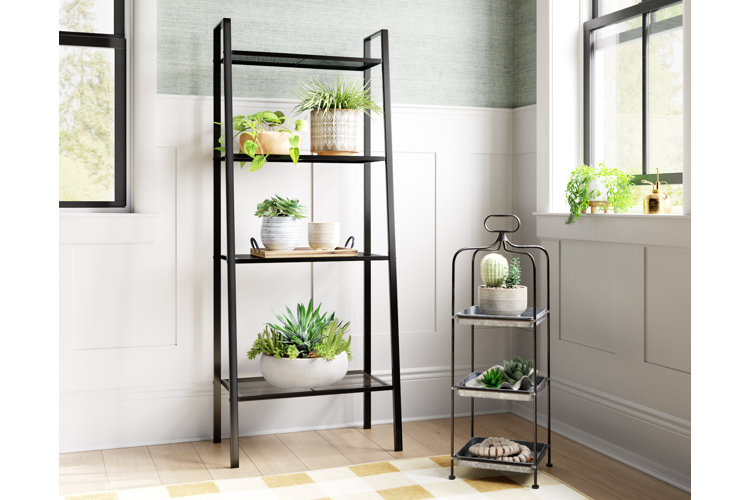
Thanks to trending sustainable styles like organic modern, adding greenery to your interior decor is big right now. Being a plant parent may not be in the cards for all of us, whether it’s a lack of natural lighting or a busy travel schedule. Fortunately, artificial plants allow you to add gorgeous greenery to your home – green thumb or not. If you’re wondering where to start, we’ve got you covered with this guide on how to choose faux plants for your home.
1. Define Your Faux Plant Goals
There are several reasons you may want to add faux plants to your interior design. Knowing what you want to achieve with faux plants can help you determine what size, shape, and type of artificial plant to buy and where to place them in your home. Here are some things you can achieve with artificial plants:
- Create a Focal Point: Houseplants can make for a great focal point in many areas of your home. Whether you have a large potted faux plant in your foyer or a tabletop plant as your dining room centerpiece, some plants are meant to steal the show. Go for big eye-catching plants like a monstera or philodendron.
- Fill in Negative Space: Plants can be useful for filling in empty spaces around your home. Whether it’s an empty corner or negative space on a shelf or counter, bits of greenery are perfect placeholders.
- Add Greenery to Your Space: Faux plants allow you to add nature and greenery to your space without the maintenance of live plants. Enjoy a green interior, even if you don’t have the natural lighting or time needed to care for traditional houseplants.
- Improve Ambience & Vibe: Some styles, such as organic modern and boho, benefit from natural elements like plants. Faux plants allow you to enhance your nature-loving style without having to care for live plants.
Tip!
We’re here to inspire you with these 12 Easy Tips for Decorating With Fake Plants.
2. Choose the Right Size
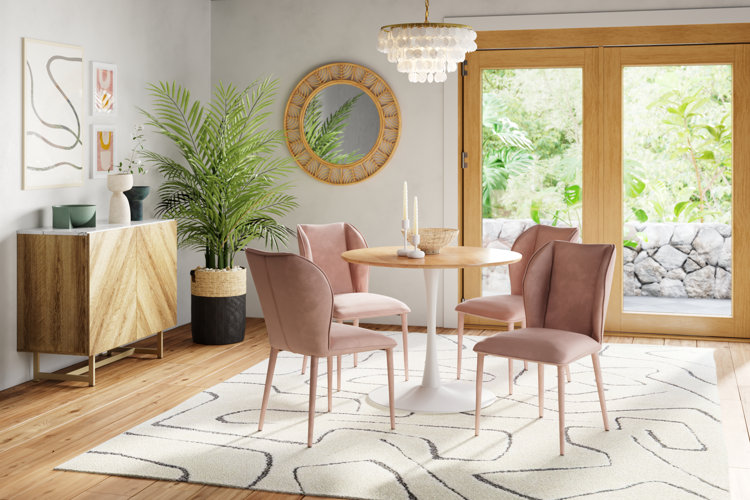
Besides your preference, the size of your faux plant should be determined by where you plan to put it. Stick to these guidelines to choose the right-sized plant for your intended placement.
- Tabletop Plants: Tabletop plants are typically under 2 1/2 feet tall. They make great additions to your dining table, plant stands, desktops, and even smaller faux plants are perfect for dotting your shelves and bookcases.
- Floor Plants: Larger plants that range anywhere from 4 feet to- 6 feet and above are best kept on the floor. These are great for placing on either side of your front door (inside or out) or to fill empty corners without having to rely on a plant stand for height. These large plants are attention grabbers that are sure to get lots of compliments from guests.
- Hanging Plants: When it comes to hanging plants, the lighter the better. The great thing about faux plants is that they don’t require soil, which can add significant weight to a pot. Most hanging plants should be kept under 15 lbs. to avoid putting stress on the hook or rod it is hanging from. Trailing varieties look great displayed as hanging plants.
- Wall Plants: Wall plants are kept on the smaller side since they have to be installed on your wall. Most wall plant varieties are kept in planters around 4–6 inches wide to avoid putting too much stress on the hardware that fixes them to the wall.
Faux plants have come a long way over the years, and some materials make for very realistic-looking plants. The materials you choose can affect the look, feel, and cost of your plants – here’s what you need to know.
- Silk: This is one of the best materials for faux plants that look real, especially for florals. Silk is also a great material for some more delicate leafy plants and ornamental grasses. This material is soft to the touch and gives a realistic feel.
- Polysilk: This is a synthetic material that is designed to mimic the look and feel of silk. This more affordable version creates beautiful, realistic-looking blooms and foliage with a soft feel.
- Polyester: Though they are more affordable than silk and polysilk, polyester faux plants may be more noticeably artificial. If you plan to keep these plants on shelves or on hangers where they won’t be closely inspected, this is a great cost-effective option.
- Plastic: Some plastic faux plants can be very convincing, especially for plant species that have a shine to their thick foliage like monstera. This thicker material is also great at mimicking the texture of cacti, aloe, and succulents. A lot of faux plants that use silk or polysilk will also use plastic for stems or parts of the plant that require more stability.
Tips!
Check out our picks for The Best Faux Plants for Fabulous Foliage.
4. Pick a Plant Species for Your Style
While plants don’t necessarily have a specific style, different plant species can help you achieve a certain aesthetic. Pot materials and colors can also play into your interior style and should be considered.
- Modern: Stick to sleek foliage, unique shapes, and delicate blooms for artificial plants for modern interiors. More neutral shades of green, colors like the muted green leaves of an olive tree or striking dark greens of a banana leaf plant, can easily be worked into a modern-style home. The unique style and curves of a bonsai can add visual interest to minimalist modern homes as well.
- Rustic: For rustic aesthetics like farmhouse- and cottage-style interiors, floral faux plants like lavender make for a sweet splash of color. Herbs placed in the kitchen or dining room give these interiors a countryside vibe that enhances their rustic style.
- Traditional: Faux floral arrangements are perfect for traditional-style homes. For foliage, stick to houseplant classics like fiddle leaf fig plants or ficus, which can easily be incorporated into traditional-style interior design.
- Boho: When it comes to a nature-loving aesthetic like boho, you can’t go wrong with any type of plant. However, trailing hanging plants like ivy and the different shapes of spiky cacti are perfect for boho-style homes.
Tip!
Want help choosing a plant species to fit your style? Take our Houseplant Quiz: Which Houseplants Are the Right Match for Your Style?
5. Keep Your Artificial Plants Looking Nice
That’s right, even faux plants require some maintenance. Letting your fake plants get dusty or faded in the sun will be a sure giveaway that they aren’t the real deal. Here are some tips on keeping your faux plants looking brand new!
How to Clean Your Faux Plants
- Dust Regularly: Dust your artificial plants regularly (once every 1–2 weeks) with a dry microfiber cloth or soft brush to avoid buildup of dust and dirt. If you forget to dust and end up with a more stubborn buildup you can use the cool setting on a hair dryer to blow the dust off.
- Deep Cleaning Fabric Plants: If your artificial plants need a deeper clean, you can use water and a gentle cleaner to remove the stain. If you have a fabric plant, you can use a damp cloth with some gentle dish soap on the soiled part of the plant. Then rinse thoroughly under cold running water before gently patting dry. If your plant comes with cleaning instructions specific to its material, be sure to follow them to avoid damaging the plant.
- Deep Cleaning Plastic Plants: For plastic plants, you can use a mixture of water and vinegar or soap to clean the leaves and stems, and allow them to air dry.
How to Avoid Fading From Sun Exposure
The easiest way to avoid fading from sun exposure is to place your artificial plants away from windows or out of direct sunlight – after all, they don’t need sun to thrive. If you want to keep them by a window for a realistic effect, you can spray the plant with a UV-resistant spray. Make sure to rotate artificial plants that are in direct sunlight regularly to avoid fading.
How to Refresh Your Artificial Plants
Your artificial plants may not grow or bloom, but you can still give them a glow-up by switching out their planter. Your faux plant may be glued into the pot it came in, but it can usually be removed easily by breaking up the adhesive with a small chisel. You can transplant your faux plant to any decorative or seasonal planter you like. If the faux plant base is too small for the planter you choose, you can fill in the area around it with some gravel or soil for a realistic look.
