How to Choose the Right Outdoor Planter: Garden Planter Guide
Find the best outdoor planters to get your garden ready.
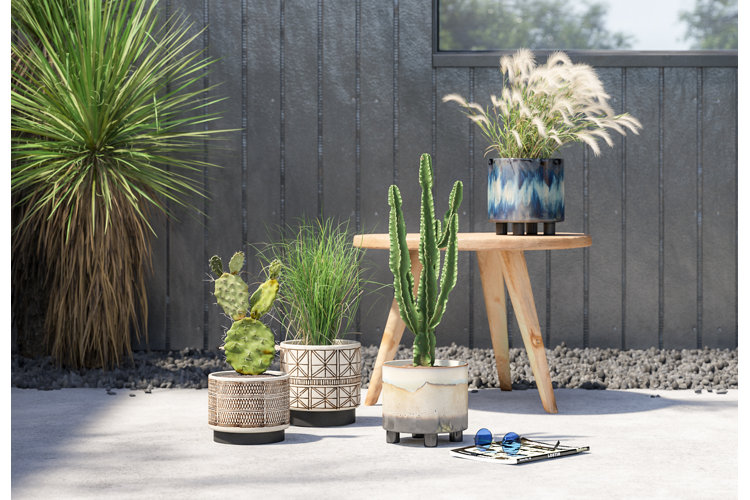
Whether you want to elevate a patio seating area or brighten up the front porch, adding planters is a great way to accentuate an outdoor space. The right outdoor planter will complement your style and help your favorite plants thrive. From planter types to planter materials to planter drainage, our garden planter guide includes everything you need to know to pick the best outdoor planters for your home.
Types of Outdoor Planters
Discover the different types of planters that are sure to upgrade your outdoor space.
Pot: As the most common type of indoor or outdoor planter, pot planters have a bowl- or U-shaped silhouette. The classic design is easily customized with an array of different colours and patterns.
Box: These clean-lined planters are square or rectangular and come in a variety sizes to suit your outdoor space – from spacious porches to compact patios.
Raised Garden: Raised garden planters are raised rectangular planters that keep the garden bed separate from the ground below. They can feature multi-level or segmented sections to organize plants by type. Raised garden planters are a great choice for apartments, compact outdoor spaces, or homes with limited yard space.
Hanging: Hanging planters have a basket-like base that is hung using wall or ceiling hooks. These hanging planters are a great option for adding greenery to porches or roof overhangs.
Vertical Garden: This type features two or more tiers of planters that are attached to a vertical structure. With both freestanding and leaning designs, it's easy to choose one that suits your outdoor space. Vertical gardens are an excellent choice for making the most of small outdoor spaces or maximizing your garden's growth.
Window Box: These rectangular box planters are designed to rest on or outside the window sill. Window box planters come with hanging hooks or supportive arms to ensure the planter is installed securely.
Rail: If you don't have much outdoor space or simply want to dress up a railing, these planters attach on top of the railing. These planters come equipped with hanging hooks or a gap in the base that straddles the rail.
Wheelbarrow: These garden ornaments are made to hold several plants. Some wheelbarrows can be filled with soil and the plants placed directly inside, while other wheelbarrows need separate planters in addition to the decorative wheelbarrow.
Barrel: As the name suggests, barrel planters are designed to look like barrels. Similar to wheelbarrow planters, barrel planters can be either filled with soil or used to hold a smaller planter inside.
Urn: If you're looking for an elegant addition to your home, these planters have an ornate design that resembles an urn or goblet. Though plants can be directly planted into urn planters, many require a separate planter placed inside to house the plant.
Tip!
Read The Ultimate Guide to Planter Sizes to find helpful tips for choosing the best planter sizes.
Planter Materials
Plant pot material is another important element when picking the right type of planter. The material can affect both the overall appearance of the planter and the health of the plants. Because of porosity and insulation, some planter materials may be better suited for your outdoor gardening needs than others. We've highlighted eight popular planter materials below.
Plastic: Plastic is one the most common materials for outdoor planters. Plastic planters are lightweight, durable, and come in a wide variety of colors to brighten up your outdoor space. Plastic planters are more prone to cracking in extreme weather conditions, so we recommend keeping them out of hot and freezing temperatures. Because plastic isn't porous, these planters have excellent water retention and are best suited for plants that require plenty of water.
Wood: With a warm, natural element, wood is a classic material for outdoor planters. Durable woods, such as cedar or teak, have great weather resistance and provide enough insulation for plant roots in cold weather climates. Though the wood is sealed with a protective finish to prevent any rot or fungi, you should check for weather or water damage once a year.
Metal: Metal planters are commonly made of copper, zinc, aluminum, or steel. These planters aren't prone to chipping or cracking when exposed to the elements, which makes it a durable and long-lasting option. Metal planters are more likely to overheat or freeze than other planter materials, so it's best to keep them out of direct sunlight and indoors during colder months.
Resin: Similar to plastic, resin planters are lightweight enough to move easily and strong enough that they can withstand the weather. They are often designed to look like other materials, such as wood or wicker, at a more affordable price range and requiring less maintenance.
Clay & Terracotta: These planters are affordable and bring a beautiful earthy feel to your outdoor space. The porous surface provides ample air flow and promotes healthy drainage. This makes clay and terracotta planters a great choice for plants that prefer drier soil, such as succulents or cacti.
Ceramic: Ceramic planters are made of clay and glazed on both the inside and outside for a watertight quality. Ceramic planters add a stylish touch to any outdoor space, and the glazed finish keeps the soil from drying out. They can also be prone to cracking when left outside in cold weather, so make sure to move them inside in the winter. Since they are more fragile than other types of planter materials, we recommend placing these planters out of high-traffic areas where they could get bumped.
Concrete: Concrete planters are strong and heavy, making them an investment that lasts for a long time. Because the wet concrete is poured into a range of different molds, these planters come in plenty of shapes and sizes to choose from. Concrete planters also provide insulation for plants in both cold and warm weather. Concrete often contains lime, which can leach into the potting soil and make the soil pH more alkaline. Therefore concrete pots are great for plants like succulents, which thrive in alkaline soil, but they might not be the right fit for other types of plants.
Fiberglass: Fiberglass planters provide excellent protection for plants. The material is incredibly durable, offers UV protection, and has a nonporous surface that can withstand both extremely hot and cold climates.
Planter Drainage
Most outdoor planters have a small hole at the bottom so that water can drain properly. There are a few reasons why plant pot drainage is important. Drainage holes let the soil drain excess water and prevent the roots from sitting in the water or developing rot. These drainage holes also promote healthy air flow throughout the soil and allow the water to flush any salts leftover from the fertilizer. Make sure to place the planters in a spot where the water can drain freely or on top of a protective mat to avoid staining the deck, patio, or any outdoor furniture.
