How to Choose Wall Art
Wall art? Nailed it.
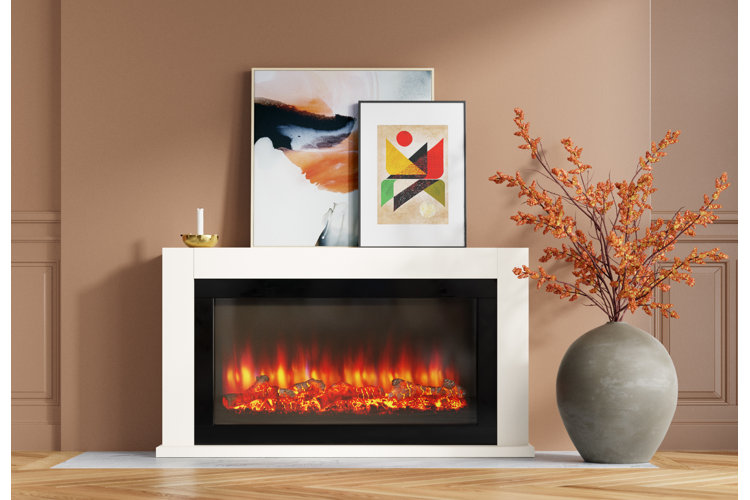
Wall art can instantly elevate your home so it feels complete and well-decorated. But with so many options, it can be difficult to find the perfect artwork. Keep reading for important considerations to guide you through how to choose wall art.
1. Choose a Style
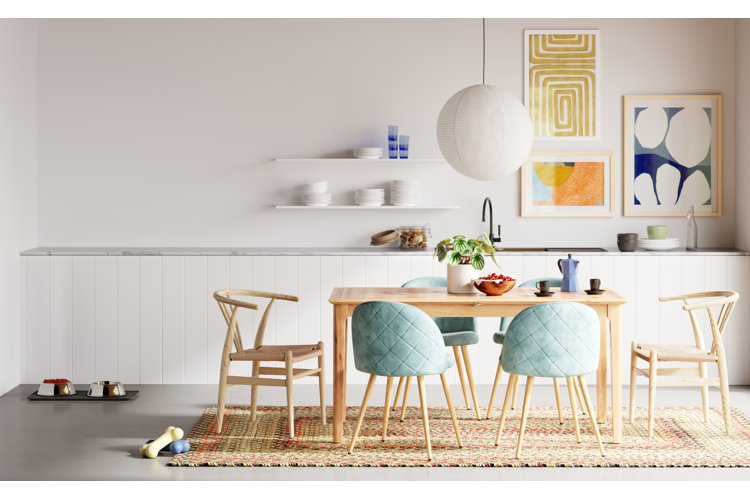
(Shop this image: yellow wall art, velvet dining chairs, paper pendant lights, blue drinkware, and jute area rugs)
When choosing wall art, you want it to feel cohesive with the style of your home but also speak to your personality. With so many options to choose from, here are some timeless styles to look for:
Modern: Modern wall art is typically defined by abstract shapes and a neutral palette with pops of color.
Mid-Century Modern: Mid-century modern artwork often features lots of abstract shapes, retro patterns, and bold primary colors.
Traditional: Traditional-style art can range from watercolor landscapes to botanical prints grounded in muted earth tones and realism.
Farmhouse: With farmhouse wall art, you’ll find pieces with a rustic finish and neutral color palette featuring country scenes and farmlife.
Coastal: Coastal artwork typically comes in blue and light green colors depicting coastal landscapes and sea-inspired motifs.
Boho: Boho wall art offers a playful splash of color with organic shapes, nature-inspired scenes, and textural pieces.
(Shop this image: blue throw pillows, green throw pillows, abstract wall art, yellow area rugs, and beige sectionals)
You can use wall art in any room in your home to serve as a pop of color or complement your existing color scheme. Consider the colors of your walls and choose a contrasting color for your artwork to make it stand out. Brightly colored wall art always makes a statement, while muted tones will complement a more sophisticated, traditional style. Draw inspiration from accent colors in the room like throw pillows, area rugs, and decor to help you choose artwork that will tie together the space.
(Shop this image: abstract wall art, yellow throw pillows, cocktail ottomans, modular sectionals, and arched floor lamps)
Ideally, your wall art should take up two-thirds to three-quarters of your empty wall space, depending on where you hope to place it. With this in mind, consider some of the most common wall art sizes:
Mini: 10" – 17"
Small: 18" – 24"
Medium: 25" – 32"
Large: 33" – 40"
Oversized: 41" or larger
Tip!
Check out our Wall Art Size & Placement Guide for a detailed walkthrough of choosing the right size wall art for your space.
4. Compare Materials & Construction
(Shop this image: coastal wall art, faux boxwood topiaries, pink vases, and blue decorative bowls)
The materials and design of the wall art you choose can impact its aesthetic impact in your home. Here are some options to consider:
Frame Type
Framed: Framed artwork is typically sealed in a wood or metal frame that often includes a glass cover. Solid frames add visual weight to your artwork and give it a traditional, polished look.
Floater-Frame: Floating frame artwork is a canvas piece surrounded by a frame, with a small gap between the frame and canvas to give it the “floating” effect. This type of artwork is great for modern or minimalist spaces and gives a finished look without the visual weight of a frame.
Wrapped Canvas: Wrapped canvas pieces do not have a frame, allowing the artwork to continue around the edges of the canvas. These pieces have a more laid-back, unfinished look perfect for casual or eclectic spaces.
Frameless Prints: If you have your own picture frame that you'd like to use, fill it with a print. Or hang a frameless print in a gallery wall of posters for a casual feel.
Art Material
Canvas: Canvas art has a traditional, textured look that is often displayed without a frame or protective glass.
Paper: As an art medium, paper allows for vivid colors and sharp lines. Paper wall art is easy to switch from frame to frame.
Fabric: Fabric wall art gives added texture to your space and often has embroidered details.
Wood: The natural grain of wood wall art adds a rustic and organic feel to your space.
Metal: Metal wall art creates a unique statement that works particularly well in modern or industrial spaces.
Glass: Glass wall art has a luminous effect that offers an elegant look to your wall decor.
