How to Cool Down a Room
Keep your cool this summer.
Depending on where you live, the summer heat can be overwhelming. Luckily there are many options to cool down a room, such as using ceiling fans for air circulation, air conditioners for temperature control, evaporative coolers for dry climates, or portable fans for affordable spot cooling. The best method depends on your room size, climate, and budget. Let’s dive into how to cool down a room – no matter how you decide to do it, we have options to fit your needs.
Effective Cooling Methods at a Glance
- Ceiling Fans: Circulate air and create a cooling draft; ideal for large rooms
- Air Conditioners: Regulate temperature and humidity; best for consistent, powerful cooling
- Evaporative Coolers: Use water evaporation to cool; energy-efficient and best for dry climates
- Portable Fans: Affordable and easy to move; great for immediate, localized cooling
- Window Fans: Draw in cool air or expel hot air; budget-friendly ventilation option
- Cross-Breeze Ventilation: Open windows on opposite sides of a room to create natural airflow
- Ice Bowl Hack: Place a bowl of ice in front of a fan for an instant cooling boost
In this guide:
Ceiling Fans
Air Conditioners
Evaporative Coolers
Portable Fans
Frequently Asked Questions
1. Ceiling Fans
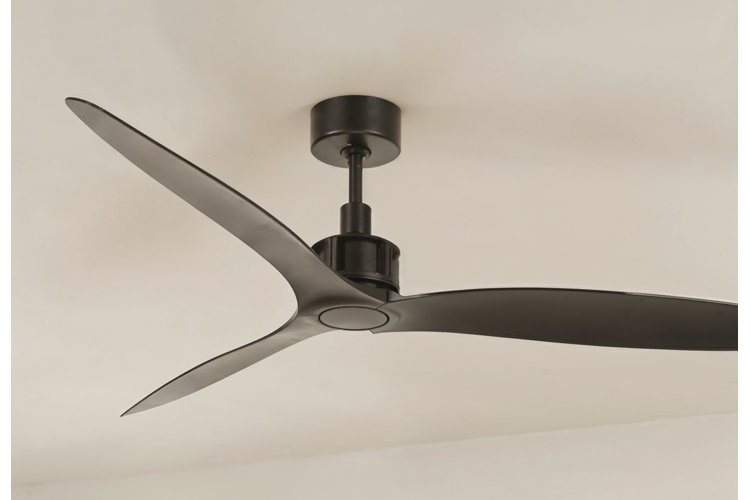
Ceiling fans cool large areas by circulating air and creating a draft throughout the space. Ceiling fans are available for both indoor and outdoor spaces, such as covered porches. We recommend having a professional install your ceiling fan, but if you choose to do it yourself, ensure that it isn't too close to the ceiling to prevent air from getting trapped. The distance from the floor to the blade should be 8 feet. This measurement will determine whether you should use a downrod or a flush mount.
Tip!
If you want to install your ceiling fan on your own, check out our guide on How to Install a Ceiling Fan. Make sure to follow all safety guidelines for installation and placement of air conditioners and fans.
2. Air Conditioners
Air conditioners are one of the most effective ways to cool down a room in the summer. Air conditioning is the process of regulating an interior climate by removing heat and controlling the humidity in the air. An A/C can be left on all night to keep you cool while you sleep and can reduce allergens and bugs in your space by creating a cool, dry environment.
Air Conditioner Types
- Portable Air Conditioners: Portable A/Cs are freestanding, self-contained cooling systems that sit directly on the floor and plug into a standard wall outlet. They are highly mobile and come with quick-setup window venting kits, making them an ideal, non-permanent option for apartment renters. While traditional portable A/C units collect condensation in a water tray that you must empty occasionally, many modern designs are self-evaporating (no-drip units) that exhaust moisture automatically.
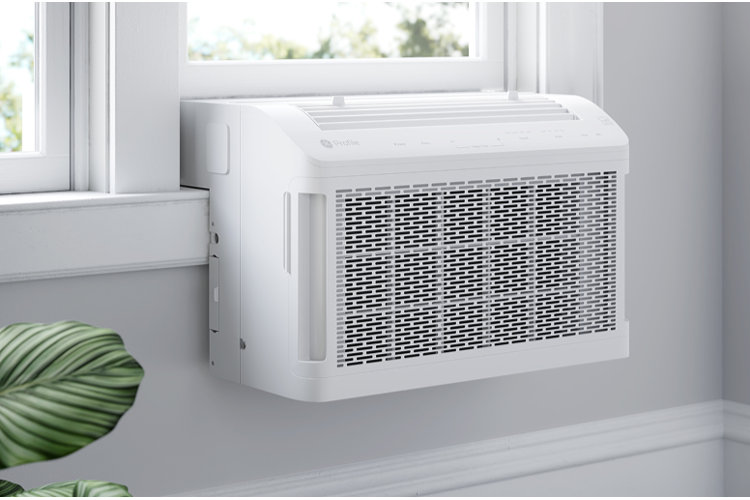
- Window Air Conditioners: A window A/C is a ductless cooling unit designed specifically to sit inside traditional, double-hung windows. It pulls warm air from inside your room, passes it over an internal evaporator coil to chill it, and uses an integrated heat pump to vent the captured hot air directly outdoors. Window units are an incredibly affordable, budget-friendly cooling option that can easily be uninstalled and moved from room to room as seasons change.
- Ductless Air Conditioners: For a permanent, quiet, and highly efficient solution, ductless mini-split A/Cs are the gold standard. These systems feature an inconspicuous indoor wall unit connected to a large outdoor compressor through a small hole in the wall for the refrigerant line. Because a single compressor can support multiple indoor units, mini-splits allow you to customize temperature zones in individual rooms – perfect for cooling down open-concept spaces. This style A/C system typically requires professional installation.
- Through-the-Wall Air Conditioners: Through-the-wall A/C units function similarly to window air conditioners but are installed permanently into a chassis or "wall sleeve" sliced directly through an exterior wall. This long-lasting, heavy-duty solution is perfect for new constructions, home retrofits, or rooms where you want to keep your window space completely unobstructed. Once the wall sleeve is securely in place, the cooling unit is easy to slide out for seasonal maintenance or replacement.
Evaporative coolers are an energy-efficient option that can be plugged directly into a wall socket, using up to 75% less electricity than standard A/Cs. The evaporative cooling system uses moist pads, which are good air filters, as part of the cooling system. Evaporative coolers add moisture to the house and require no ductwork to function. They are best used in drier climates, as they add humidity to the air. An evaporative cooler doesn't use refrigerants, making it environmentally friendly. Unlike regular A/C, you should use your evaporative cooler with the window open to allow the dry and warm air to be drawn in for quicker evaporation.
Portable fans are the simplest and most affordable option when you need to cool down a room quickly. Unlike air conditioners, portable fans do not require venting, and many simply require an electrical outlet to start cooling your space. Although portable fans are more energy efficient and cost-effective than an A/C, they are only able to circulate the air in the immediate area.
- Standing Fans: Also known as pedestal fans, these versatile fixtures are mounted on an adjustable vertical pole. They utilize a powerful, oscillating head to distribute crisp, targeted airflow across wide living areas or bedrooms.
- Bladeless Fans: Utilizing a sleek, streamlined design, these fans multiply air through an open, blade-free ring. They are incredibly easy to clean, quiet to operate, and provide a perfectly smooth stream of air without the safety hazards of exposed blades
- Window-Fit Fans: These compact, rectangular models slide directly into an open window sash to pull fresh, cool outdoor air into your space. Many feature reversible dual motors, allowing you to switch their direction to exhaust warm indoor air outside.
- Box Fans: A cost-effective classic for single-room cooling, these boxy floor fans feature a large square frame and simple manual controls. Their slim, lightweight profile makes them easy to slide against a wall or tuck neatly into a closet during the winter.
- Tower Fans: These tall, slender appliances distribute airflow through a narrow vertical vent that fits effortlessly into tight corners or small bedrooms. They operate quietly, rotate to cool down entire rooms, and feature sleek control panels to blend into any interior design.
Neighborly Tip!
Check out our guide on for help choosing the right one for your space.
Frequently Asked Questions
What are the benefits of using ceiling fans?
Ceiling fans increase a room's air circulation and create a cooling effect by evaporating sweat.
How does a window air conditioner work?
A window AC cools air by blowing it over an evaporator, venting the heat outdoors.
When should you use an evaporative cooler?
Evaporative coolers are best in dry climates as they add humidity to the air.
