How to Decorate an Open Floor Plan: Layout Tips & Mistakes to Avoid
Your guide to a stylish space.
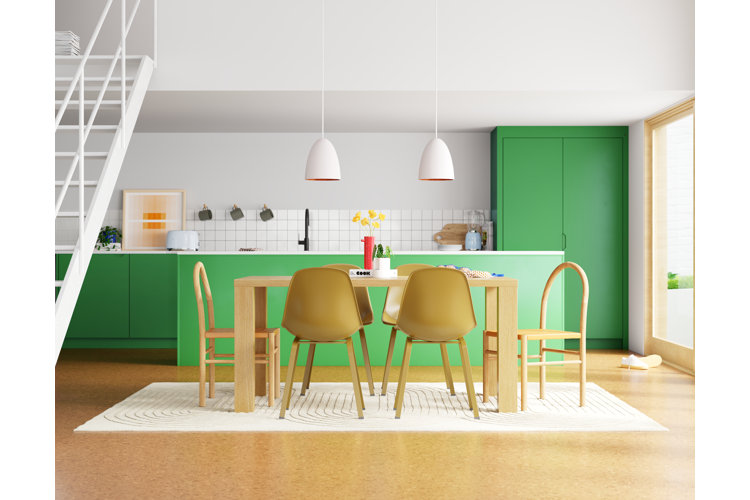
Decorating an open floor plan can feel daunting – there’s a lot of undefined space to account for. Luckily, there are ways to make your open space feel cohesive, functional, and stylish. Read on for easy steps on how to decorate an open floor plan, plus our favorite tips and tricks to make open spaces feel like home.
How to Decorate an Open Floor Plan: Start With These Steps

Follow these steps to design the perfect open floor plan.
1. Define Zones Without Walls
Defining distinct areas in your open floor plan creates a sense of order and cohesion in your home. In standard home designs, walls take care of the work of defining zones – each room has a function and style. With an open floor plan we have to define zones using other tools. Here are some ways to define zones without walls:
- Area Rugs: Placing area rugs in certain areas of your open floor plan is a great way to define your separate spaces. You can place a large rug in the center of your living room area and arrange your seating around it. This clearly centers and defines this area without requiring any walls. Other ways to use this trick are placing a hallway runner in your entryway or foyer area, a small area rug in your kitchen, or a large one beneath your dining room set.
- Furniture Placement: Furniture placement not only separates zones but also helps to define their purpose. A console table and hall tree by the front door designate this space as an entryway where you can store coats, shoes, and keys. Using a large sectional sofa is a great way to create separation between your living room and the rest of your home. Centering a dining set in a corner of your layout and lining the wall with a buffet table and china cabinet sets up a suitable dining room.
- Strategic Lighting: Each zone of your open layout should have a designated light source. This allows you to use light in only one part of your home at a time, which creates the illusion of separate rooms. You can use ceiling, wall, and standalone light fixtures to add lighting to each area.
- Room Dividers & Shelving: If there’s a part of your layout where you want more separation or privacy – perhaps a secluded reading nook – room dividers and even large bookcases will do the trick. Place a room divider in between zones to block off an area from view, choosing a style that fits your space. You can also place a large bookcase filled with books and decor in between spaces to serve as a makeshift wall.
Tip!
Keep visual flow in mind when creating separate zones. If you use a lot of large furniture or room dividers to separate each section of your open layout home, it can cause visual clutter instead of a peaceful flow. Your open layout should remain easy to move around in.
2. Choose a Cohesive Color Palette
- Stick to 3–5 Complementary Colors: When choosing a color palette for an open layout, choose two or three neutral base colors and two to three complementary accent colors to layer in your space.
- Use Accent Colors to Define Spaces: Using your neutral colors throughout the entire layout will help create cohesive flow, while using splashes of your accent colors in zones like with a large area rug, primary piece of furniture, or accent wall help define separate areas.
- Incorporate Colors in Smaller Accents: You’ll also want to primarily stick to your color palette when choosing smaller accents, such as decorative objects, wall art, and throw pillows.
3. Anchor Spaces With Furniture & Rugs
Rely on larger pieces of furniture and rugs to help define separate spaces within your open layout. Instead of pushing a rug and living room furniture into a corner, pull it away from the wall and use the backs of the furniture to create a separate living room space. Remember to include enough space in between furniture for clear walking paths and try to stick to one rug per zone to keep your spaces well defined.
4. Layer Lighting in Each Zone
Each zone should have its own functional and stylish lighting. For a kitchen in an open layout, start with a kitchen island light fixture and layer in under-cabinet lighting for ample light while cooking. A living room area should have a dimmable overhead light source, a task lamp, and one or two table lamps to provide customizable lighting for reading or sitting back and enjoying a TV series.
5. Connect Zones With Themed Decor
With an open layout, it’s best to stick to one interior design style and a consistent theme. If you want more flexibility, choose a versatile style with mixed elements, such as modern vintage or organic modern. Repeat materials such as similar wood finishes, matching metal hardware, and similar fabrics throughout the open layout for a consistent look. Try to stick to a single style for most of your decor and furniture.
Though decorating an open floor plan doesn’t have to be complicated, there are a few common mistakes you’ll want to avoid.
- Not Creating Separate Zones: An open layout without well-defined zones, such as areas used as an entryway, living room, kitchen, and dining room can lead to a cluttered and confusing look.
- Furniture Placement: Placing the majority of your furniture up against walls in an open layout can leave the center of your space feeling empty and unused. Instead, treat each area as its own “room” and center your furniture around an anchor piece such as a rug, coffee table, or dining set.
- Inconsistent Styles: Switching up styles in an open layout can create visual clashing. It’s okay to blend different elements of styles throughout the space, such as incorporating vintage-style furniture and decor in your modern interior design. However, you’ll want to avoid creating zones with completely different styles, such as a traditional living room and modern dining room, as this can cause your layout to look disjointed.
- Insufficient Lighting: If you’re relying simply on overhead lighting throughout your open layout floor plan, you may end up with a lot of shadowy areas that aren’t well lit. This is why layering lighting in each zone is so important and allows each space to function separately.
Frequently Asked Questions
How do you separate spaces in an open floor plan?
Use area rugs, furniture placement, lighting, and room dividers to create clear zones without walls.
What colors work best in an open floor plan?
Stick to three to five complementary colors with neutral bases and a few accent tones for cohesion and definition.
How do you arrange furniture in an open concept living room?
Anchor furniture around rugs or focal points and use pieces like sofas to define separate areas.
Should everything match in an open floor plan?
No, but it should feel cohesive – use a consistent style and repeat colors and materials throughout.
