How to Design the Perfect Kitchen Lighting Plan
Illuminate with confidence.
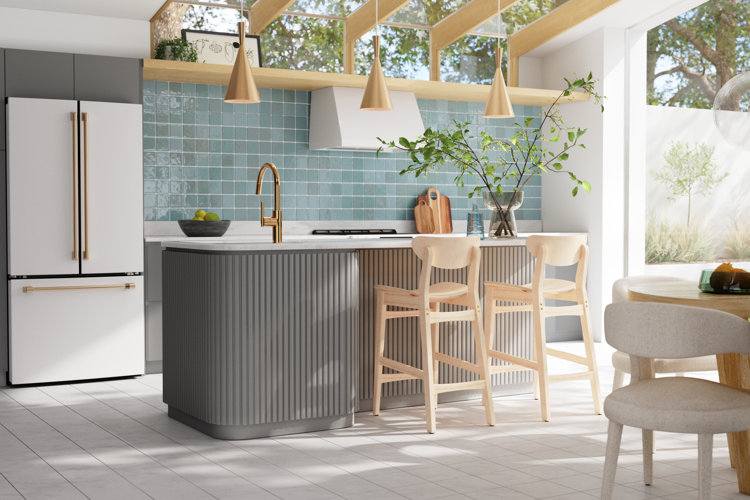
Creating a kitchen lighting plan is one of the most effective ways to improve both the look and functionality of your space. Instead of relying on a single overhead fixture, a well-designed lighting plan layers different types of lighting to ensure every area of your kitchen is bright, comfortable, and practical. Whether you're preparing meals, entertaining guests, or enjoying a quiet morning coffee, the right lighting helps your kitchen adapt to every activity.
Read on to learn the key elements of a kitchen lighting plan, the different types of lighting to include, and tips for choosing fixtures that suit your space.
What Is a Kitchen Lighting Plan?
A kitchen lighting plan is a strategy for placing multiple light sources throughout your kitchen to meet different needs. Rather than depending on one ceiling light, a lighting plan combines several fixture types to create balanced illumination.
Most kitchen lighting plans include three layers:
Ambient lighting: Provides overall illumination for the room.
Task lighting: Brightens work areas where you prepare food or cook.
Accent lighting: Highlights architectural details, decor, or display pieces.
Layering these light sources creates a kitchen that feels brighter, more inviting, and easier to use throughout the day.
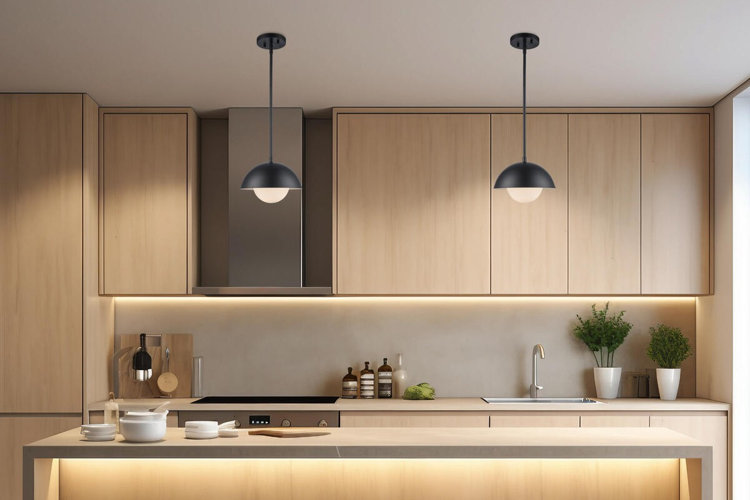
Ambient lighting forms the foundation of your lighting plan. Its purpose is to provide consistent, comfortable illumination throughout the entire kitchen.
Popular ambient lighting options include:
- Flush mount ceiling lights
- Semi-flush mount fixtures
- Recessed lighting
- Large kitchen chandeliers for dining areas
- Pendant lights in open-concept kitchens (when used alongside other lighting)
Choose fixtures that distribute light evenly while complementing your kitchen's overall style.
Task lighting focuses bright, direct light on areas where visibility matters most.
Common locations for task lighting include:
- Countertops
- Kitchen islands
- Sinks
- Ranges and cooktops
- Pantry workspaces
Under-cabinet lighting is one of the most popular task lighting solutions because it eliminates shadows created by upper cabinets. Pendant lights centered over a kitchen island can also provide focused illumination for meal prep while doubling as a decorative feature.
Accent lighting adds depth and visual interest by drawing attention to design features within your kitchen.
Consider accent lighting for:
- Glass-front cabinets
- Open shelving
- Decorative tile backsplashes
- Artwork
- Display dishes or collectibles
While accent lighting isn't essential for functionality, it helps create a layered, polished look that makes your kitchen feel warm and inviting.
4. Choose the Right Fixtures for Your Layout
Your kitchen’s size and layout should guide your fixture selection.
Small Kitchens
Smaller kitchens often benefit from recessed lighting paired with under-cabinet lighting to maximize brightness without overwhelming the space.
Galley Kitchens
Install evenly spaced ceiling lighting along the length of the room and supplement with task lighting beneath cabinets.
L-Shaped & U-Shaped Kitchens
Layer ambient lighting with under-cabinet lighting and pendant lights over islands or peninsulas to evenly illuminate each work zone.
Large Open-Concept Kitchens
Combine recessed lighting with statement pendants, chandeliers above dining areas, and accent lighting to help define different functional spaces.
Tip!
Check out our Small Kitchen Lighting Ideas Guide for more space-friendly ways to expand your space.
5. Select the Right Color Temperature
The color temperature of your light bulbs affects the overall mood of your kitchen.
- 2700K to 3100K: Warm white creates a cozy, welcoming atmosphere.
- 3100K to 5000K: Neutral white offers a balance between warmth and clarity, making it a popular choice for kitchens.
- 5000K & Above: Cool white provides crisp visibility and works well in highly functional workspaces.
Many homeowners choose bulbs around 3000K for a comfortable blend of warmth and brightness.
6. Don't Forget Dimmers
Installing dimmer switches allows you to adjust brightness throughout the day.Bright lighting is ideal for cooking, baking, and cleaning, while lower light levels create a relaxed atmosphere during meals or entertaining. Dimmers also help conserve energy and extend bulb life.
Lighting fixtures should complement your kitchen’s design while meeting your everyday needs. For example:
- Modern kitchens often feature sleek recessed lighting and minimalist pendants.
- Farmhouse kitchens pair well with lantern-style or industrial-inspired fixtures.
- Traditional kitchens may incorporate elegant chandeliers or classic semi-flush mounts.
- Contemporary spaces often combine clean-lined pendants with subtle under-cabinet lighting.
Selecting fixtures that coordinate with your cabinetry, hardware, and finishes creates a cohesive look throughout the room.
