How to Fix a Shower Drain
We’ve all been there.

With how much showers are used, it’s only a matter of time until you experience a clogged drain or water stains. We’ll walk you through common problems and how to fix all the aspects of a shower faucet.
How to Remove a Shower Drain
What You Will Need
2 sets of nose pliers
Screwdriver
Step 1: Check your shower drain for screws that are keeping it in place. If you see any small screws, use a screwdriver to loosen each one – be sure not to drop any screws down the drain!
Step 2: Hold a pair of nose pliers in each hand on opposite ends of the drain. Place the pointed ends of the pliers in the openings. Handle the pliers with caution so you don’t damage the drain. Carefully twist both plier handles to the left to loosen the drain.
Step 3: Once you reach the screwed portion of the drain, lift it out of the drain hole. Make sure you keep a strong grip on the pliers.
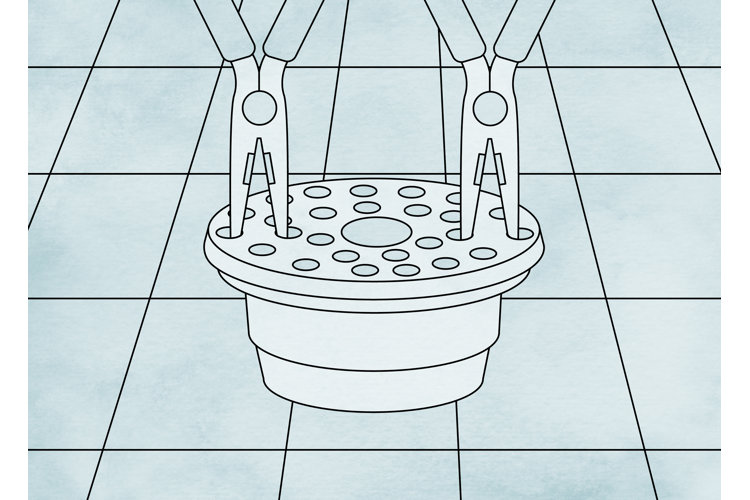
Step 4: Inspect the drain after you remove it. Check it for dirt, rust, or hair. Try cleaning the drain with rust remover and removing any visible clogs which may require the use of a plumbing snake. However, if there’s too much rust or damage present, you may need to replace the drain.
Tip!
For a more in-depth overview, check out our specific guide for How to Remove a Shower Drain.
How to Dissolve Hair in Shower Drain
What You Will Need
Wet vacuum
Baking soda
Apple cider vinegar
Washing soda
Step 1: Suck out any liquid in the shower with a wet vacuum. This will allow you to get closer to the clog.
Step 2: Pour ½ cup baking soda down the drain. Then, pour ½ cup apple cider vinegar down as well. Their bubbling reaction will dissolve the clog.
Step 3: Rinse out the drain with warm water. If this doesn’t unclog the drain fully, pour 1 cup of washing soda down the drain and let it sit for five minutes. Rinse again.
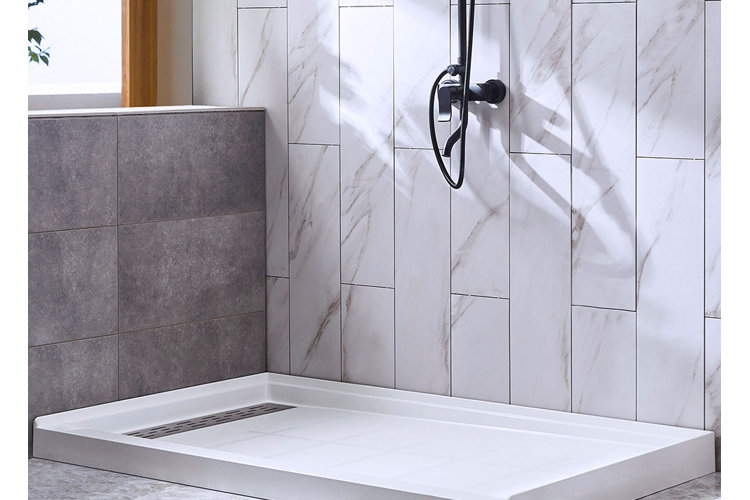
How to Remove Water Stains from Your Shower
To remove water spots from the trim, you can use warm water and a soft, damp cloth to buff away the discoloration. Hard water stains, which result from lime and calcium buildup, will require a solution of equal parts white vinegar and water. You will want to be careful when using any chemicals on your faucet trim that could cause damage to the finish. You should avoid bleach-based cleaners, harsh abrasives or polishes, products used for the removal of tarnish and rust, and any industrial cleaners like those used on toilet bowls or tile.
