How to Layer Area Rugs Over Carpet
The budget-friendly way to style carpeting.
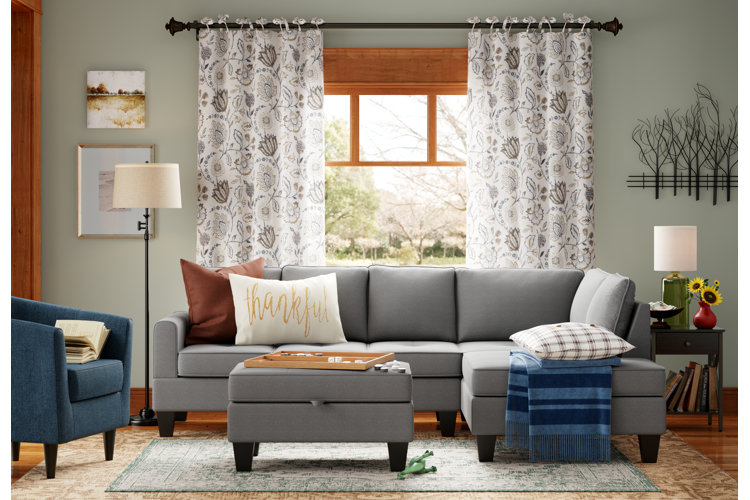
Area rugs aren’t only for bare floors. Layering one over a carpet is an easy way to add color, pattern, and personality to any space. Read on to learn how to layer area rugs over carpet for a look that feels intentional and polished.
Can You Put a Rug on the Carpet?
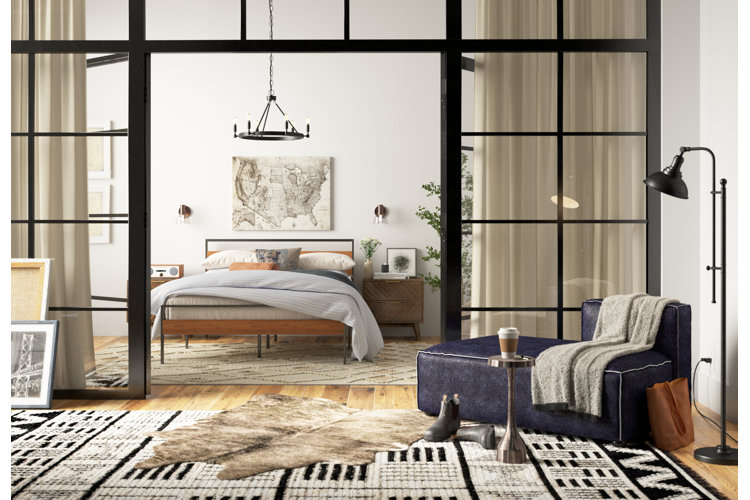
Yes – you can put an area rug over carpet. When done correctly, layering rugs is a simple way to refresh a space without replacing existing flooring, making it especially useful for rentals or rooms with wall-to-wall carpeting. An area rug can help conceal wear or stains while adding color, pattern, and texture.
Layering can also be practical. For example, a machine-washable area rug offers extra carpet protection during high-traffic moments like entertaining or family game nights. Keep reading for an overview of how to choose and place an area rug over carpet for a polished look without slipping or bunching.
When layering an area rug over carpet, a few thoughtful choices can make the difference between a design that feels cohesive and one that feels overwhelming. Use the steps below to create a layered look that’s both stylish and comfortable.
1. Decide How Much Carpet You Want to Cover
Start by determining how prominent you want the area rug to be within the space. You may choose to cover a large portion of the carpet for a more grounded look, or leave some carpeting visible to create contrast and dimension.
To keep the layered design feeling intentional, choose a rug size that works with the scale of the room. Rugs that are too small can feel disconnected, while well-proportioned options help define the space. Anchoring the rug with furniture, such as placing it beneath a bed, sofa, or coffee table, helps establish it as a purposeful design element. Ideally, the rug should extend beyond the furniture arrangement to visually frame the area and tie the room together.
Tip!
Browse our guide on How to Choose the Right Rug Sizes for specific measurement tips and layout options.
2. Consider Texture & Thickness
Balancing texture is one of the most important factors when placing an area rug over carpet. The pile height of your carpet should guide your rug choice.
If you have low-pile or flat carpeting, a thicker or shag area rug can add warmth and dimension. For plush or high-pile carpet, opt for a low-pile or flatweave rug to prevent the space from feeling overly bulky or uneven. Contrast in texture helps the layered design feel intentional rather than overwhelming.
3. Keep Carpet Color In Mind
When layering a rug over carpet, avoid choosing an area rug in the exact same color. Similar shades can blur together visually, making rug edges harder to see and throwing off the balance of the room.
Instead, look for complementary tones or patterns that stand out from the carpet. For example, an ivory or cream rug pairs well with beige carpet, while a patterned selection can soften the contrast against white carpeting better than a solid option.
4. Add a Rug Pad for Stability
A rug pad is an essential addition when placing an area rug over carpet. Rugs can shift or bunch just as easily on carpet as they do on hard flooring. A rug pad helps keep everything in place, reduces slipping, and minimizes unwanted bumps. As a bonus, it also protects both the rug backing and the carpet underneath from friction and wear.
5. Experiment With Layering Multiple Rugs
Layering more than one area rug over carpet can create a relaxed, boho-inspired look. Start with a larger base rug, then layer a smaller accent rug on top, such as a faux fur, cowhide, or patterned selection. Just be sure to follow the same sizing, texture, and color guidelines to keep the look cohesive.
