How to Layer Lighting in Your Home
Learn the differences between lighting types and where each one belongs in a space.
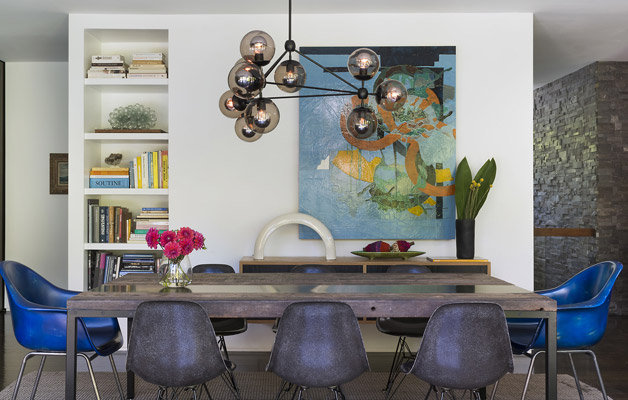
Design: Thread by Lindsay Bentis
Before picking out your light fixtures, it’s important to understand the three different types of lighting that are available to you and what will work best in your space. Maybe you need to light an entire space, or maybe you’re searching for the best reading lamp, either way our editors are here to help you figure out which lighting will help your house shine.
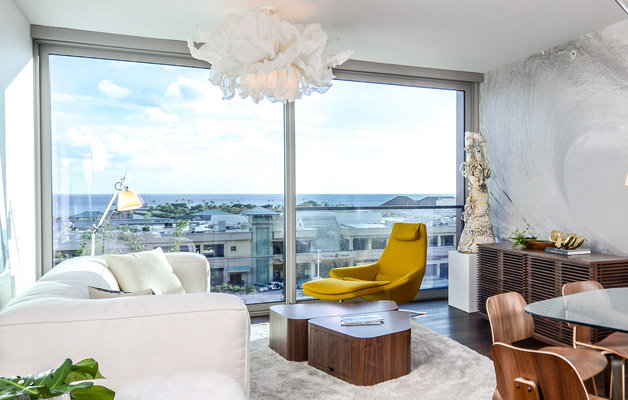
Design: Terracotta Design Build
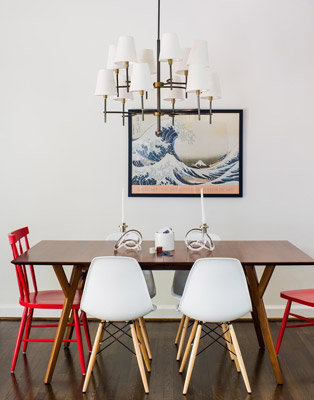
Design: Havenly
First Layer: Ambient
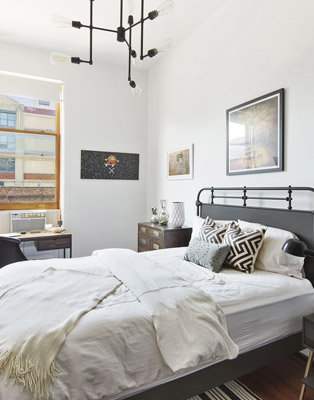
Every space needs a foundational source of light that comfortably illuminates the entire room, also known as ambient lighting or general lighting. It's the most common lighting seen in homes. When turned on, it provides enough light for you to see and walk about the room at any time of the day. Ambient lighting is usually from larger lighting fixtures placed in the centre of the room, such as chandeliers or pendants. However, it also includes sets of recessed lighting or flush mounts. Ambient lighting is a great starting point for any room that is lacking a general source of light. Make sure your chandelier (or ceiling light) is proportionate to your room size and hung at the right height by reading our Chandelier Size and Placement Guide »
Where to put your ambient lighting:
- Every room of the house
- Centre of each room
- Closer to the ceiling for ample diffusion
Tip! If you’re renting and can’t install a large overhead light, get the same centre-of-the-room glow by using an arched floor lamp.
Design: Robin Henry
Design: Burnham Design
Design: Clean Design Partners
Second Layer: Task
This lighting comes in handy when you’re performing specific jobs, such as reading, cooking, and grooming. As the sun sets, task lighting becomes important because your space is lacking the natural glow of sunlight and your ambient lighting is working harder. Or, say you've turned your ambient lights off and left your task lights on for direct light under a specific area but not the entire room. This type of lighting can be achieved through table lamps, floor lamps, pendants, sconces, under-cabinet, and recessed lighting.
Where to put your task lighting:
- Next to your bed
- Above your kitchen sink
- Over your bathroom vanity
Tip! To open up floor space, opt for wall sconces that won’t take up walking room. Swinging arm sconces are great for reading in bed.
Design: Burnham Design
Design: Robin Henry
Design: KMID
Third Layer: Accent
As the final layer, this type of lighting adds the finishing touches by enhancing specific details of your space, like special artwork or architectural features that draw attention. Common types of accent lights are wall sconces, floodlights, recessed lights, or track lighting. Placing two wall sconces on either side of a fireplace draws attention to the architectural beauty of a home, while also creating a dramatic mood.
Where to Put Your Accent Lighting:
- Around an architectural detail
- Above your favourite painting
- Inside a wall cutout
- Above a bookcase
Tip! Accent lighting might seem like a luxury, but you don’t have to break the bank for it. Placing a small table lamp on your console will highlight photos and other decor items for a fraction of what it costs to install an accent sconce.
