How to Mix Wood Tones With Confidence
A practical guide to mixing wood tones like a pro.
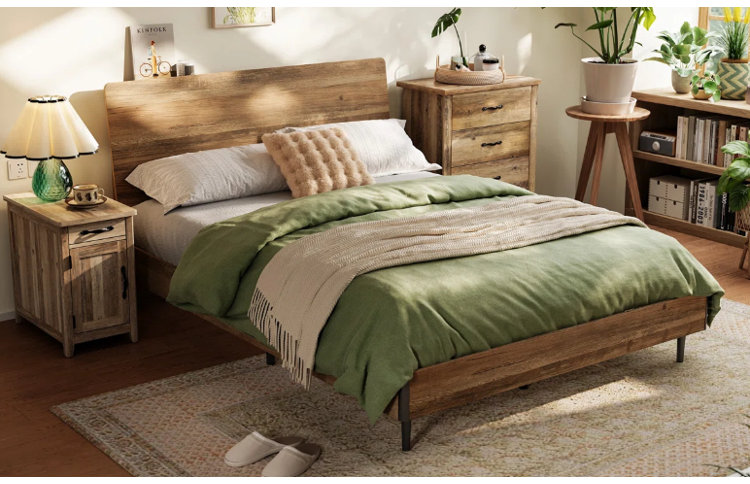
Mixing wood tones can feel intimidating at first, but it’s one of the easiest ways to make a space feel warmer, more layered, and more intentional. Unsure where to start? By following our simple guidelines, you can combine light, medium, and dark woods in a way that feels cohesive rather than chaotic.
1. Start With a Dominant Wood Tone
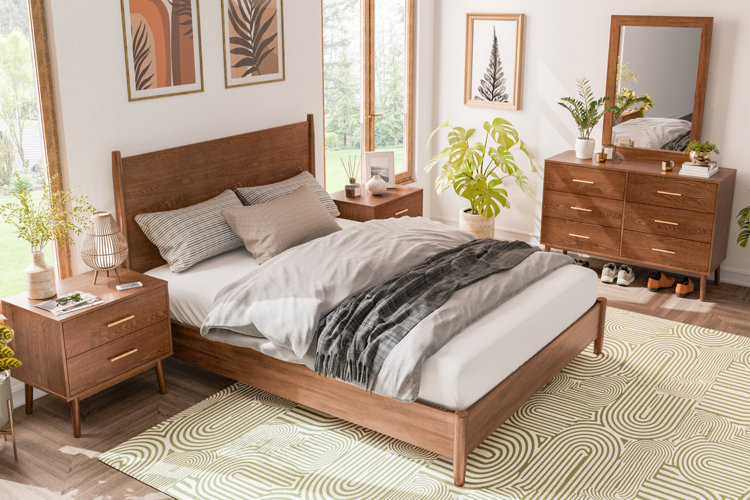
Every well-designed room starts with a foundation, and when mixing wood tones, that foundation is usually one dominant finish. This is often set by the largest wood element in the space, such as your flooring, bed frame, or dresser.
After identifying your primary wood tone, let it guide the rest of your choices. Supporting wood finishes should complement it rather than compete with it. Your dominant wood tone acts as the anchor that keeps the room grounded.
One of the easiest ways to mix wood tones successfully is by incorporating contrast. Using a range of light, medium, and dark woods adds depth and keeps a room from feeling flat or overly coordinated.
In this bedroom, light wood flooring sets a bright, neutral foundation, while a medium-toned wood bed frame and dressers ground the space. Spreading these finishes throughout the room ensures that no single wood tone feels isolated or overpowering.
Not all wood tones are created equal. Some woods have warm undertones (think red, orange, or golden hues), while others lean cool with gray or ashy notes. Paying attention to undertones can make a big difference in how cohesive your mix feels. In this living room, the dark wood coffee table and warm wood flooring share similar undertones, allowing them to pair naturally with the rich, warm upholstery on the sofa.
Even when wood tones vary, furniture style can help tie everything together. Pieces that share similar silhouettes or detailing, like the bed frame, dressers, and nightstands above, often look cohesive regardless of finish. For example, mid-century modern furniture tends to mix well across different wood tones because of its clean lines and simple shapes.
Using objects to break up wood surfaces helps soften the look and creates natural transitions between different finishes. In the image above, the dresser is styled with a lamp, candlesticks, books, and florals. These decorative accents introduce other materials to balance the varying wood tones, like metal, ceramic, and glass. Even these smaller details can act as a visual connector between lighter and darker woods.
Tip!
Check out our Types of Wood Furniture & Finishes Glossary for a closer look at common wood species, finishes, and tones.
