How to Store Potatoes For a Long Shelf Life
Potato storage made easy
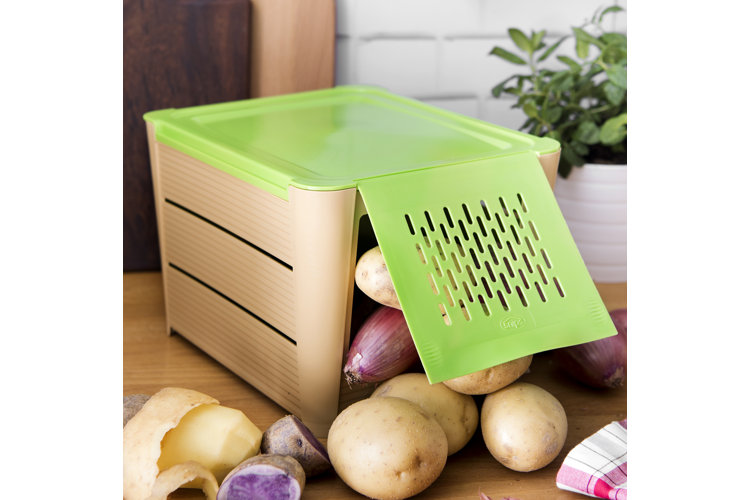
Potatoes are a versatile household staple that can be made into a seemingly endless amount of dishes. They are known for their long shelf-life, which is why buying these tubers in bulk is ideal. Learning how to store potatoes can help you preserve your spuds for longer, allowing you to make your favorite potato bake, fries, or a good old mash, whenever you need.
How to Store Potatoes Properly
Best Locations & Methods for Storing Potatoes
Pantry
Countertop
Refrigerator
Freezer
Cured
Dehydrated
How to Store Potatoes Properly

Storing potatoes may seem like a no-brainer, but learning how to store potatoes long-term requires a little more finesse. Before you discover how to store potatoes, you will need to know how to select the best possible spuds.
When you buy your potatoes you want to make sure they are fresh and healthy so they last longer when they are stored.
-Make sure your potatoes are firm - if they are soft, they are already beginning to degrade.
-Check that they have a smooth skin and texture. Potatoes with bruises and injuries will spoil more quickly.
-Ensure that there are no sprouts on your potatoes. Sprouts, also known as eyes, are small bumps or indentations that form on potatoes in places where new plants will sprout.
-Avoid any green potatoes. This color indicates the formation of chlorophyll and is not suitable for consumption.
Best Locations & Methods for Storing Potatoes
Once potatoes are harvested, they continue to breathe and thus continue to ripen and decompose. If you know how to store potatoes properly, you will be able to extend their shelf-life and reduce food waste.
Pantry
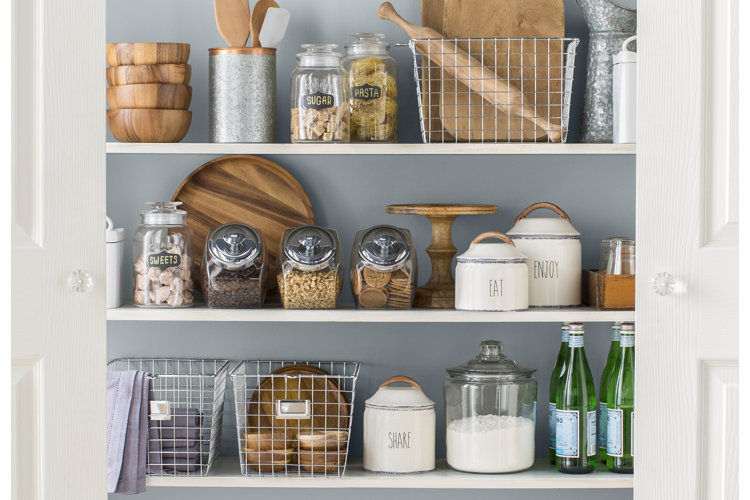
The best way to store potatoes is in a cool, dark, and dry place with sufficient air flow and circulation. Storing them out of the sunlight will help prevent sprouting. The ideal temperature for storing potatoes is between 35–40°F, preferably nothing below freezing or above 60°F. More often than not, this will be a pantry or a root cellar. If you don't have either of these, you can use a lazy Susan placed in a cupboard or storage baskets, crates, and buckets in a dark space, because they all allow for ventilation where the excess moisture can evaporate. It is even possible to use a laundry basket lined and layered with newspaper as an unusual potato storage option.
Tip!
Don't wash your potatoes before storing them as this will add unnecessary moisture which promotes the growth of fungus and bacteria. Storing potatoes dry will help them last longer.
Countertop
The most common method of potato storage is storing them on the countertop. Potatoes last longer on the countertop than most other fruits and vegetables. The best way to store potatoes on the countertop is in a fruit or bread basket. Alternatively, a bread box with air holes can do the trick. Storing potatoes this way will help them last for a few weeks before they begin to sprout and go bad.
Tip!
When storing potatoes, keep them separate from other fruits or vegetables because their ripening process releases ethylene gas, which can cause potatoes to sprout and soften more quickly.
Refrigerator
Storing potatoes in the refrigerator is not ideal for the long-term, as the cold temperatures can increase the amount of sugar they contain which in turn leads to higher levels of a chemical called acrylamide, it can also form during high-temperature cooking. This chemical poses a potential health risk in humans, so it is best to reduce any intake. Storing them in the fridge short-term is best.
Sliced: The best way to store potatoes that are raw, peeled, and sliced, is in the fridge in an airtight container with an inch or two of water until they are ready to use. The water prevents the cut potatoes from enzymatic browning. Storing potatoes this way should only be done for 24 hours, as they can begin to absorb too much moisture, become soggy, and lose their flavor soon after. To store potatoes for longer periods in the fridge, consider vacuum sealing them instead as this can help them last up to one week.
Cooked: It is possible to store cooked potatoes in the fridge for up to four days. Any longer and they pose the risk of becoming gummy or watery due to the starches within the potato changing shape and losing water as they cool. It is best to store them in an airtight container marked with the date so you know when to eat them.
Potatoes don't freeze well raw because they brown and turn mushy when they are defrosted. The best way to store potatoes in the freezer is to cook them first to destroy the enzymes that cause discoloration and then store them in an airtight container. Freezers can still potentially spoil potatoes if they are not sealed in an airtight container. Frozen potatoes can last up to one year in the freezer. When you are ready to use them, simply place them in the fridge overnight to thaw and cook as normal.
It is possible to cure your potatoes in order to extend their shelf life. This is especially true of homegrown spuds. To cure them, store new potatoes at a moderately high temperature of about 65°F℉ and 85–95% humidity levels for about two weeks. This can be done in an empty (and off) oven with the door slightly ajar or in a small, dark closet. Curing can help the potato skin to thicken and heal any minor injuries that may have occurred during harvesting. Once cured, good potato storage options such as a food containers with air holes, crates, or even a burlap sacks will work for long-term storage.
Tip!
Regularly check your potatoes for any that are soft, shrivelled, or sprouted, as they can make the others go bad.
Dehydrated
For an unusual potato storage method, consider dehydrating them. This works well if you have an excess of mashed potatoes that you don't want to go bad. Place the mashed potatoes in a food processor and blend until smooth, then spoon onto a dehydrator sheet in thin layers and dry until they break away (this can take up to 36 hours). Once they are dried, you can place them in the food processor again to make potato flakes. Store them in an airtight container and use them to add to your mashed potatoes in the future.
No matter what potato storage method you use, using the correct methods can help you keep them for longer before they go bad.
