Linen vs. Percale Sheets: What’s the Difference & Which Is Right for You?
Choose your perfect sheets.
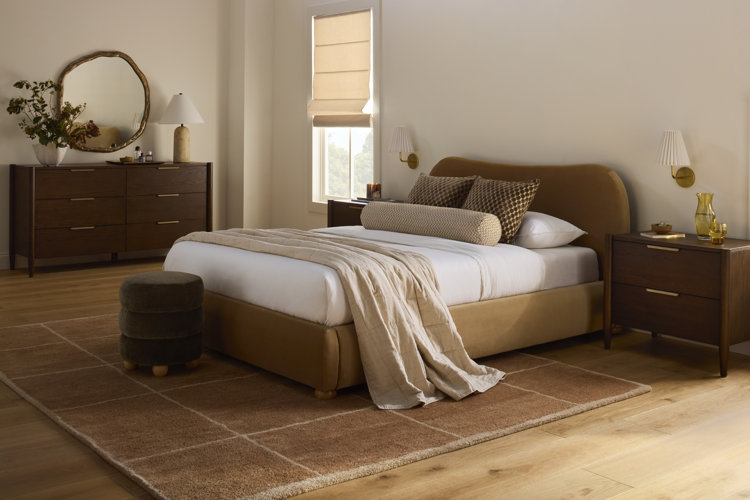
Choosing between linen and percale sheets can be a challenge, as both are comfortable and breathable options. While they may seem similar at first glance, these two fabrics offer different textures, finishes, and totally different sleep experiences. Read on to learn the difference between linen vs. percale sheets and how to decide which is the best option for you.
Linen sheets are made from natural flax fibers and have a naturally textured and laid-back appearance. Linen is an eco-friendly and sustainable material that is highly breathable, moisture-wicking, and naturally antibacterial – making it perfect for hot and humid climates. Linen sheets often have a slightly heavier feel than other materials, such as cotton or sateen sheets. While they may have a slightly scratchy texture at first, they tend to quickly soften with each wash.
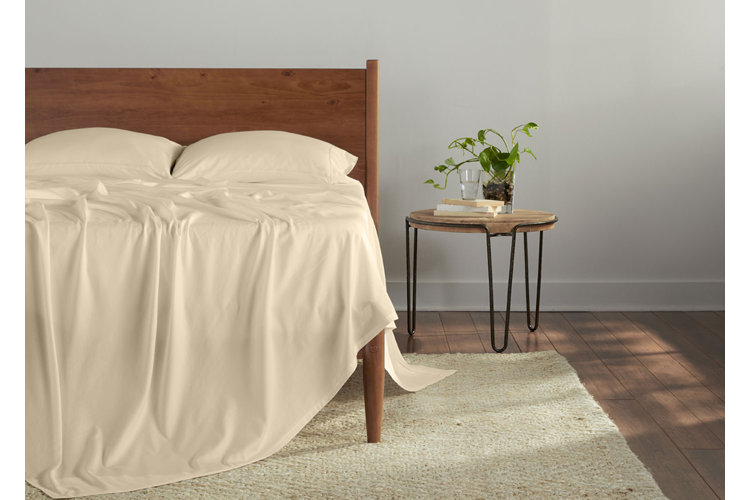
Percale sheets are made of cotton fibers in a tight weave that gives them a crisp and cool feel. Like linen, percale sheets are highly breathable; however, percale is even more lightweight, which makes them a great option for year-round bedding. Percale sheets have a cozy matte finish, unlike the glossy finish of sateen sheets. Percale sheets also have a smoother texture than linen at first use and will continue to soften over time, but are prone to thinning with regular use and washing.
Which Is Cooler for Sleep?
Both percale and linen are breathable fabrics. While percale has the crisp, cool feeling of hotel sheets, linen is best for hot sleepers who tend to sweat due to its moisture-wicking properties. If you live in a hot and humid climate, linen sheets will be best for keeping you cool and dry while you sleep.
Tip!
Learn more about the best sheets for different types of sleepers with our helpful guide: Your Guide to the Best Sheets for Sleepers of All Kinds
Which Is Softer?
Percale offers a smooth and crisp feel from the start, while linen sheets have a natural texture that softens with use. Fresh linen sheets can feel slightly scratchy at first, but will quickly soften with use, so choosing between linen or percale for softness will depend on your preference.
Durability & Longevity
If you’re looking for a long-lasting sheet set, linen has the potential to last longer with proper care, typically between 3–10 years depending on quality and upkeep. Percale sheets also have a decent lifespan and can last anywhere from 3–5 years with proper care. However, percale sheets can wear thinner over the years with regular use. Be sure to follow washing instructions specific to your sheets to extend their lifespan, which you should be able to find on the care tag.
Price Comparison
Linen sheets are an investment initially, while percale sheets are a great budget-friendly option. High-quality linen sheet sets range in price from $250 – $500, while percale sheet sets typically range anywhere from $100 – $250. Though linen sheets are typically more expensive up front, their durability and longer lifespan can pay off in the long run.
Care & Maintenance
Care and maintenance are fairly simple for both linen and percale, but differ slightly. Here’s what you need to know for both:
- Linen: Linen sheets can be washed on a gentle cycle in cold or lukewarm water with regular detergent. Avoid using bleach or fabric softener on your linen sheets, as it can weaken the fabric over time, reducing the lifespan of your sheets. Linen sheets can be tumble-dried on a low heat setting, but air-drying is best. Wash your linen sheets every 2–4 weeks to maintain peak softness.
- Percale: Wash your percale sheets on a gentle cycle in cold or warm water, using a mild detergent. Like linen sheets, avoid using bleach and fabric softener to maintain their smooth and crisp appearance and feel. Percale sheets can be tumble-dried on low to medium heat, but should be removed from the dryer promptly to avoid excessive wrinkling.
Tip!
Learn more about caring for your bed sheets with our guide that answers this common question: How Often Should You Wash Your Sheets?
How to Choose Between Linen & Percale Sheets
If you’re still not sure if linen or percale sheets are the way to go, check out our quick recommendations to help you make the right choice.
Percale vs Linen: Quick Recommendations
- Best for Hot Sleepers & Warm Climates: Linen
- Best for a Hotel Feel: Percale
- Best for Longevity: Linen
- Most Affordable: Percale
- Most Eco-Friendly: Linen
- Most Low-Maintenance: Percale
Tip!
Still not sure which sheets are best for you? Check out our Bed Sheet Buying Guide.
Frequently Asked Questions
Is linen better than percale?
No, linen is not better than percale – it depends on your needs. Linen is best for hot sleepers and long-term durability, while percale is a great choice for a crisp feel and is a more affordable option.
Do hotels use percale or linen sheets?
Hotels typically use percale sheets because of their smooth, crisp, and cool feel.
Are linen sheets too rough?
Linen sheets can feel slightly textured or scratchy at first, but they soften quickly with regular use and washing.
Do percale sheets get softer over time?
Yes, percale sheets soften over time, though they may also become thinner with regular use.
Which sheets are best for summer?
Both are breathable, but linen is best for hot and humid climates due to its moisture-wicking properties, while percale offers a cool-to-the-touch feel.
