Mattress Weight: Everything You Need to Know
Mattress weight made simple.

When shopping for a new mattress, one important detail that’s easy to overlook is its weight. Mattress weight impacts how simple it is to set up, move, and clean your bed. From lightweight twin sizes to hybrid king-size selections, every option comes with its own range. Keep reading for everything you need to know about mattress weight by size, type, and thickness, so you can sleep soundly on the perfect choice for your space.
Mattress Weight by Size
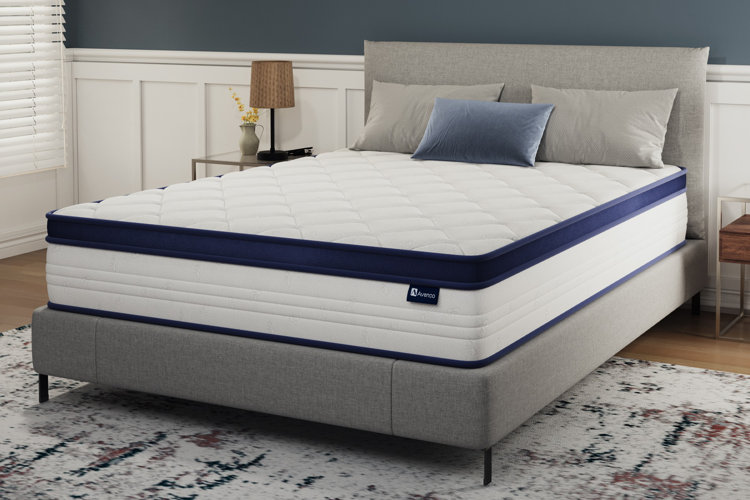
(Shop this image: Hybrid mattresses, upholstered beds, and throw pillows)
Mattress size is the biggest consideration when determining how heavy your mattress will be. Whether you go for a full or queen size, here are the standard weight ranges for each option so you can choose the best mattress to set up and move around the bedroom.
- Twin Mattresses: The lightest option, twin mattresses usually weigh 40 to 45 pounds, making them ideal for small spaces or kids’ rooms. They’re easy to move around, and their compact size means simple setup and quick rearranging.
- Full Mattresses: The next size up, full mattresses weigh 50 to 60 pounds on average. Maneuvering them is a manageable task, and they work well for single sleepers who want a bit more space.
- Queen Mattresses: Queen mattresses typically weigh 70 to 110 pounds depending on type and thickness. As the most popular size, they strike a balance between manageable weight and spacious comfort.
- King Mattresses: King mattresses offer more surface area, weighing about 90 to 125 pounds on average. They usually require two people to move, but offer generous space for those sharing the bed.
- California King Mattresses: California king-size mattresses are a bit longer and narrower than standard kings, weighing 95 to 125 pounds on average. They’re a bit heavier, but offer ample comfort for taller sleepers.
Mattress Weight by Type
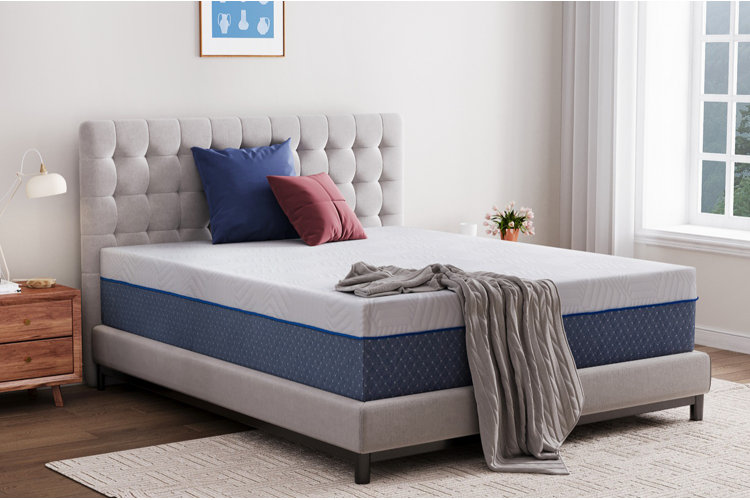
(Shop this image: Foam mattresses, upholstered beds, throw pillows, and blankets & throws)
While mattress size plays a large role in how heavy your bed will be, the materials inside are another important factor. Each mattress type has its own density depending on the construction method, which can cause significant weight differences in mattresses of the same size. Here’s what to expect from the most common types.
- Hybrid Mattresses: Combining foam and coils, hybrid mattresses are among the heaviest options. The dense foam layers add cushioning, and the coil base provides support and durability. As a result, a queen-size hybrid is usually about 100 to 120 pounds. Although they can be more difficult to move, hybrid mattresses offer a blend of support and pressure relief that results in many nights of sound sleep.
- Foam Mattresses: Foam mattresses, especially those made with memory foam, are denser than innerspring alternatives. Depending on thickness, a standard queen typically weighs 75 to 90 pounds. While a bit heavier than mattresses with traditional coils, foam mattresses are valued for their contouring comfort and movement absorption.
- Innerspring Mattresses: Innerspring mattresses are usually the lightest option. Their coil support systems topped by lightweight padding result in a weight of 70 to 100 pounds for standard queen-size selections. Innerspring mattresses are often easier to set up and move around, though they may not provide the same dense cushioning as foam or latex options.
- Latex Mattresses: Latex mattresses are one of the heaviest selections thanks to their solid natural or synthetic rubber construction. A queen latex mattress often weighs in at 120 to 140 pounds. Though more difficult to maneuver, latex is supportive and highly durable, often lasting longer than other types of mattresses.
Mattress Weight by Thickness

(Shop this image: Foam mattresses, wooden beds, and throw pillows)
Thickness is another key consideration when choosing the best mattress weight for your space. The more layers and height a mattress has, the heavier it becomes. Here’s how the thickness categories compare, and what each is best suited for.
- Thin Mattresses (Less Than 6 Inches): Thin mattresses are the lightest option, with queens weighing 25 to 40 pounds. They’re best for daybeds, trundles, or tight spaces where a low profile is needed.
- Slim Mattresses (6 to 8 Inches): Slim mattresses typically weigh 40 to 60 pounds. Their lower height and limited bulk makes them an ideal choice for bunk beds or minimalist setups.
- Standard Mattresses (8 to 12 Inches): Standard mattresses are the most common selection, weighing roughly 60 to 90 pounds for a queen size. They’re a versatile choice that fits most bed frames.
- Thick Mattresses (12 to 16 Inches): Thick mattresses weigh between 90 and 120 pounds thanks to their extra layers of cushioning. They may be more difficult to move or rotate, but offer a plush, elevated feel.
- Very Thick Mattresses (16 Inches or More): Very thick mattresses often weigh 120 pounds or more, making them the heaviest selection. They create a luxurious look and offer premium comfort, but usually require a sturdy bed frame and extra support for setup.
Tip!
Browse our Comprehensive Guide to Mattress Thickness for more information on every option.
Why Mattress Weight Matters
(Shop this image: Hybrid mattresses, upholstered beds, throw pillows, and geometric area rugs)
When choosing a mattress, weight directly influences how you’ll use, care for, and enjoy your bed over time. Here’s why it’s an important factor, from setup to long-term comfort.
- Setup & Moving: Heavier mattresses can be trickier to carry upstairs or fit through narrow hallways. Knowing the weight helps you carefully plan for delivery and setup.
- Cleaning & Flipping: Rotating or flipping your mattress helps keep it in shape, but heavier selections may require an extra set of hands. Lighter mattresses make for easier upkeep and maintenance on your own.
- Durability & Comfort: Extra weight often signals denser mattress materials, which can mean a longer lifespan and added support while sleeping.
- Bed Frame Support: Heavier mattresses put more stress on bed frames over time. Always be sure that your bed’s base or foundation is suited to support the weight of both the mattress and the sleepers on top.
