How to Use a Rice Cooker: Perfect Rice Explained
Cook rice with confidence.
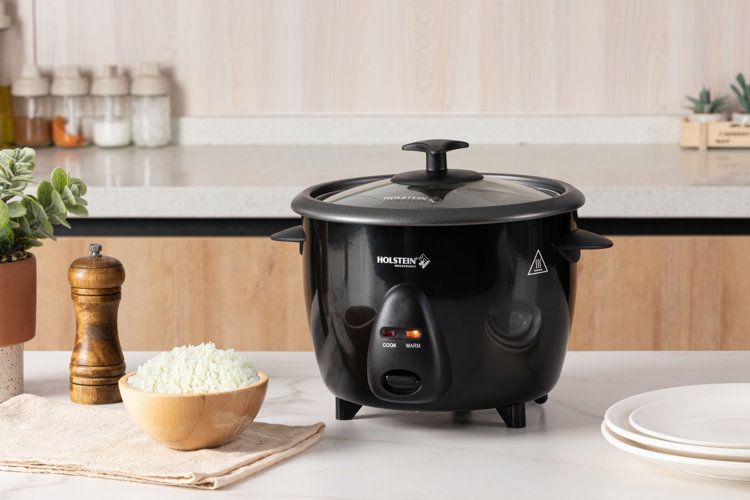
Rice is a staple in many types of global cuisine. If you know how to cook rice well, you’ve got a great foundation for hundreds of delicious meals. To use a rice cooker, rinse your rice, add the correct amount of water (typically a 1:1 ratio for white rice), close the lid, and start the cooking cycle. Then, let the rice rest for 10 to 15 minutes before fluffing and serving.
Read on to learn how to use a rice cooker and get perfectly tender and fluffy rice every time.
Why You Should Use A Rice Cooker
A rice cooker cooks rice to perfection automatically, taking the guesswork out of how much water to add to your pot and how long to cook it without it sticking to the bottom of the pot. When cooking rice in a rice cooker, all you need to do is add water, rice, and press a button before walking away. Here are some key benefits of using a rice cooker:
- Hands-Free Cooking: Simply load your ingredients and press a button. With a rice cooker, you don’t need to stand around monitoring your rice. You’re free to chop veggies, cook your meat, or even go watch TV – the timer will let you know when your rice is ready.
- Perfect Results: Your rice won’t end up undercooked or worse, burnt to the bottom of your pot when using a rice cooker. As long as you add the correct amount of rice and water, you’ll get perfect results every time. Some rice cookers have buttons for different types of rice, including white, brown, or sushi rice, for more customized results.
- Multifunctional: Rice cookers can also be used to steam vegetables or cook other grains like quinoa, barley, and farro. Some rice cookers feature a delayed cooking time, so you can add ingredients and schedule a cooking start time for hands-off help in the kitchen while cooking a big meal.
- Energy Efficiency: Because rice cookers function with a closed system that prevents excess heat loss, they are generally more energy-efficient than cooking rice on the stove top. If you’re looking for energy-efficient kitchen appliances to make your life easier, a rice cooker is a must-have.
Tip!
If you’re looking for more info on exactly what this countertop appliance is, check out our guide: What Is a Rice Cooker?
How to Use a Rice Cooker
Using a rice cooker is simple. Follow these steps to make the perfect rice for your next meal.
1. Read the Instructions on Your Rice Packaging
Different types of rice require different amounts of water for cooking. The packaging that your rice comes in should have instructions that specify the rice-to-water ratio you should add to your rice cooker for the best results.
2. Rinse Your Rice
Rinse and drain your rice in cold water repeatedly until the water turns clear. Do this by adding your rice to a bowl and running cold water over it. You can use a clean hand or a rubber cooking utensil to break up the rice while rinsing, which will help release excess starch that can make your rice slimy or cause the pot to boil over. Strain the cloudy water out and repeat until the water is clear. Some vitamin-enriched rice doesn't need to be rinsed – if this is the case, it should say this on the packaging.
3. Place Rice & Water in the Pot
Add your rinsed rice into the rice cooker's bowl. Then, add in the amount of water recommended for rice cookers, which are often different from stove top cooking. Some rice cookers have measurements in the bowl or include a labeled measuring cup.
If you are using white rice of any grain size, it is recommended to use a 1:1 water-to-rice ratio. For example, if you are using one cup of rice, pour in one cup of water. However, brown rice usually requires a 2:1 water-to-rice ratio and a longer cooking time. You can also choose a programmable rice cooker, which has easy-to-use buttons to choose between white or brown rice.
4. Place Pot in Cooker & Close the Lid
Place the pot in the cooker. You can also add salt, spices, oil, butter, and other seasonings at this stage, before you close the lid.
5. Plug in Cooker & Press Power Button
Once you close the lid, press the start button or switch – which is often located on the front of the device. A light should turn on indicating that the cooker is on and heating.
6. Let Rice Rest After Cooking
Rice cooking times can vary depending on the type and amount of rice you're cooking, but most rice will be done within 15–35 minutes. The rice cooker will indicate that your rice is done cooking by making a sound, flipping the on/off switch back to its default position, and/or turning off its cooking light. Many rice cookers will automatically initiate their warming setting once the rice is done. Let the rice rest for at least 15 minutes before opening the pot to allow all excess moisture to be absorbed – you can then fluff and serve it as a side or add it to your meal.
Tip!
Rice can begin to grow bacteria if left out for more than two hours, so be sure to store any leftover rice in air tight containers in the refrigerator.
7. Remove the Lid & Serve
If your rice cooker's interior pot is nonstick, use the provided rice paddle or plastic or rubber serving utensils to scoop out the rice. This avoids damaging the pot's nonstick coating.
8. Clean the Cooker
Leave the lid open to let the pot dry out, and then use a sponge or washcloth to remove any excess debris. Avoid using metal brushes or utensils with the cooker pot, as they can damage the nonstick coating. If your rice cooker pot is dishwasher-safe, you can put it in the dishwasher to clean it.
How Long Does a Rice Cooker Take?
Rice cooker cooking times vary based on the type of rice, the amount you're making, and your specific appliance. Most rice cookers automatically adjust cooking time based on moisture levels, so there's no need to monitor the pot while it cooks. Once the cycle finishes, many models automatically switch to a keep warm setting until you're ready to serve.
Here are typical cooking times:
- White Rice: 15 to 30 minutes
- Brown Rice: 30 to 50 minutes
- Jasmine Rice: 20 to 30 minutes
- Basmati Rice: 20 to 30 minutes
- Wild Rice: 45 to 60 minutes (or longer, depending on the blend)
For the best texture, let the rice rest in the cooker with the lid closed for about 10 to 15 minutes after the cooking cycle ends. This allows any remaining moisture to be absorbed before fluffing and serving.
Tips for Rice That Doesn't Stick
Perfectly cooked rice should be light and fluffy, not clumped together or stuck to the bottom of the pot. Follow these tips to help prevent sticking and achieve better results every time:
- Rinse Your Rice First: Rinsing removes excess surface starch, which can cause rice grains to stick together or cling to the cooking pot.
- Use the Correct Water Ratio: Too little water can cause rice to stick or scorch, while too much can make it mushy. Follow your rice packaging or rice cooker's instructions for the correct rice-to-water ratio.
- Avoid Opening the Lid While Cooking: Opening the lid releases steam and can disrupt the cooking process, leading to unevenly cooked rice.
- Let the Rice Rest: Once the cooking cycle is complete, leave the lid closed for 10–15 minutes. This allows the remaining moisture to be absorbed and makes the rice easier to fluff.
- Fluff Instead of Stirring: Use a rice paddle or fork to gently fluff the rice after it has rested. Stirring too aggressively can break the grains and make the rice sticky.
- Keep the Pot Clean: Leftover starch or food residue from previous batches can cause sticking. Clean the inner pot thoroughly after each use, especially if it has a nonstick coating.
Tip!
If rice regularly sticks to the bottom of your cooker, check the condition of the inner pot. A scratched or worn nonstick coating can make sticking more likely and may be a sign that it's time to replace the pot or upgrade your rice cooker.
Frequently Asked Questions
Do you rinse rice before cooking?
Yes, rinsing rice before removes excess starch that can cause cooked rice to feel slimy or boil over.
What's the water ratio for rice cookers?
Typically, white rice uses a one cup of rice to one cup of water, whereas brown rice uses a one cup of rice to two cups of water ratio.
Can rice cookers cook other foods?
Yes, rice cookers can be used to prepare a variety of foods, such as oatmeal, quinoa, steamed vegetables, soups, sauces, and even some cakes.
Do rice cookers turn off automatically?
Most rice cookers turn off automatically after the timer is finished and switch to a "keep warm" mode.
