Table Runner Sizes Guide: How to Choose the Right Length for Any Table
Simple sizing for elevated dining.
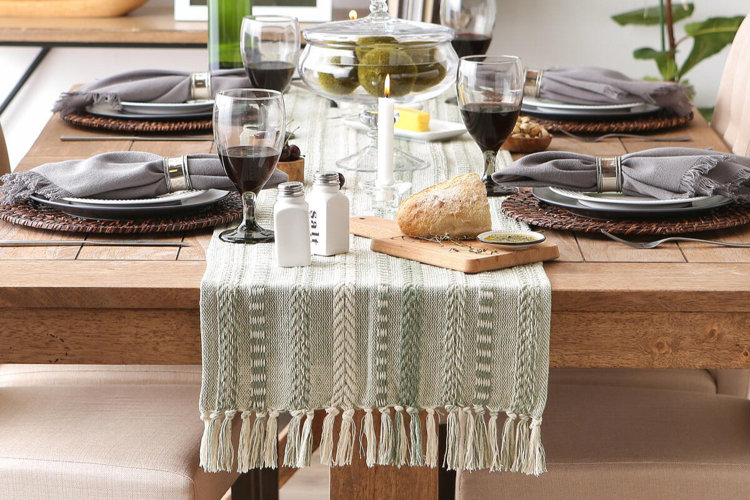
Picking the right table runner is all about how it works with your table shape, setup, and overall styling. The size you choose can completely change the look of your setup, from relaxed and casual to formal and layered.
Table runners are available in a range of common dimensions designed to suit different table sizes and styling preferences. Below, we break down some of the most popular options and how they’re typically used.
Common Table Runner Sizes
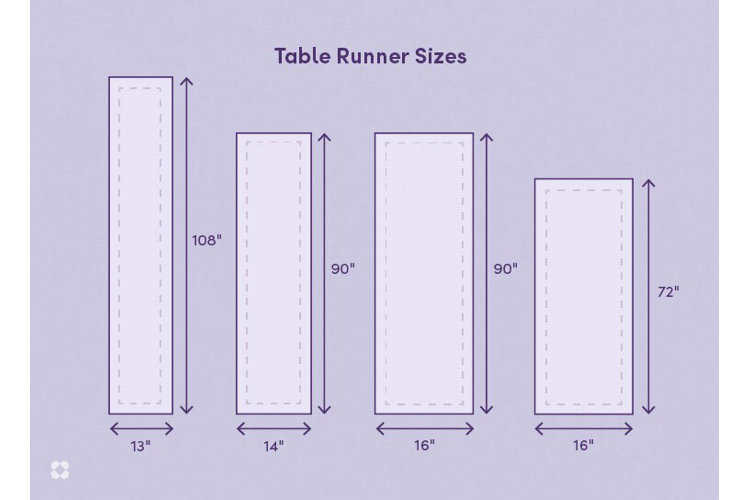
Table runners are generally long and narrow, but the exact length you choose will depend on how much overhang you want and the size of your table.
13" x 108" Table Runner
This extra-long runner is ideal for larger dining tables or for creating a more dramatic look with a longer drop on each end. It works especially well on rectangular tables that seat six or more.
14" x 90" Table Runner
A versatile, everyday option, this size suits most standard dining tables. It offers enough length for a classic overhang without feeling too formal.
16" x 72" Table Runner
Shorter in length, this runner is great for smaller tables or for a more tailored, modern look where the fabric stays closer to the tabletop.
16" x 90" Table Runner
One of the most common sizes, this runner strikes a balance between function and style. It fits standard dining tables well and provides a clean, proportional drop on both ends.
Tip!
Browse our guide on How to Select the Correct Tablecloth Size to complete your dining setup.
Choosing the Right Table Runner Size for Your Table
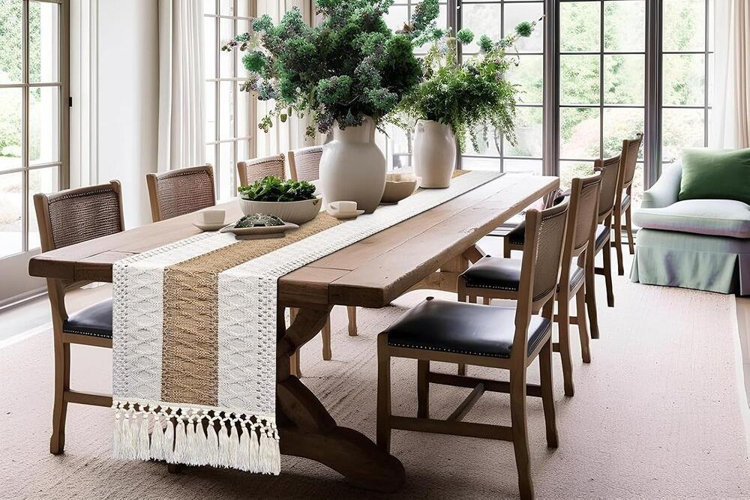
A good rule of thumb when choosing a table runner is to select one that extends 6" to 12" past each end of your table. This creates a balanced look without overwhelming the surface.
For a more relaxed or modern style, choose a shorter runner that sits within the table edges. If you’re layering over a tablecloth, keep the runner slightly shorter so both pieces remain visible.
Your final choice comes down to the look you want, whether that’s clean and minimal or layered and decorative.
Your table’s shape plays a big role in how a runner will look and fit. While most runners are designed with rectangular tables in mind, they can be styled across a variety of shapes with a few simple adjustments.
Rectangular Tables
This is the most common setup for a table runner. Choose a runner that runs lengthwise down the center, with an even overhang on both ends. Long runners work especially well for larger dining tables or formal settings.
Round Tables
For round tables, you can place a runner straight across the center or use two runners in a crisscross pattern for added visual interest. A short runner often works best to keep the look balanced.
Oval Tables
Oval tables pair well with standard runners lengthwise. Since these tables have softer edges, a slightly longer runner can help emphasize the shape and create a more elegant look.
Square Tables
On square tables, a runner can be placed straight across or layered diagonally for a more styled feel. For larger square tables, consider using two runners to create symmetry.
