The Best Chicken Coops to Keep Your Hens Plucky
Don't ruffle any feathers with these poultry palaces.
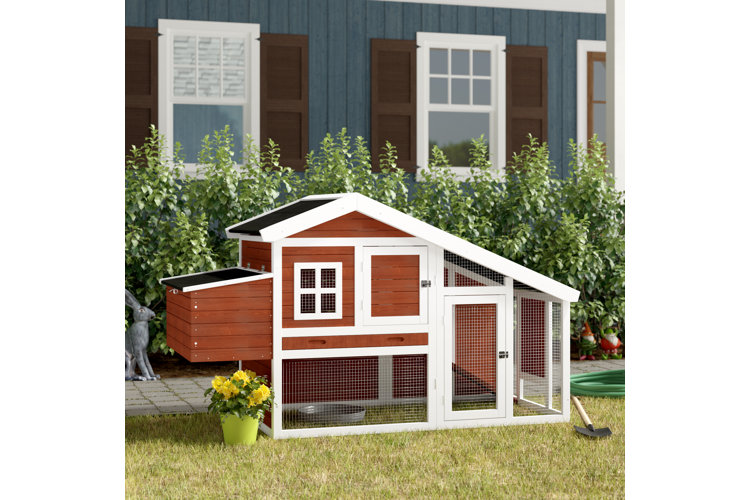
Are you looking to start tending chickens or expand your current flock? Ensure your brood is safe and comfortable by investing in a proper home for it. Keep your feathered friends happy and enjoy a steady supply of cruelty-free eggs with the best chicken coop available. Read this guide to find out exactly how to house your flock.
What Is a Chicken Coop?
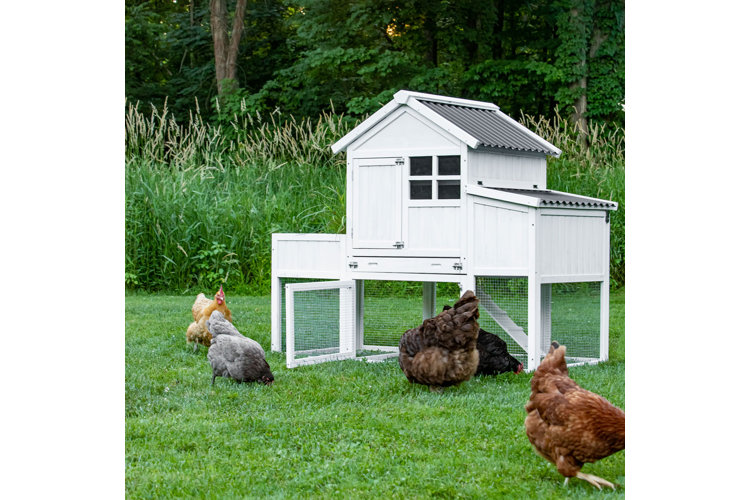
A chicken coop is an enclosed structure that provides a safe shelter for hens to roost, lay eggs, and keep safe from predators. Coops can include interior and exterior parts along with multiple levels and many accessories or attachments such as nesting boxes, roosting bars, runs, and feeders. All of these serve to ensure your chickens are comfortable, protected, and able to lay as many eggs as possible.
Best Chicken Coops: Types
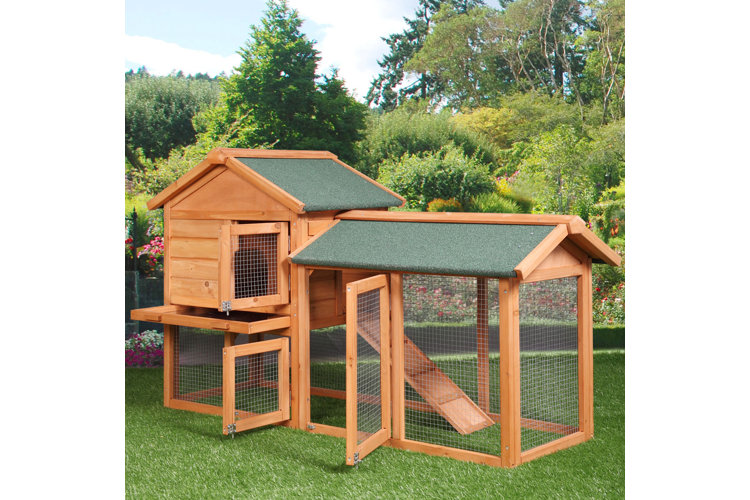
Chicken Coop & House: A chicken coop is the enclosed indoor space where your birds go to settle for the night. Chickens instinctively prefer a raised roost in order to avoid predators in order to feel safe while they sleep. A chicken house can be used interchangeably but also acts as a supplemental space to the coop. Often shaped as a small house, this additional indoor space extends what you have available, allowing for the placement of additional nesting boxes, roosting bars, and feeders/waterers. This is especially helpful if you plan to expand your flock.
Chicken Runs: A chicken run is a fenced outdoor space wherein your chickens can roam without worry of getting lost or being vulnerable to predators and curious pets. Sunlight is an important factor in chickens laying eggs, and a run-included chicken coop is an easy way to provide a secure space where the birds can enjoy the outdoors, sunbathe and dust bathe, forage in the grass, and scratch the dirt. If your chicken coop is raised, this space can extend underneath, offering additional shelter from the sun and aerial predators.
When it comes to the size of your chicken coop, bigger isn't always better. It is possible to have a coop that's too big for the size of your flock. A coop that is oversized will directly affect your chickens, who won't be able to generate enough heat to warm themselves at night. On the other hand, a coop that is too small can result in overcrowding, making the hens stressed and unhappy and even forcing them to lay elsewhere or to stop altogether. That is why it is important to find the correct size coop for the number of birds in your flock. Each bird should have about 2–3 square feet of space, though this is dependent on their breed, the age of the flock, and their personal preferences. It's a good idea to leave a little wiggle room to increase your flock size should you so desire. Additionally, the space you are able to devote to a coop will determine the number of chickens you can keep while maintaining their happiness and comfort.The size of the coop excludes the run and outdoor roaming space.
Small: The best chicken coop for first-time chicken owners is a small coop. If you are unfamiliar with tending, it's a good idea to start off with between one and four chickens (though two chickens is an advisable jumping-off point). The small coop will take up less space in your yard while keeping the chickens close enough to roost comfortably with no overcrowding. You will also be able to learn just what it takes to raise a flock and decide if you wish to expand from there.
Medium: This is the best chicken coop for flocks of five to six birds. This size will involve more work than a smaller brood but offers versatility in the event that you do wish to grow your flock. A medium chicken coop will feel like a manageable size for those who are still learning the ropes.
Large: This is the best chicken coop for larger broods ranging between seven and eight chickens. A large coop will give you a lot of room to play with in terms of chicken breeds and numbers. You will also be able to add more nesting boxes. This size is ideally suited for those who already have experience in keeping chickens and know how it works.
Extra-Large: The best chicken coop for flocks of nine or more is extra large in size. More industrial in proportion, these coops are better suited to farmers or businesses who tend larger flocks and/or require a steady number of eggs per day.
A chicken coop doesn't comprise just four walls. It requires additional features to ensure your flock is well kept. Whether you choose to purchase coops with these features installed or choose to add them separately after the fact, they are vital to tending chickens.
Weather-Resistant: Invest in a weather-resistant chicken coop so it is properly equipped to last for years to come, through rain or shine. You will want your flock to be protected from the elements to prevent any discomfort and unhappiness.
Nesting Boxes: When keeping chickens, you will need a nesting box, an enclosed area or box which provides a comfortable and safe space for your chickens to lay their eggs. Make things easy for yourself and purchase a coop with a nesting box already provided. If your hens lay daily, it's possible you may need more than one, depending on the size of your brood. Be sure to position the nesting box where you will easily be able to access the eggs. One box is usually sufficient for four hens, but be sure they are comfortable because if not, they may begin looking for somewhere else to lay.
Roosting Bar: A roosting bar is an elevated bar or plank on which the chickens will perch to sleep. It's in a chicken's instincts to roost above the ground, so the bar will be placed appropriately (not too high or too low) to help them feel safe and protected at night. Allowing the hens to roost is vital, because they huddle and keep warm. Remember, it's extremely important that the roosting bar is not situated over the nesting box, as chickens defecate while they sleep. This is unsanitary and will make the nesting box harder to clean.
Hinged/Removable Roof: A hinged roof is connected to the coop by a joint, allowing the top to swing open and closed. A removable roof comes off altogether. Both allow you direct access to the eggs inside the coop without needing to enter yourself. A hinged or removable roof also makes cleaning the coop easier by allowing you to efficiently reach all corners and even let it air-dry once done.
No matter what material you choose, make sure your chicken coop will withstand the elements and keep your flock comfortable.
Wood: Wood is the most traditional and aesthetic material for chicken coops. The high quality and robust material is unlikely to blow away in a storm and will remain sturdy for years to come as long as it is properly cared for, particularly against water. Wood is naturally breathable, creating less air condensation within the coop and lowering the chances of mold and dampness, and requires less frequent cleaning. It is also possible to customize wooden exteriors to your taste with a simple coat of paint so you can enjoy the charming finish.
Metal: Metal is the material typically used for the run, or the exterior mesh portion of the chicken coop. This run material is hardy, weather-resistant, and able to keep your birds from escaping and safe from predators. Metal is rust-resistant, has a smooth, easy-to-clean surface, and will last for years.
Whichever design you decide to go with, make sure to choose the best chicken coop to keep your fowls in a row.
