The Weight of a Rug & What It Means
Learn the importance of rug weight.
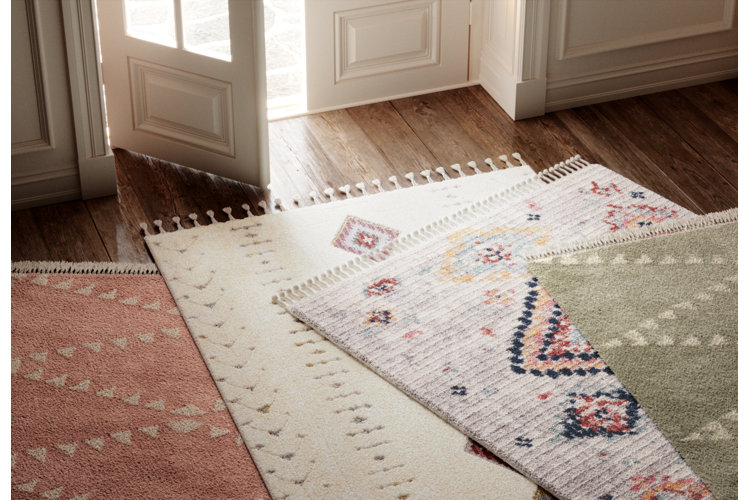
Selecting the ideal rug for the job does require a little knowledge to ensure you pick the best one for the job. The weight of a rug is just one of the factors that can contribute to the quality of the floor covering you choose. Read this guide to learn about rug weight and just what it means.
What Is Rug Weight?
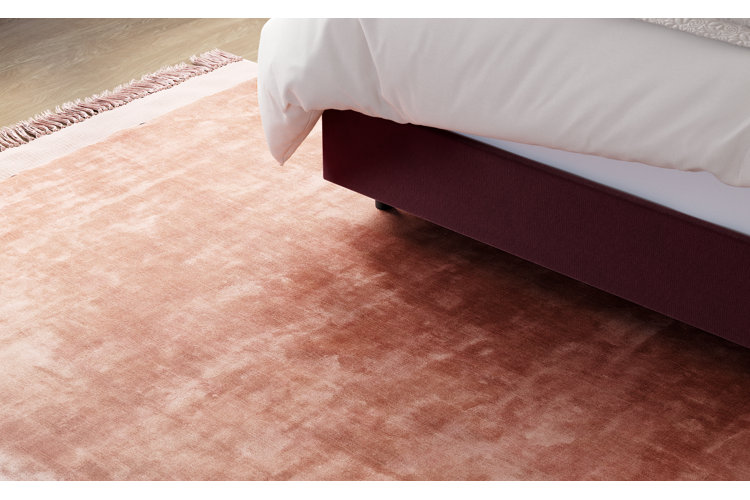
The weight of a rug, or the face weight, refers to the density of the fibers per square yard and does not include the weight of the backing material. Retailers often use the rug weight as a selling point, although this does not always mean that rug is better quality than others – especially when compared against different rug types.
Heavier rugs are often more durable and tend to last longer than lighter ones – although this does also depend on the type of rug. At the same time, rugs that are heavy are a little more difficult to carry around. However, they are less likely to move around once placed on the floor.
Lighter rugs are usually easier to clean since they can be moved around more readily. At the same time, this does also mean the rug may be prone to slipping around on the floor – making them a tripping hazard.
What Makes Rug Weight?
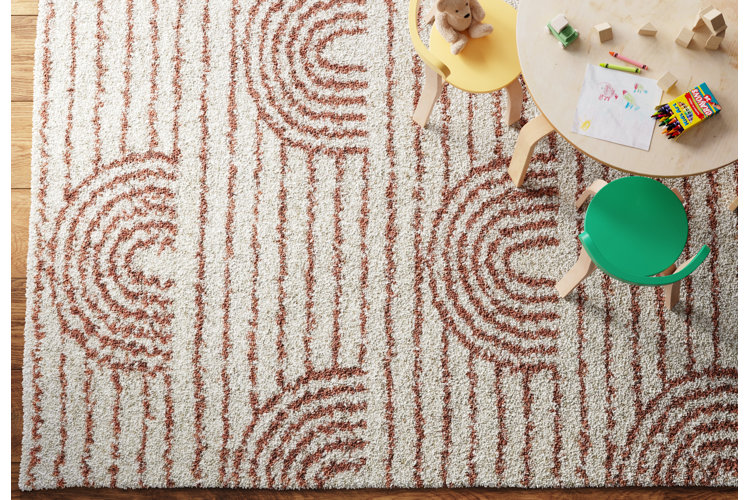
Although most rugs are made up of different layers which can include the yarn face, primary and secondary back, and the padding, it is only the rug face that constitutes the rug weight. This weight is directly impacted by the type of material used to make the rug. Some materials are heavier than others – for example, manufactured fabrics such as nylon and polyester are much lighter than natural ones like wool and jute.
That being said, it is impossible to measure two rugs made from entirely different materials against one another and use that weight as a gauge for the quality level. If you attempt to contrast different rugs against one another – especially those constructed from varying materials – the rug weight will have no real meaning because those fibers are naturally weighted differently.
The weight of a rug is only important when you are comparing identical rugs made from the same material and in the same style. In this instance, the heavier weight will often indicate a better quality as this means more yarn making a denser rug. A lighter rug doesn't always mean lesser quality however, as many rugs are designed to be both lightweight and durable. For this reason, you should consider all aspects of a rug before making your decision.
As mentioned before, the weight of a rug is directly dependent on the type of material it is composed of. The entire rug weight with the pad or backing can range anywhere between 5 lbs. to 40 lbs., depending on the size and material. However, the rug face can have a broad array of weight measurements. Below are a few examples of different area rug weights:
Rug Weight By Rug Size
3' x 5' area rugs usually weigh between 3 lbs. to 10 lbs.
5' x 8' area rugs typically weigh between 10 lbs. to 40 lbs.
8' x 10' area rugs can weigh anywhere from 15 lbs. to 60 lbs.
9' x 12' area rugs weigh around 35 lbs to 90 lbs.
12' x 15' area rugs can weigh between 50 lbs to over 100 lbs.
Tip!
Need help choosing the right area rug? Check out guides to find simple tips:
How to Choose the Best Rug Material
How to Choose the Right Rug Sizes
