Types of Fencing: What You Need to Know
Pick the right fence for your yard.
When it comes to the different types of fencing, there is a variety of designs and materials to choose from. Whether you are updating your current fence or installing a whole new one, this guide will cover everything you need to know about each type and help you select the right fencing for your home.
Types of Fencing Designs
Fences can be used for many different purposes. They can keep your pets and children safe inside your yard, help reduce any neighboring noises and wind, and make your yard more private.
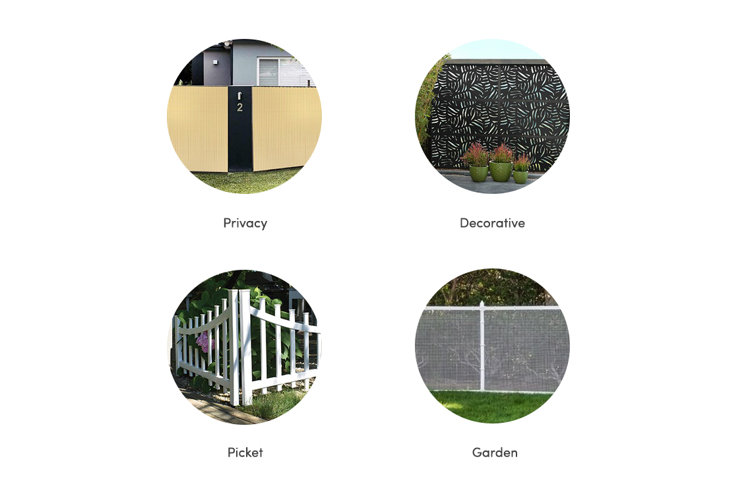
There are four main design types to choose from:
1. Privacy
Privacy fences are typically made of vinyl or wood, providing the most privacy possible. These fences are perfect for keeping pets and children in your yard, allowing them to play both freely and safely. Depending on the material that you choose, you can often stain or paint privacy fences to match the style of your home.
Tip!
Read Types of Privacy Fences to Add Extra Seclusion to Your Home to learn more about these fences.
2. Decorative
Decorative fences are commonly selected for aesthetics over function. They come in a range of styles and materials, so you're bound to find an option that will enhance the look of your space.
Tip!
Want to add extra lighting in your yard? Hang string lights over your fence to add a touch of illumination for a perfect backyard oasis at night.
3. Picket
Picket fences have a classic design and tend to be short with wide gaps between the slats, resulting in less privacy. They are typically made from wood or vinyl and are a great addition to any cottage-style home. Picket fencing allows animals to see out but keeps them safe inside your yard.
4. Garden
Garden fences protect your plants and flowers from animals and help delineate your garden area from the rest of your yard. They can be used to protect flower beds in front of your house.
Tip!
Don't forget a gate! They make it easy to get equipment – such as lawn mowers and Weedwackers – into your yard. Make sure you measure the width of your lawn mower to ensure it can fit through the gate.
Fences also come in a variety of materials. Keep reading below to learn more about the different types of fencing materials and their individual properties.
5. Metal
Metal fencing is a sturdy and durable option that can add privacy and/or security. There are four common metal fence materials to choose from: aluminum, wrought iron, steel, and chain link. Each one is long-lasting and available in different sizes, colors, and designs. Aluminum fences are lightweight and rust-resistant, and they are often used for privacy around swimming pools and driveway gates. Wrought iron fences are classic and low maintenance, offering a highly decorative look that is often used around residential properties. Note: This is the most expensive metal fencing option, but it offers a fair amount of security (especially when featuring spikes along the top). Steel fences fall between wrought iron and chain link in terms of cost while providing a strong barrier that is suitable for mid-range security. Chain link fences are the most budget-friendly option and are often placed around properties to keep pets from running into the street.
6. Vinyl
Vinyl fencing is a strong, attractive, and low-maintenance option that can last for 20–30 years. It is typically made from high-quality PVC, which will not rot, splinter, or require painting. It comes in many different styles, allowing you to choose from a range of designs for your security, privacy, or decor needs. Vinyl fencing typically has the appearance of wood, and while it does have a higher upfront cost, it can save you money in the long run thanks to its durability and low upkeep requirements.
7. Composite
Composite fences are an eco-friendly mix of recycled wood fibers and plastic. They look like wood but have the benefits of plastic, meaning they are low maintenance, less likely to warp, and more resistant to insect damage. Since they come in many different styles and colors, composite fences are great for security, privacy, and decoration. While composite fences may have a higher initial cost, they are extremely durable and require very little upkeep, making them a smart investment.
8. Bamboo & Reed
If you are looking for an affordable and environmentally-friendly option, bamboo or reed fencing is a great solution. The golden bamboo or reeds are made into panels, creating the perfect wall of privacy around any area you prefer – whether that be a pool, yard, or other outdoor space. Both are lightweight and long-lasting materials that are easy to install and have a natural, tropical feel with a budget-friendly price tag.
9. Wood
Because there are so many types of wood fencing, it is one of the most popular and versatile options available, able to be used for both privacy and security. Wood fences come in many different styles and heights, ranging from purely decorative yard borders to complete backyard enclosures, and they can be customized with a stain or paint. We recommend pressure-treated wood to increase resistance to rot and bugs. Keep in mind that you will need to regularly care for and refinish the wood to ensure it doesn't warp or rot over time. To find out if the wood has been pressure treated, check out the "Specifications" tab on the product page.
10. Electric
Invisible electric fencing is becoming more common for containing pets and is more discreet than your classic fence. Keep in mind, these electric fences use an electromagnetic field and a shock collar to keep your pets within a certain area. Invisible electric fences do not prevent other animals from entering your yard, so you will want to keep an eye on your pets and children. Check your electric fence periodically, especially if the power goes out, to make sure it is working correctly.
Tip!
Once you've selected the type of fencing you think will work best in your yard, read How to Install a Fence to learn how to install yours.
Considerations When Buying a Fence
When purchasing your fence, you need to decide what you intend to use it for. That will influence which type of fence will work best for your needs.
Privacy: Keep your yard free from prying eyes with a tall fence made with an opaque design. Avoid fencing with an open-air design, such as chain link, for optimal privacy. Instead, opt for a privacy fence that creates a solid barrier.
Security: If added security is your goal, ensure that your fence is at least 6ʹ tall, making it hard to climb. You can also add spikes or pickets to the top of your fence.
Safety: Use your fence to enclose a specific area, like a pool, to help avoid any accidents. It will also keep animals from crossing through your yard, create a safe space for your children to play, or ensure that your pets have an enclosed outdoor space away from the road.
Decor: Fencing can act as a great decorative addition to your yard and will work well with your landscaping and flower gardens. Well-maintained fences also add plenty of curb appeal to your home, enhancing the aesthetics and resale value.
Tip!
Before purchasing a fence, check your local zoning laws and city guidelines to make sure you are staying up to code.
