Types of Spatulas for Every Occasion
Whether you're flipping burgers or icing a cake.
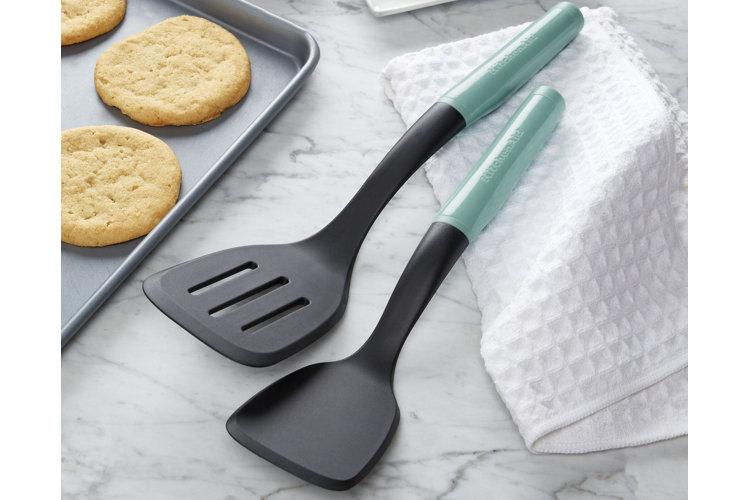
Spatulas are essential cooking utensils for flipping pancakes on a griddle, spreading icing on a cake, or cooking burgers to perfection on the grill, but did you know there's a right and a wrong kind of spatula to use depending on the type of food and your cooking activities? In this guide, we outline the types of spatulas that everyone should have in their kitchen, whether you're a novice home cook or a grill master.
What Is a Spatula?
Types of Spatulas
What Is a Spatula?
A spatula is a versatile cooking utensil that people use when grilling, cooking on stovetops, and while baking. Most spatulas have a long handle attached to the flipping/turning portion. The flipping portion of the spatula is typically wide and/or long and has a blade/thin edge at the end to make it easier to get the spatula underneath food.
Types of Spatulas
Spatulas come in a variety of designs and materials and some are specially designed to help you cook and maneuver specific cuisine like cuts of meat or fish. Get acquainted with the options available to you by reading further or jump ahead to a particular spatula:
Solid
Slotted
Perforated
Turner
Grill
Fish
Baking
Metal
Wood or Bamboo
Silicone or Nylon
Solid
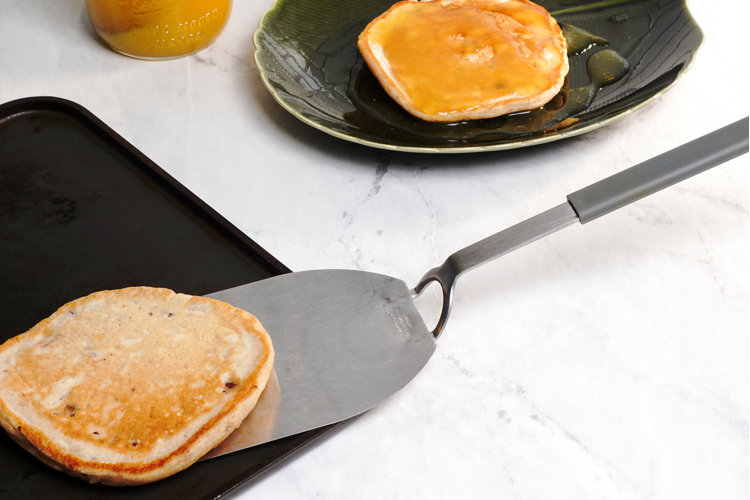
If you're wondering where to start with your spatula search, the solid type of spatula might be the way to go. Solid spatulas have a flat flipping portion that doesn't include slots or holes. This means there aren't any openings for food or batter to fall through. For this reason, solid spatulas are perfect for flipping pancakes, sandwiches, and other food that could crumble up or lose pieces when flipped. Similarly, solid spatulas are used to press food down onto a grilling or cooking surface to help flatten or sear items as you make them. You can also count on a solid spatula to flip and transfer heavy items like steak, chicken breasts, and other more generous cuts of meat because of its solid construction. Not to mention, when it's time to transfer items from the cooking surface to the plate, solid spatulas don't allow for any tasty bites to slip through (great for dishing out casserole!).
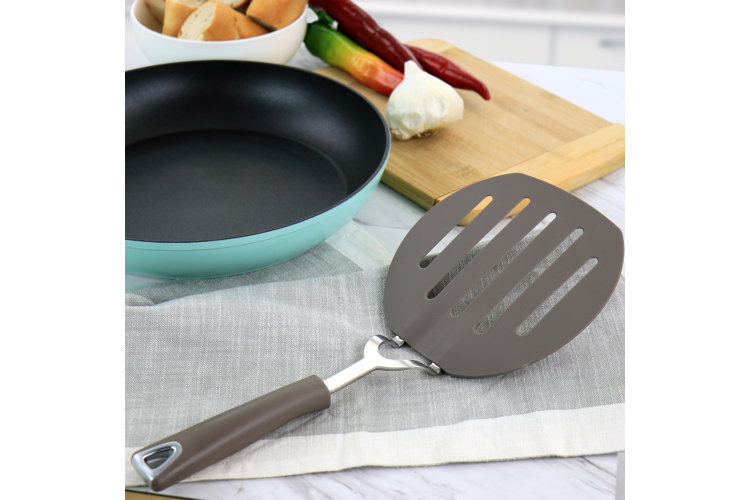
Slotted spatulas have the iconic look we associate with spatulas. They include a handle attached to a flipping surface with vertical slots. The slotted design has many purposes. For one, it encourages food to unstick from the cooking surface, as the vertical slots help get air beneath the food and slide the food onto the spatula. Its slotted design makes it perfect when flipping omelets, crepes, and other items that you don't want to break up by accident when flipping or transfering. The slots also help drain oil, meat juices, and other cooking liquid when transferring cuts of meat from the cooking surface to a plate so there isn't excess liquid with your burger.
Perforated types of spatulas have holes in the flipping surface instead of slots. These spatulas are ideal for grilling because they still have holes to help get air under food to unstick/flip food with ease and to remove liquid/oil. However, these are usually stronger and heftier than slotted spatulas because they're shaped more like a solid spatula and have smaller gaps in the flipping surface. This makes perforated spatulas suitable for flipping burgers, steaks, chicken breasts, and other large or heavy food items.
Also called flippers, turners are the standard for spatulas in terms of design. Turner spatulas can be solid, slotted, or perforated, and they have thin edges to help get under food, as well as generous flipping surfaces to make the flipping/turning process a breeze. These spatulas also come in a range of materials, from wood to metal and silicone.
Grill spatulas usually have an extra-wide/extra-long flipping surface that allows you to flip or transfer multiple food items at once. They can be solid, slotted, or perforated. The distinguishing factor for grill spatulas is that they're typically made of metal like stainless steel. This material can withstand the excessive temperatures that grills omit, unlike wood or plastic spatulas. Its metal construction also makes a grill spatula more durable and able to support the weight of large cuts of meat and other food items.
Tip!
Here's our guide to our go-to BBQ Essentials to Set Your Next Backyard Party Up for Success.
Fish
Fish spatulas are designed to flip and transfer cuts of fish or a whole fish without damaging the tender meat/getting stuck on scales. These spatulas are usually slotted to help get under fish meat and flip it without it slipping. Fish spatulas also have a distinctive elongated flipper portion that has a slight scoop configuration at the end. The scoop portion not only makes it effortless to flip fish over, but it also holds it in place as you transfer it to a plate. Fish spatulas are available in stainless steel, silicone, and wood materials.
Baking spatulas, also called icing or frosting spatulas, are different types of spatulas compared to traditional turners. These spatulas aren't even used for flipping or turning food. Instead, they're used for mixing or scraping batter out of mixing bowls and evenly spreading frosting on cakes and other baked goods. Baking spatulas are usually made entirely of flexible silicone or else have a silicone head attached to a wood or metal handle. This spatula’s flexible construction, solid design, and thin edges makes it easy to get every ounce of batter or frosting out of the mixing bowl and into a baking pan or onto baked goods. In addition to traditional icing spatulas, there are also bench scrapers. These are under the same category as baking spatulas because they're used to cut, turn, or transfer pastry or bread dough. Bench scrapers can also help cut/divide cooked baked goods like brownies or sheet cakes. Bench scrapers have a wide rectangular blade, usually made of metal, attached to a wood or plastic handle.
Tip!
Check out our list of Cake Baking Essentials for other must-have baking utensils and accessories.
Metal
Metal spatulas are typically made out of quality stainless steel because it's super durable (good for flipping or transferring heavy cuts of meat) and it can withstand high heat (600°F–1000°F or hotter), which makes it a preferable spatula material for grilling activities. Refrain from using metal spatulas on non-stick or coated cookware surfaces because they can scratch and deteriorate the surface. Metal spatulas are available as solid, slotted, or perforated designs and are sometimes paired with wood or silicone handles for a comfortable grip. But perhaps the best part? These spatulas can usually go in the dishwasher for an easy clean. If you're looking for a spatula that can last years and years, stainless steel is the way to go.
Wood or bamboo spatulas are usually made partially or entirely of wood or bamboo materials and come in solid, slotted, or perforated flipper designs. These spatulas are considered eco-friendly because they are made using only natural materials and therefore won’t contribute to plastic waste. The nice thing about using a wooden spatula is that it doesn't conduct heat like metal (no piping hot handles). This makes them perfect for a range of cooking activities. This spatula material is also gentle enough to use on non-stick cookware without worrying about scratching or damaging the surface. Just refrain from using wooden spatulas around the grill. Wooden spatulas do best when handwashed and dried.
Silicone and nylon spatulas are made from plastic components to achieve a flexible, rubber-like feel. Both of these spatula types are available in solid, slotted, or perforated designs and range from classic turner spatulas (perfect for flipping burgers or pancakes) to those designed for baking (perfect for covering baked goods in delicious icing). They really only differ in price, as silicone is slightly more expensive than nylon. Silicone spatulas can withstand temperatures between 500°F–600°F, while nylon is around 400°F, making both ideal for most stovetop cooking activities. They are also safe to use with nonstick pans. However, refrain from using them on the grill as the excessive temperatures can cause them to melt. When it comes to cleaning, it's super easy to remove food or grease from silicone or nylon spatulas because of their smooth surfaces. You'll also be happy to know that these spatulas can go on the top rack of the dishwasher.
You Might Also Like:
Browse our wide selection of spatulas, now!
