Types of Water Valves
A guide to plumbing valve types.
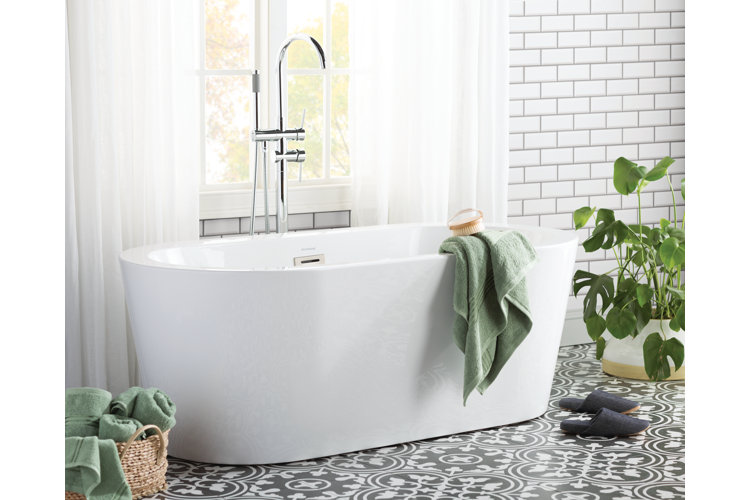
Any kind of indoor plumbing renovation is a huge project. There are a lot of details to consider, and it's important to know when to call in a professional. To get you started, here's a basic guide on the common types of water valves for home plumbing.
What Is a Valve?
Water valves regulate the flow and temperature in pipes and plumbing fixtures. These valves can significantly impact the usability of your home in either your bathroom, kitchen, or even outdoor sprinkler systems. Here are the five main types of water valves and how they specialize in plumbing.
5 Common Types of Water Valves for Home Plumbing
Valve Types
- Supply Stop: These types of water valves are used in applications that shut off the flow of hot or cold water to a plumbing fixture, such as a faucet, ice maker, or dishwasher. Typical supply stop valves are either ball valves or gate valves. These are popular for their speed, durability, and how they control the rate of the flow of water. They can move water in a slow trickle, as opposed to the full flow, but do not cause an immediate stop.
- Pressure-Balancing: Also called pressure-reducing valves, pressure-balancing valves reduce water pressure in plumbing systems, often to a specific limit. A pressure relief valve protects the water system by releasing steam and hot water if the pressure within the system becomes too high.
- Thermostatic: A thermostatic valve is a specific type of pressure balancing valve. The main difference being that a thermostatic valve senses and controls the actual water temperature, while a pressure-balance valve only senses and controls the ratio of hot water to cold.
- Diverter: Diverter valves switch the flow of water between a tub and shower – allocating the water flower to either the shower head or the tub faucet. A diverter is a necessary tool for showers with more than one outlet point like a shower head, hand shower, or tub faucet. There are several types of diverter valves, single-, two-, or three-valve diverters, depending on how many water outlets there are.
- Cartridge: A shower cartridge isn't a type of shower diverter, but a type of faucet-stem valve assembly. Most notably, a shower cartridge has holes that regulate water pressure and temperature when you turn the handle. It also has several plastic components, whereas a diverter is primarily made of metal with rubber washers.
Shower Valves: A shower primarily functions with the use of a pressure-balancing valve. This helps to rebalance the water pressure to keep it from becoming excessively hot.
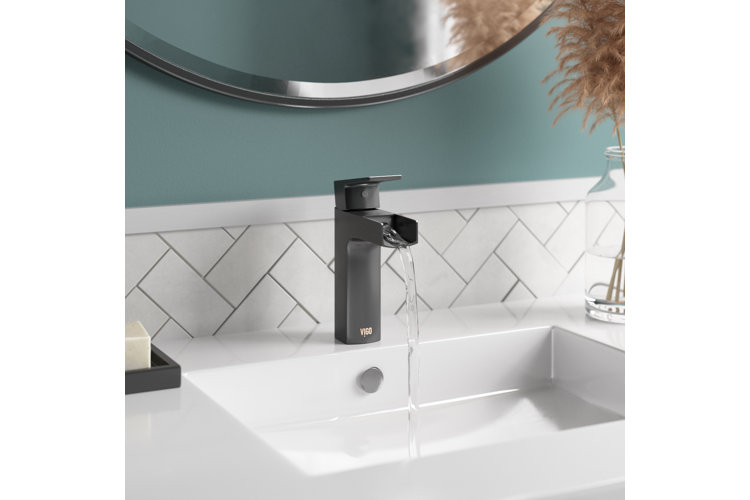
Bathroom Faucet Valves: Faucets operate with a combination of ball and cartridge valves. They help to not only control the rate of the water pressure, but also help to regulate the temperature of it.
Tub Valves: Diverter valves are often found in tubs thanks to their versatility and ability to divert water from the tub faucet or shower depending on the current need.
Tub & Shower Valves: Again, diverter valves are integral when operating a tub/shower combination. It can also be valuable to utilize a thermostatic valve to protect the temperature range that occurs in going from a tub water flow to a shower water flow.
Toilet Valves: Supply valves are the dominating valve type seen in toilet tanks. This control helps distribute water pressure when refilling the toilet tank and bowl. They are also most useful when you need to temporarily shut off the water supply when making repairs without completely cutting off the water.
Kitchen Faucet Valves: In a kitchen with a faucet and detachable sprayer, a diverter valve is an appropriate choice in your kitchen plumbing. Help control the pressure that comes from each water outlet and also prevent the temperature from being too hot when you're hand-washing dishes.
Valve Mounts
Wall Mount: A wall-mount faucet is one that mounts directly to the wall. Wall mounts are a great space saver because they provide a longer reach and more space under spout. Many of the faucets used in kitchen sinks are wall-mounts for convenience like fitting large pots and pans under the water stream.
Deck Mount: As opposed to the wall mount, the deck-mount alternative installs directly on the tub deck or countertop. Remember, if you want to install a deck mount faucet, the number of holes on your sink is important to feed the appropriate handles and spouts.
Metal: Brass, stainless steel, bronze, cast iron, and galvanized pipe are all examples of metal materials used in types of water valves. The benefits to a metal water valve is that they are most resistant to corrosion. Their durability makes them ideal for projects both inside and outside the home.
Plastic: Water valves made of plastic are mostly substitutes for metal for the sake of their easy installation and maintenance. Plastic valves are lighter and easier to handle, and because of their smooth interior surface, they are less prone to the type of corrosion caused by limescale.
There are several types of water valves, each of which have their own benefits and specific uses. It's very easy to get overwhelmed, so don't be afraid to reach out for a professional opinion. For more in-home plumbing projects, check out our other home improvement supplies.
