What Are the Benefits of a Dehumidifier?
Breathe in the benefits.
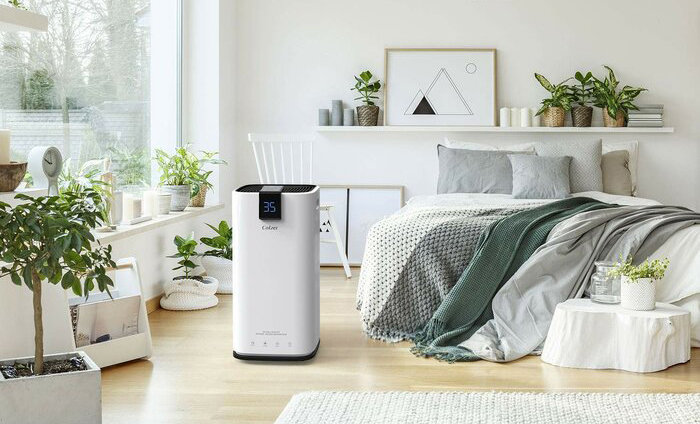
A dehumidifier balances the air in your home, making your space more comfortable to live in. There are many benefits of a dehumidifier, from preventing dry skin to discouraging dust mites. Read on to learn more about dehumidifiers.
What Does a Dehumidifier Do
What Are the Benefits of a Dehumidifier
When Should You Use a Dehumidifier
What Does a Dehumidifier Sound Like
How Different Dehumidifiers Work
Dehumidifier Sizes and Considerations
Dehumidifier Features
What Does a Dehumidifier Do

Dehumidifiers remove excess moisture from the room, leaving your space with drier, more comfortable air. A fan draws moist air inside the dehumidifier and across refrigerant coils that cause water to condense, letting dry air flow through the other side and back into the room.
What Are the Benefits of a Dehumidifier?
Whether you're looking to relieve your allergies or prevent mold from growing in damp spaces, here are the top five benefits of a humidifier.
1. Allergy Relief
Allergens in the air can cause symptoms like coughing, wheezing, sneezing, or itching. A dehumidifier dries out the air, which can help inhibit the amount of irritants that thrive in damp conditions.
2. Mold Prevention
Mold and mildew are prone to growing in damp spaces, such as basements and bathrooms, and can spread easily across carpet, windows, fabric, or wood. The growth of mold and mildew can lead to symptoms like irritation, illness, and congestion. Because mold and mildew can be tricky to treat, a dehumidifier is a great way to prevent it from growing entirely.
3. Musty Smell Prevention
In damp spaces like a bathroom, basement, or laundry room, excess condensation from moisture in the air can lead to a musty odor that permeates the carpet, upholstery, or other fabrics. A dehumidifier removes the excess moisture to keep your space dry and fresh-smelling.
4. Prevention of Dust Mites and Insects
Dust mites and insects thrive in humid environments, so using a dehumidifier can effectively cut down on the amount of pests in your home. A dehumidifier will ensure your home's humidity stays at a comfortable level and keeps your space pest-free.
5. Protection Against Water Damage
If you deal with flooding or leaks, a dehumidifier can help remove excess water by absorbing the moisture in the air. This is great for climates that experience frequent rainfall or floods, or if your plumbing and appliances are prone to leaking.
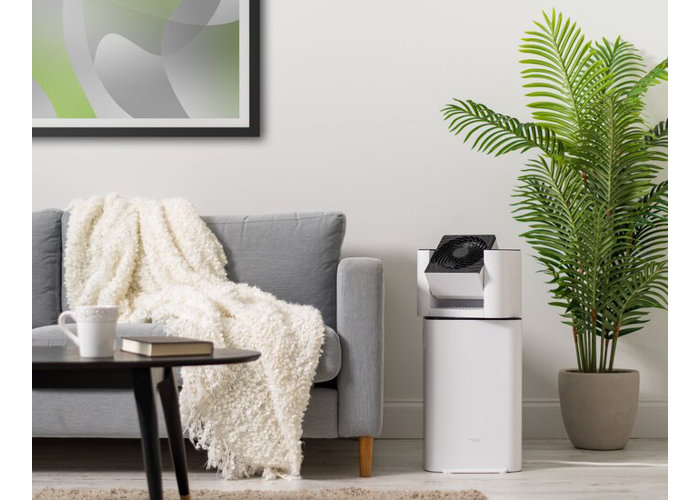
There are many specific problems within a home that a dehumidifier can improve. Excess moisture in the air can affect paint quality, allergies, musty smells, and more. Keep reading to identify the situations where a dehumidifier may be needed to nip house maintenance problems in the bud.
Mold on Walls & Surfaces
Moist, warm air creates the perfect environment for mold and mildew to grow. Certain kinds of mold can be harmful to breathe in and can cause negative long-term health effects such as asthma and allergy sensitivity. Dehumidifiers remove moisture from the air, making your home less habitable for mold. Dehumidifiers do not kill mold, but they do prevent it from spreading and taking hold in the first place.
A Musty Smell
Mold can also introduce funky, musty smells to your home as a result of the moist environment. This smell can unpleasantly stick to walls, furniture, and even your clothes. When dehumidifiers remove moisture and prevent the growth of mold, they also remove the musty smells that accompany mold. If you’ve been noticing a strange smell in your home, try a dehumidifier to remove it from your space.
Signs of Dust Mites
Dust mites, like mold, thrive in a moist environment and can trigger asthma and allergies in humans. Dust mites feed off of shed human skin cells and tend to live in couches, mattresses, or rugs. If you have been experiencing increased asthma symptoms at night, including sneezing, a runny nose, itchy eyes, or facial pressure, you may have a dust mite allergy. Using a dehumidifier will create a dry and inhospitable environment for dust mites, preventing growth of dust mite colonies.
Asthma or Respiratory Issues
Since a dehumidifier prevents mold, dust mites, and other allergens, by effect it may improve symptoms of asthma or respiratory issues. Consider trying a dehumidifier in your bedroom or other commonly used space and observe the effects on your symptoms.
Peeling Paint & Water Stains
If you are trying to prevent minor water damage in a bathroom, running a household dehumidifier after a shower should help keep condensation off the walls and protect paint. Using a high-capacity household dehumidifier in your basement can also help regulate humidity levels and prevent water damage. Try running a fan and dehumidifier together to get some of the moisture out of the air and walls. If you have noticed water stains or peeling paint on your ceilings or walls, particularly in humid spaces like your bathroom or basement, you may want to try pairing professional help with your own dehumidifier (advanced water damage should be treated solely by a professional).
Moldy Bread
If food items in your kitchen cabinets or pantry seem to be developing mold quickly, using a dehumidifier can remove moisture and help keep mold at bay. Try putting mini dehumidifiers in your cabinets to address the problem – many are wireless and easy to use in cabinets.
An Insect Problem
If you have an insect problem, particularly in damp areas of the house, a dehumidifier may help. Insects usually have exoskeletons that dry out easily – moist environments help protect their exoskeleton. By lowering moisture levels in your home, you may chase out unwanted insects.
What Does a Dehumidifier Sound Like
A dehumidifier has many operating parts that produce different sounds. You may hear the sound of air being pulled in and pushed out by the fan and the sound of water dripping into the basin inside the machine. You may also hear the dehumidifier cycling on and off as it maintains optimal humidity levels, much like your A/C periodically turning on and off.
Dehumidifiers are typically quieter than a window A/C unit and operate around 55–60 decibels, which is about the same level of human speech. Larger dehumidifiers will be louder than smaller ones – in spaces that require quiet, you may want to opt for a smaller dehumidifier.
How Different Dehumidifiers Work
Get a more in-depth understanding of which type of dehumidifier works best for your needs by reviewing these dehumidification methods:
Mechanical/Compressor Dehumidification:
Sometimes called "refrigerative" dehumidification, dehumidifiers with the mechanical/compressor method use condensation. The machine draws in damp air and uses a refrigerated coil to transform it into condensation (water droplets). These droplets then drip into a water reservoir. The remaining air is reheated and released from the machine back into the room – minus the excessive moisture.
Pros:
- More budget-friendly
- Works well in humid environments because the compressor needs to be lower in temperature than the surrounding air in order to work properly
- Saves your energy consumption in the long run because uses a natural process
- Ensures an even, consistent room temperature (perfect for wine cellars)
Cons:
- Less efficient in colder areas due to the lack of warm air to create condensation
- Lowers eco-friendly potential with the use of a refrigerant
- Can be larger in configuration and louder than desiccant methods due to the need for a compressor
Desiccant Dehumidification:
Like the mechanical/compressor method, the desiccant method uses a fan to bring humid air into the dehumidifier. However, instead of exposing the warm air to a refrigerated coil to produce condensation, the desiccant model uses a rotating wheel. The wheel typically has a desiccant substance on it that dehydrates the air as it passes through. The resulting water stays rotating on the wheel. Instead of collecting moisture in a water reservoir, desiccant models have a second fan on the other side of the wheel. This fan creates another airstream that gets heated up and passed through the wheel. This process eliminates any moisture remaining and releases warm dry air outside.
Pros:
- Super versatile, functioning well in hot or cold areas
- Allows for smaller configurations and quieter noise output since there’s no need for a compressor
- Turns out 3–5% warmer air while also removing humidity (great for saving energy costs during cold months)
Cons:
- Can be on the higher end of the price spectrum
- May output more warm air than you desire during warmer months
Tip!
To determine what type of method a dehumidifier uses, review the specifications tab below the product description.
Dehumidifier Sizes and Considerations
Make sure you choose the best dehumidifier for your space by picking one that matches your room's size and dampness levels. We recommend sizing up your dehumidifier to the next room size so you won't have to run it on the highest setting (Ex: Small room? Try a medium size dehumidifier). This will help you save on costs in the long run and prolong the life of your dehumidifier because you can operate it on a lower setting for longer while still achieving the same great results.
With this consideration in mind, check out the available dehumidifier sizes available for each room:
Personal Space: Up to 200 sq. ft.
Small Room: 200–500 sq. ft.
Medium Room: 500–1,000 sq. ft.
Large Room: 1,000–2,000 sq. ft.
Extra-Large Room: Over 2,000 sq. ft.
You may also want to size up your dehumidifier, regardless of room size, to accommodate excessively damp conditions. Purchase a moisture meter at your local hardware store to test humidity levels in a particular room. Browse dehumidifiers by moisture-removal capacity (measured in pints removed per day) to find a dehumidifier that can effectively dry your damp spaces. Removal capacity does not always reflect a dehumidifier’s size, so you can still potentially remove a lot of moisture from your space’s air without the need for a large dehumidifier:
Mini (1 Pint or Less): Ideal for treating compact spaces with water damage
Small (2-30 Pints): Ideal for treating humidity levels that read below 50% on the moisture scale
Medium (31-50 Pints): Ideal for treating rooms with moderately damp conditions (50–60% humidity)
Large (51-70 Pints): Ideal for wet room conditions that have 70–85% humidity
Extra-Large (More than 70 Pints): Ideal for treating extremely wet room conditions with 85–100% humidity
Electronic Display
Navigate different settings with an easy-to-read electronic display. This feature allows you to quickly access the settings like the humidistat or check the tank capacity.
Tank Full Indicator
This super helpful feature ensures your dehumidifier keeps running smoothly since the machine may not be able to operate properly with a full tank. The “tank full” indicator usually includes a light that automatically goes on when it's time to drain it so you don't have to guess when to check on the water level.
Basement-Approved
When a dehumidifier is “basement-approved”, it means it has the ability to operate in extremely damp conditions that encounter issues like flood damage, water leaks, or mold.
Adjustable Humidistat
An adjustable humidistat is used to adjust humidity levels in a room. You can select the percentage of humidity you would like and adjust it to your tastes – the recommended home humidity level is a range from 45% to 60%.
Automatic Shutoff
Dehumidifiers with an automatic shutoff feature will stop operating once the desired humidity level is achieved. The humidifier will turn back on if the humidity level starts to change.
Continuous Draining
Some dehumidifiers include a spigot where you can attach a hose for water drainage. You can drain water through a hose into a basement sink or other drainage point – this is a great feature because you will not have to empty water from your dehumidifier.
ENERGY STAR Compliance
ENERGY STAR is the EPA (Environmental Protection Agency) label for energy efficiency. ENERGY STAR–compliant dehumidifiers meet strict standards for energy usage that will help you save money. These dehumidifiers use about 15% less energy than the industry standard.
Tip!
Ensure your dehumidifier comes with a drain hose by purchasing one that specifies “drain-hose included.”
Wheels-Included
Move larger dehumidifiers from room to room with ease by browsing for dehumidifiers with this feature.
Number of Fan Speeds
Some dehumidifiers come with multiple fan speeds so you can adjust the speed based on the size of the room or the level of humidity in a particular area. Determine how many fan speeds a dehumidifier has by referencing the specifications tab under the product description on product pages.
