What Is a Montessori Bed?
Everything to know about Montessori beds and child-led sleep.
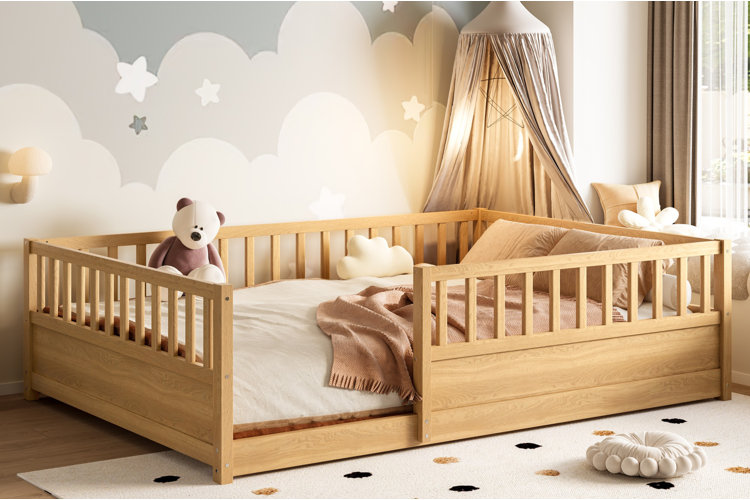
With their low-to-the-ground frames and child-friendly design, Montessori beds are designed to encourage independence from an early age. Wondering what exactly a Montessori bed is and whether this floor-level sleep setup is right for your little one? Keep reading for everything you need to know.
What Is a Montessori Bed?
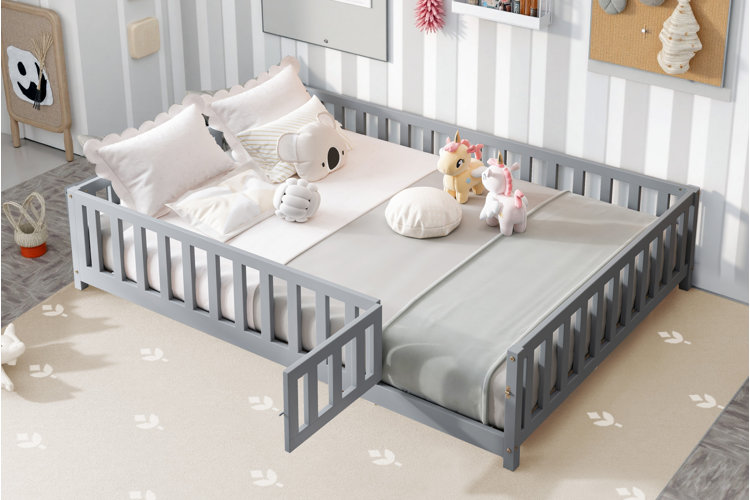
A Montessori bed is a low-profile bed frame, often placed directly on or close to the floor and designed to give children safe, independent access to their sleep space. Inspired by the Montessori method of education, this setup encourages freedom of movement, self-led routines, and confidence from an early age.
Unlike traditional cribs or elevated bed frames, Montessori beds eliminate high sides and restrictive bars. Instead of being lifted in and out of bed, children can enter and exit on their own. The result is a child-centered sleep environment that supports autonomy while still prioritizing safety.
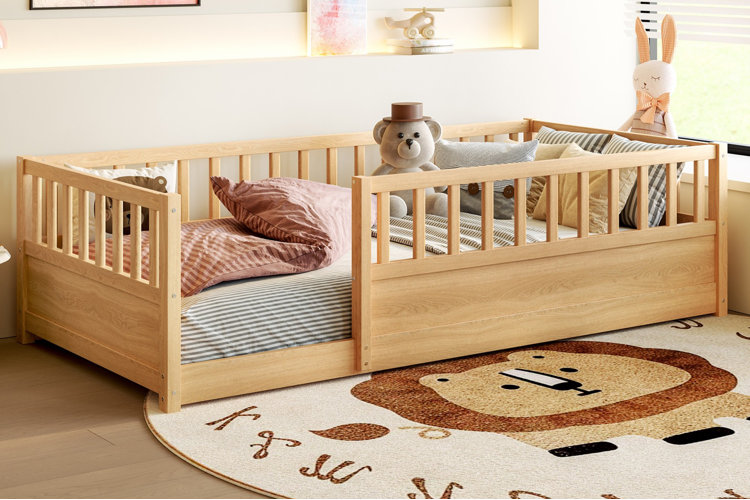
Montessori beds are distinguishable by a few key features, including:
- Low-to-the-Ground Design: Montessori beds sit directly on the floor or on a very low platform. This makes it easy for toddlers to climb in and out of bed independently while minimizing the risk of injury from falls.
- Open & Accessible Frame: Unlike cribs, Montessori beds do not have tall railings or enclosed sides. Some designs include short guardrails for added peace of mind while still allowing children to move freely.
- Encourages Independence: Because children can access the bed on their own, Montessori beds promote confidence, self-soothing skills, and more independent sleep routines.
- Simple, Minimalist Style: Most Montessori bed frames feature clean lines and natural materials like solid wood. This understated look aligns with the Montessori philosophy of creating calm, clutter-free environments that support focus and development.
- Multiple Size Options: From crib-size toddler mattresses to twin and full options, Montessori beds can grow with your child, making them a practical long-term solution.
Tip!
Most children transition to a toddler bed between ages 1 and 3 (though each little one is different and reaches milestones at different ages). Looking for more guidance on How to Transition From a Crib to a Toddler Bed? Read our guide for everything you need to know.
Pros & Cons of a Montessori Bed
Keep reading for an overview of the benefits and potential drawbacks of adding a Montessori bed to your child’s room.
Pros of a Montessori Bed
- Supports Independence: Children can move freely in and out of the bed, helping them develop confidence, autonomy, and self-regulation skills over time.
- Promotes Freedom of Movement: Without crib bars or high rails, children can explore their room safely (when properly childproofed), reinforcing independence beyond bedtime.
- Safer Low Height: The low-to-the-ground design significantly reduces the risk of injury from falls compared to elevated toddler or traditional bed frames.
- Long-Term Use: Many Montessori beds are available in twin or full sizes, making them a lasting investment that can transition with your child into the elementary years.
Cons of a Montessori Bed
- Requires a Fully Childproofed Room: Since children can exit the bed independently, the entire room must be safe for unsupervised movement – not just the bed itself. Parents should get down on the floor and inspect the room at a toddler’s level to scout any potential hazards.
- Sleep Transitions May Vary: Some children may take time to adjust to the added freedom compared to the contained feel of a crib. Consistent routines can help ease the transition.
- Less Traditional Containment: Parents accustomed to crib rails may initially feel uneasy about the open design, especially during the early toddler stage.
How to Choose a Montessori Bed
When selecting a Montessori bed, consider both your child’s developmental stage and your room setup.
1. Choose the Right Size
Younger toddlers often start with crib or toddler mattresses, while older children may transition directly to a twin. If you’re planning for long-term use, sizing up can be a smart investment.
2. Consider Guardrails
If your child moves frequently during sleep, a frame with partial guardrails can provide added reassurance without limiting independence.
3. Evaluate Mattress Comfort
Some Montessori beds place the mattress directly on the floor, while others use a slatted base for improved airflow. If humidity is a concern, a slatted platform may help promote ventilation.
4. Prioritize Room Safety
Since your child can get in and out of bed freely, ensure the bedroom is fully childproofed. Secure furniture to walls, cover outlets, and remove hazards to create a safe environment.
5. Match Your Aesthetic
Montessori beds come in a variety of finishes and silhouettes, from minimalist wood frames to playful house-shaped designs. Choose one that complements your child’s room and overall decor style.
