What Is a Roasting Pan?
The key to delicious creations.
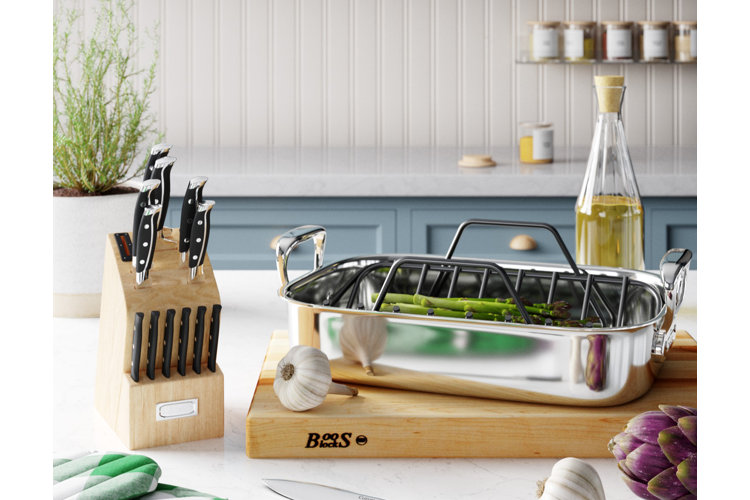
What is a roasting pan and why should you get one? In this guide, we define roasting pans and highlight their benefits, go over what to look for when shopping for a roasting pan, and list the best practices for using and cleaning a roasting pan.
What Is a Roasting Pan?
Benefits of Using a Roasting Pan
How to Choose the Perfect Roasting Pan
Ways to Use a Roasting Pan
How to Clean a Roasting Pan
What Is a Roasting Pan?
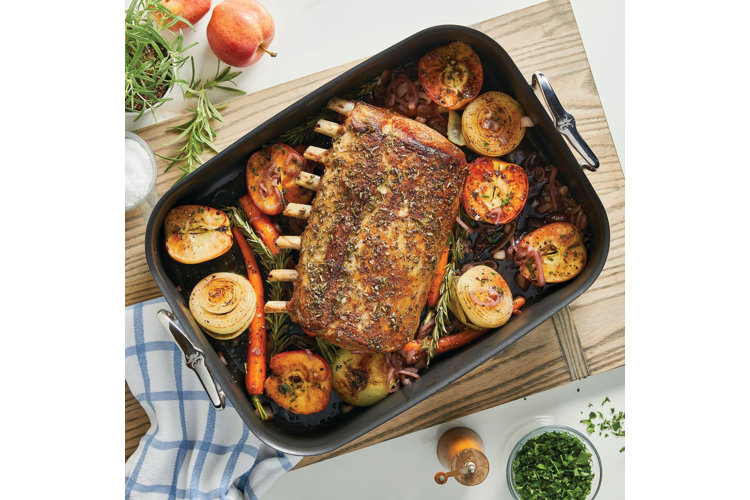
A roasting pan is a versatile piece of cookware designed to roast meat, vegetables, and other delicious recipes in the oven and sometimes on the stovetop for crispy, mouthwatering results. These are usually rectangular-shaped pans with at least 3" deep sides to support roasting activities for large cuts of meat and sliced veggies.
What Is a Roasting Pan Used for?
A roasting pan is used to roast large cuts of meat and vegetables at oven temperatures above 350°F. They're designed to evenly distribute heat and crisp/brown food for delicious results.
Roasting Pans vs. Dutch Ovens & Other Cookware
Roasting pans usually get compared to dutch ovens and baking pans because of their similar appearances and cooking purposes. Both roasting pans and dutch ovens provide even heat distribution to cook food. However, dutch ovens are usually deeper and designed to braise meats instead of roasting them. They're also deep enough to cook soups and stews. When comparing roasting pans and baking pans, the main differences are pan depth and uses. Baking pans have shallow sides that range from ½" – 2" deep, while roasting pans have an average depth of 3". Baking pans are also used for making cookies, sheet cakes, bread, and other baked goods rather than performing roasting activities.
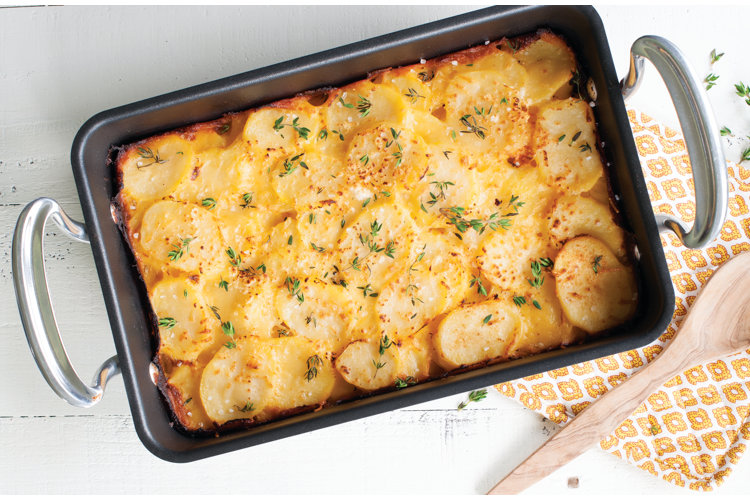
Now that we've answered "what is a roasting pan?", let's dive into the benefits of using a roasting pan in your cooking.
- Can Stand Up to High Heat: Roasting pans are designed to withstand high temperatures, particularly between 400–450°F: the ideal temperature range for roasting activities. Their tolerance to heat allows them to stay in pristine condition for years of use with no warping.
- Allows for Even Heat Distribution, Browning, & Crisping: The depth of a roasting pan allows for even heat distribution and the perfect balance of moisture and dry air. The result is delicious, crispy, perfectly-browned food that's still rich and packed with flavor. It's just deep enough to keep food moist, but shallow enough to crisp and brown food in the pan.
- Keeps Sauces & Meat Juices From Spilling: Roasting pans are designed to be deep enough to contain food, sauces, and meat juices or oils without worrying about spillage. Another added bonus? Roasting pans usually come with a compatible roasting rack that elevates meat off the bottom of the pan and creates a spot to catch meat juices and oils. Roasting racks ultimately help with air circulation and ensure every side of a meat roast is crisp and delicious. Learn more about the importance of a roasting rack in our What Is a Roasting Rack? guide.
How to Choose the Perfect Roasting Pan
With a better understanding of what a roasting pan is and the benefits of using one, it's time to find the perfect roasting pan for you. Follow these steps to help find the perfect roasting pan for your needs.
1. Start by Choosing a Material
Roasting pans are available in a wide range of materials that each come with their own benefits and characteristics. Stainless steel roasting pans offer the utmost quality. They can last for decades, disperse even heat, withstand high temperatures, and hold up even when used to cook acidic foods (think tomatoes or lemons). They can also go in the dishwasher! Aluminum is another great roasting pan material because it's slightly more affordable than stainless steel, is more lightweight, and still heat-conductive. Just remember to hand-wash your aluminum pans and be careful about what utensils you use (metal spoons/spatulas can scratch the coating). Roasting pans also come in other materials like carbon steel and cast iron. These are both excellent options for even heat distribution and high-temperature cooking. However, they're more likely to rust when they interact with acidic foods.
2. Consider Size & Shape
Roasting pans span multiple sizes and shapes to help cater to the type and scale of your roasting activities. Here's an overview of size and shape options to help you determine the best options.
Size: The typical size of a rectangular roasting pan is 16" long. However, roasting pans can range in size, including small (12 lbs. turkey), medium (16 lbs. turkey), large (20 lbs. turkey), and extra-large (25 lbs. turkey). Learn more about your size options in our guide on 5 Roasting Pan Sizes for Your Culinary Endeavors.
Shape: The roasting pan shape you choose depends on your preferences and what you plan to use your roasting pan for. As mentioned in our roasting pan definition, a rectangle is the traditional shape for a roasting pan. This shape allows you to roast large cuts of meat and vegetables at the same time. Oval-shaped roasting pans are specifically contoured to provide more room for large cuts of meat like a pork roast or whole turkey. They also have shallower sides to help crisp and brown meat to perfection. Round roasting pans are designed to roast whole turkeys vertically to ensure an even roast and crispy flavor.
3. Review Must-Have Features
When choosing a roasting pan, there are several convenient features to consider! From dishwasher-safe options to those with lids, roasting racks, or stove-compatible designs for versatile cooking, there are so many ways to tailor your roasting pan to your preferences. You can even browse for PFOA-free roasting pans.
The classic way to use a roasting pan is for a Thanksgiving turkey. However, there are so many other ways to use a roasting pan! Here are just a few examples of how to use a roasting pan and what you can make:
- Meatballs
- Enchiladas
- Kabobs
- Rotisserie chicken
- Roasted butternut squash
- Roasted mixed vegetables
- Brisket
- Barbecue chicken
- Deep-dish pasta/casseroles
- Bread pudding
- Potatoes au Gratin
- Roasted potatoes
- Short ribs
- Pork loin
- Roasted cabbage
- Beef tenderloin
- Roasted salmon
- Rice dishes
- Egg frittatas
- Leg of lamb
For more inspiration on how to use a roasting pan, check out these delicious recipes:
Ayesha Curry's Prime Rib Roast With Habanero Crema
Weeknight Dinners: Chicken Enchiladas
Gluten-Free Enchilada Casserole
Pork Tenderloin With Spice Rub
Easy One-Pot Sesame Chicken
How to Clean a Roasting Pan
The steps to clean a roasting pan will depend on the material it's made out of and whether or not it's dishwasher-safe or hand-washable. We recommend following the care instructions provided by the product manufacturer for the best results. Our guide, What Is Stainless Steel? goes over the best practices for cleaning stainless steel cookware. Considering a roasting pan made of cast iron? Take a look at Cleaning 101: How to Clean a Cast-Iron Pan to learn how to preserve and season one properly.
You Might Also Like
Now that you know what a roasting pan is, start browsing for your own!
