What Is a Tapestry?
If you're wondering "What is a tapestry?", you've come to the right guide.
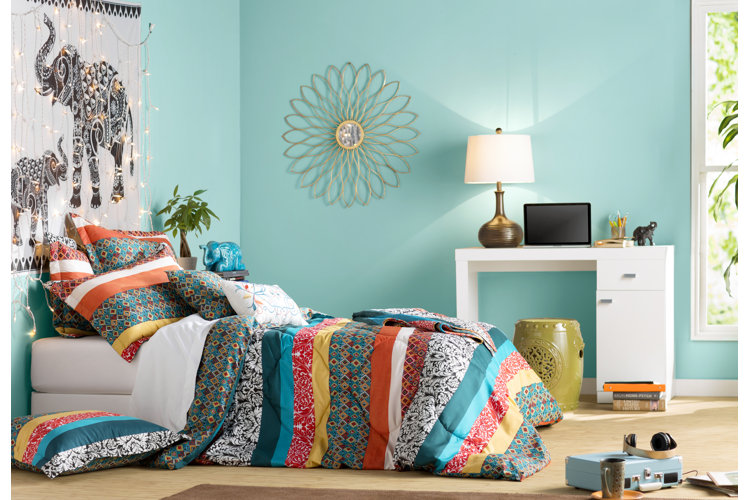
Tapestries have a long history that dates back hundreds of years –if you're wondering exactly what is a tapestry and how can you can use one in your home, keep reading.
What Is a Tapestry?
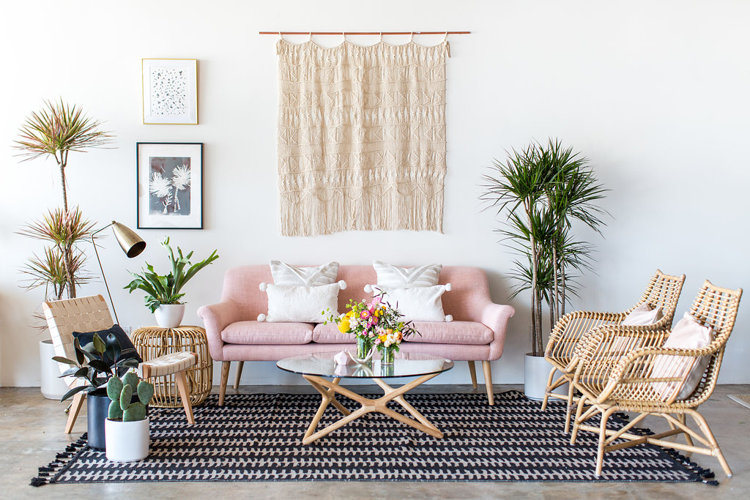
So, what is a tapestry? Traditional tapestries are beautiful sheets of woven textiles that are hung on walls as art. Modern tapestries are more than only loom-woven sheets – they are made of other materials like cotton and polyester, and with modern technology, graphic designs can be printed on them. Tapestries are a unique way to add color and texture to your wall decor.
Tapestry Sizes
Different size tapestries can change the look of your space. Read on to find the right size for you.
Mini: Mini tapestries are 10" to 17" wide, making them the smallest size. This size is great for hanging in a tight space, like above a desk or as part of a gallery wall.
Small: Small tapestries are typically 18" to 24". This size is great for decorating the space above a toilet to add personal flair to the bathroom.
Medium: Medium tapestries are 25" to 32" wide. They are a great size if you want a tapestry that is not too big and not too small – they'll fit nicely in most rooms in your home.
Large: Large tapestries are usually measure 33" to 40". If you want to cover a large space, this is the size for you. This size fits perfectly above the headboard of a bed – or you can even use a large tapestry instead of a headboard.
Oversized: Oversized tapestries are 41" or more, which makes them the largest size available. This size would look stunning as the centerpiece of any wall, behind furniture, or as a headboard.
Hanging Methods
How will you hang your tapestry? Read on to find the right hanging method that's best for how you want it displayed.
Hooks: Tapestries that are hung by hooks come with small holes at the top that allow for them to be hooked in place.
Pushpins: Tapestries secured with pushpins require easy set up. If you are renting, make sure you are allowed to use pushpins before putting holes in the wall.
Rod: Tapestries hung by a rod come with a rod. Simply attach it to the wall the same way you would if you were hanging a curtain rod. This hanging method requires more time to set up, but gives off a more polished look.
Tapestry Materials
Polyester: This wrinkle-resistant fabric is great for tapestries, as it will ensure that your art is displayed neatly and clearly for all to see.
Cotton: Cotton is a low maintenance fabric, so if you're looking for a tapestry that you can toss in the wash with the rest of the laundry, opt for one made of cotton.
Blended Fabric: A tapestry made of blended fabric is a great choice if you're looking for the best qualities of multiple materials – like the wrinkle-resistance of polyester and the low maintenance of cotton.
Wool: Wool is a natural fiber that adds texture to a tapestry. If your style is bohemian or rustic, this material would mesh with your decor style nicely.
Washable: Looking for low maintenance? Opt for a washable tapestry so that you can toss it in the wash with the rest of the laundry.
Hand-Finished: Hand-finished tapestries offer a touch of authenticity as they are loomed by hand.
Hand-Printed: Hand-printed tapestries are each printed by a person. This process makes each of these types of tapestries unique.
Hanging Accessories Included: If you don't want to worry about hanging pieces, opt for a tapestry that includes them. It will make the hanging process faster and easier.
Hand-Woven/Macrame: Hand-woven/macrame tapestries are the closest to what traditional tapestries looked like many years ago. Opt for this special feature if you want a more traditional looking tapestry, or if you have bohemian decor.
Rod Included: This special feature will help you maintain the whole look of your art without having to worry about finding a rod that matches your tapestry's style and length.
Now that you know the answer to "what is a tapestry?", you can decide which tapestry is right for you.
