What Is Acacia Wood & Why Is It So Special?
Your guide to acacia wood furniture.
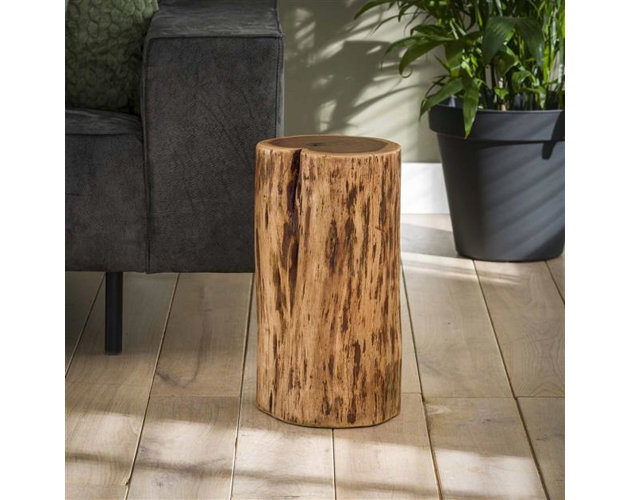
Are you on the hunt for new wood furniture but are not sure where to start? While there are a broad array of wood species out there, all with different prices, hues, and durability levels, it's acacia wood and its impressive properties that are the focus of this guide. So, what is acacia wood and what makes it a standout wood? Keep reading to find out and help you decide if this wood species is right for you.
What Is Acacia Wood & Where Does It Come From?
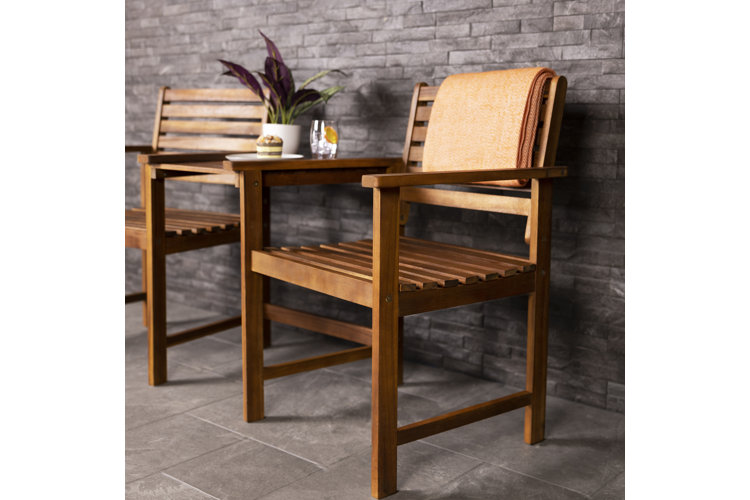
Acacia wood, also known as wattle, is a dense and heavy hardwood that comes from acacia trees and shrubs. There are over 1,000 different species of acacia – the majority of which are native to Australia, but are also grown in Africa, Asia, and North and South America. Although pine, oak, and teak are more traditional picks for wood furniture in the US, acacia is gaining popularity thanks to its durability, sturdiness, and natural beauty (to name a few reasons). If you find yourself unsure of what wood species to choose, here is a list of reasons acacia should be on your list.
Acacia Wood Properties
Acacia is used for a broad variety of products ranging from from wood cutting boards to cabinets and chests. Thanks to its density and resistance to moisture and pests, acacia wood makes good outdoor furniture too without you having to worry about rot and insects.
1. Density & Hardness
Since there are so many different acacia wood species, they do vary in density – that being said, it is still considered an extremely hard wood. In general, acacia wood measures 2,300 on the Janka hardness scale (a wood sample measurement determining how it will wear and dent). Its density is 62 pounds per cubic foot, which is impressive when compared to natural marble which is 80 pounds per cubic foot. Additionally, it is 55% harder than European white oak and 23% harder than hickory.
2. Water Resistance
Aside from its incredible density, acacia wood is naturally water-resistant and antimicrobial. This means it can handle regular moisture contact (even without being specially treated) without rotting or forming fungus. Remember though that water-resistance and waterproof are not the same thing and while acacia wood is water-resistant, it is not waterproof. It cannot handle standing water which will eventually cause warping and swelling.
3. Durability
Thanks to its extreme density, acacia is also an exceptionally durable wood. In fact, in the 18th century, the British Royal Navy used acacia wood as the primary building material for many of its most celebrated ships. This durability means a number of things for acacia wood.
- It is not prone to scratching, making it ideal for dining tables and dining sets.
- It withstands a lot of wear-and-tear, making it good for sideboards and buffet tables, coffee tables, and console tables.
- It is a low-maintenance wood that only requires the occasional mineral oil wipe when needed.
- Thanks to its water-resistance, acacia outdoor Adirondack chairs and patio tables are also good investments that will withstand the elements.
- Even unprotected, you can typically get years of use out of acacia wood before it needs to be touched up.
- When properly maintained, acacia wood pieces can last decades.
Tip!
Do not leave acacia wood out in direct sunlight as it can soften and dry out, leading to cracking and warping.
4. Appearance
With over 1,000 species, acacia wood can be found in an array of shades ranging through white, pale yellow, and rich brown and auburn tones. It is naturally smooth and features a dramatic uneven grain that gives each piece a unique look meaning no two pieces of acacia are alike. Since it is so beautiful, acacia wood is often left to its natural state, only requiring the occasional coat of mineral oil for maintenance. That being said, acacia wood also holds stain well, for anyone looking for a darker piece.
5. Sustainability
Acacia wood is considered a sustainable furniture material because the trees grow quickly, easily, and bountifully all over the world without special growing conditions or requirements. An oak would require about 20 to 30 years of growing before being harvested, compared to an acacia which can achieve the same state in four or five years.
6. Practicality
If you are looking for durable, practical indoor furniture items, acacia wood is the way to go, especially when it comes to pieces that benefit from dense hardwood like dining tables, end and side tables, bed frames, and nightstands. Thanks to its resistance to dings and scratches, it's as close to maintenance-free hardwood as you can get.
Acacia Wood Furniture Options
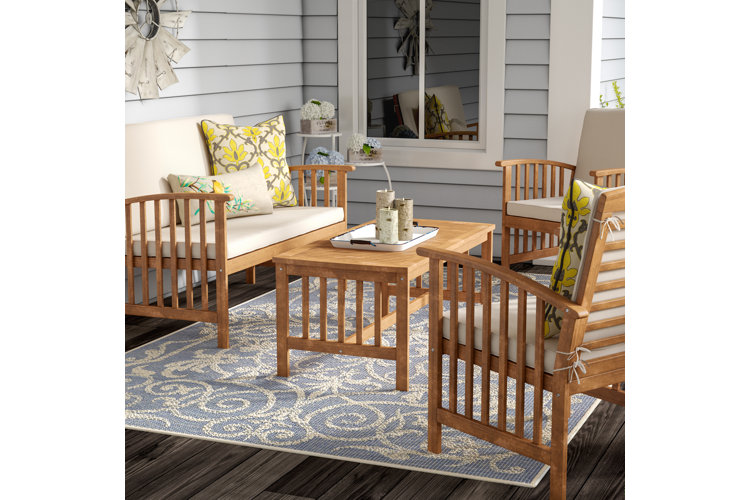
Be sure to check out our various acacia wood options. To make things easier for you, we have categorized them by room, so you can ensure each space in your house has at least one of these stunning pieces in them!
For the Bedroom
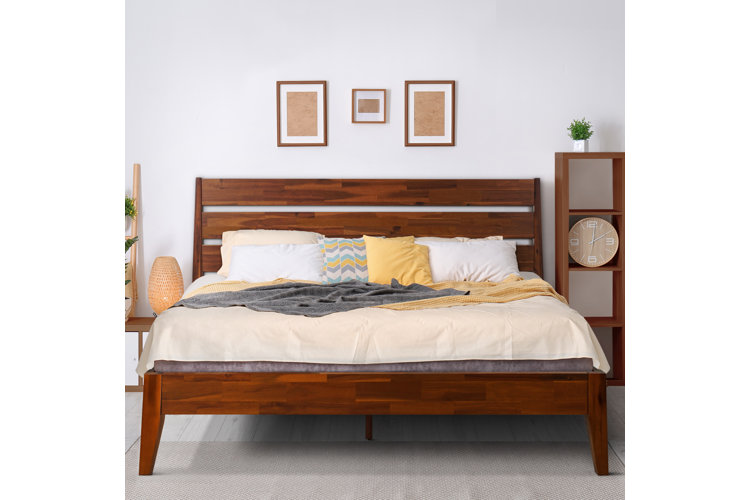
Turn your bedroom into a peaceful haven with the most charming acacia wood bed frames and nightstands.
Create a striking focal point or a modern aesthetic with our broad array of acacia wood side, end, coffee, and console tables as well as cabinets and chests.
Elevate your dining experience with our exclusive array of beautiful acacia kitchen and living furniture and serveware.
Turn your backyard into a welcoming oasis with our impressive selection of hard-wearing and beautiful outdoor acacia furniture items.
Maintaining acacia wood is relatively simple, as it is easy to clean. Here are the steps you should take to take care of your hardwood furniture:
- Use a slightly moistened soft cloth to wipe the furniture – particularly heavy-use pieces like dining tables, dining sets, sideboards and buffet tables, and coffee tables.
- Avoid exposing the wood to perfumes, alcohol, nail varnishes, and other similar harsh liquids as they will pull moisture from the wood if left, causing cracking and staining (with wine for example). Make sure to wipe up any of these spills immediately.
- Try to keep your furniture out of direct sunlight to prevent fading and warping.
- Do not place your furniture next to fireplaces or radiators either.
- Don't use abrasive cleaning tools, a soft slightly moistened rag is all you need to wipe down the surfaces.
- Don't use harsh detergents or cleaning products with ammonia in them, a mild soap and warm water will suffice.
- Oil your acacia furniture once or twice a year to help maintain its appearance and longevity.
- Avoid polish or cleaning products that contain silicone, as it can dry out natural wood over time.
If you are looking for timeless, unique, and beautiful furniture for your home, why not have a look at our broad range of acacia wood pieces to see what you can add to your collection.
