What Is Ambient Light & What Does It Do?
Illuminate your room the right way.
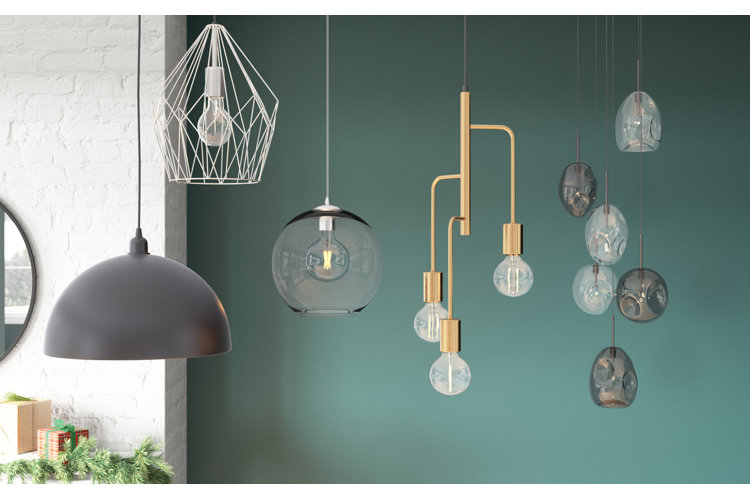
Room lighting is something that is easy to both overlook and underestimate. But, truth be told, it plays a large role in creating the mood and tone in individual spaces, makes each room more suited to its purpose, and of course provides illumination. Ambient light, in particular, is usually the first to be installed as it provides both practical and aesthetic benefits. This begs the question – what is ambient light and how do you make the best use of it? Keep reading to find out.
What Is Ambient Light?
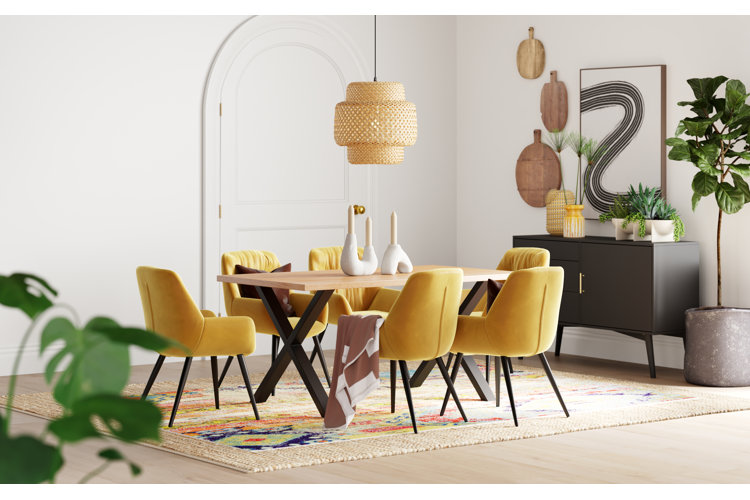
When you walk into a dark room the first thing you do is reach for the light. More often than not, the light switch connected to the primary source of lighting in a room is the ambient light. It is also often known as general lighting as it typically illuminates the entire space.
While it is possible to have a room without ambient lighting, that typically means it will rely on other individual sources of light (table lamps, under-cabinet lighting, etc.), which will only cast dim pools of illumination – making it better for much smaller rooms.
What Does Ambient Lighting Do?
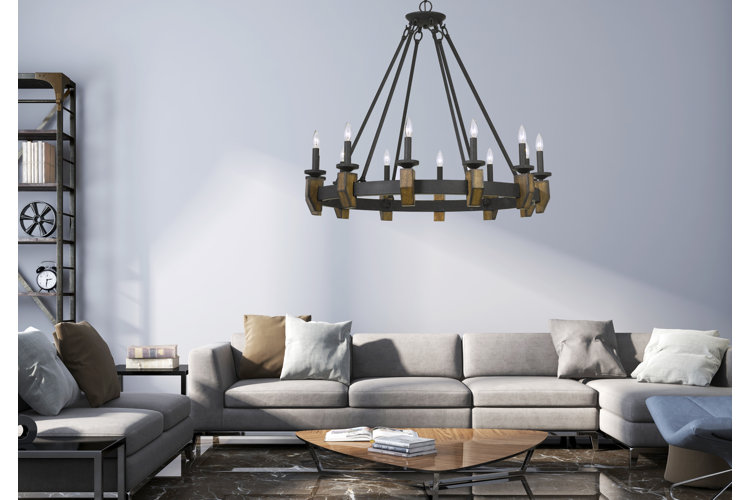
The first and primary purpose of ambient light is to illuminate a space in a way that isn't too harsh and sterile – but rather to create an environment that is warm and welcoming. It radiates light all around the area, allowing you to see clearly as you spend time in that space. Small rooms are typically okay with just one light but larger rooms may need additional ambient lighting for complete and uniform illumination.
Ambient lighting also has the ability to set the mood of a room – depending on the brightness as well as hue. You need to consider what sort of ambient light is best suited to each room. Brighter lights are great for workspaces like offices and kitchens while softer dimmer lights work well in relaxed areas such as bedrooms and living rooms.
Tip!
Light dimmers also offer a useful and convenient way to adjust your ambient lighting when needed.
Light Color Temperatures
Light bulbs come in warm and cool color temperatures, all of which contribute to a specific look and feel to a room. Light brightness is measured in lumens (the more lumens the brighter the light), while color temperature is measured in Kelvins. These range from the brighter and warmer options like candlelight (1,000K – 2,600K), warm white (2,700K – 3,000K), and neutral white light , (3,100K – 4,200K) to the cooler daylight bulbs (5,000K+) which often have a more subtle blue tint.
You mostly want to keep your ambient light in the warm white range to help create a more cozy and comfortable home that is adequately lit to conduct day-to-day activities.
Types of Ambient Lighting
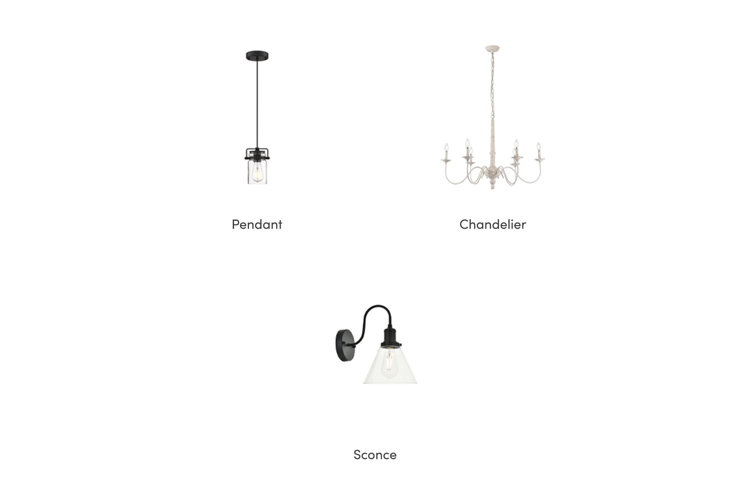
While ambient lighting is most often hung from the ceiling, floor lights can also be considered ambient too. There are a few different types of ambient light fixtures available – all of which need to be well-placed and spaced to create an evenly and well-lit environment that feels warm and welcoming.
Pendant: These lights hang from the ceiling to cast an even light that is gentle enough to create the right atmosphere for dining rooms and kitchens. Their design makes it easy to install them almost anywhere and often in a row, for effective lighting over areas such as the kitchen counter or dining table. Read Your Guide to Pendant Lights: How to Choose the Right Fixture for more info on these lights.
Chandelier: The majority of chandeliers act as dramatic focal points that provide a similarly diffused light to that of pendant lighting, but with larger ranges (since they are usually bigger with more bulbs). Expansive rooms with high ceilings most often benefit from the ample illumination provided by a chandelier. Learn more about these lighting options in our Chandelier Buying Guide: How to Choose the Right Chandelier for Your Home.
Wall Sconces: Sconces are trendy fixtures that come in a great array of styles and materials.They are typically placed in areas like hallways where they reflect light off the walls and ceilings in order to provide warm lighting in the areas between rooms. Their intricate designs often give them the appearance of wall art too.
Track Lighting: Track lights are designed to have multiple lights all mounted to a single track/rod. One of the more versatile options, track lights allow you to tailor the angle at which you want your individual lights to shine, helping to more evenly illuminate a space and chase away specific shadows with ease. Our guide Lighting 101: Types of Track Lighting has more info for you.
Recessed: If you are looking for something less obvious and not overly large, recessed lighting is a suitable option for you. They are installed to lie flush against your ceiling where they are hardly visible but still have the ability to provide as much ambient light as any other option. Recessed lights commonly use LED bulbs and are often installed as sets across the ceiling in order to fully illuminate the entire room.
Floor Lamps: Floor lamps are a fantastic way to banish those dark recesses in any space. They are larger than table lamps and that cast a wide berth of light, creating ambient light in specific locations. You can also control the amount of light your lamp gives off by selecting a clear lampshade for more light or a thicker cloth option for a dimmer result.
The secret to good lighting is layers. While ambient light illuminates the whole space, task and accent lighting can be used as a complementary source to create a more dynamic feeling that can often be adjusted depending on the mood you are trying to create. Some rooms need all three types, while others can do with just one or two, it just depends on the size and what effect you are looking for.
1. Ambient Lighting
Usually the primary light source in a room, ambient light illuminates and sets the tone for the entire space. They mostly hang from the ceiling in the form of chandeliers and pendant lights, as well as floor lamps.
2. Task Lighting
Often seen as the secondary layer of lighting – task lighting is mostly directional and focused in one specific area in order to provide light for certain tasks like cooking, reading, or working. The most common task lighting options include table lamps, bathroom vanity lighting, or under-cabinet lighting, which mostly use LED lights due to their high brightness but low energy consumption.
3. Accent Lighting
Accent lighting is commonly used to showcase particular decor pieces or architectural details in a home. This layer brings extra personality as a showy finishing touch that adds drama and style while removing potential shadows. Picture lights are a fine example of accent lighting as they are designed to shine directly (using LED lights that don't heat up) on a piece of art to showcase it in the best way possible.
Now that you know what ambient lighting is, you can begin giving your home a makeover so it gives off the exact mood and welcoming tone you have been dreaming of.
You Might Also Like:
