What Is an Alcove? Definition, Uses, & Design Tips
Discover the architectural feature that adds depth to any home.
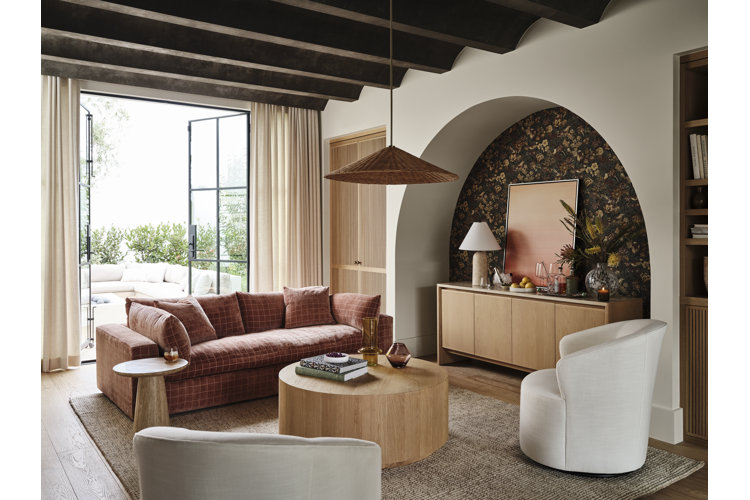
An alcove is an architectural recess, or a partially enclosed space built into a wall or room. In modern homes, alcoves are used for built-in seating, bed frames, display niches, and storage without taking up floor space. Read on to learn what alcove is, common uses for them, and how to style them for optimal style and function.
Key Takeaways
- An alcove is a recessed area set into a wall or room — partially enclosed on three sides and open on the fourth.
- Common in bedrooms, living rooms, and hallways, alcoves maximize space for beds, reading nooks, storage, or art display.
- Design an alcove with purpose-built lighting, floating shelves, and furniture scaled to the recess depth.
- Alcove studio apartments use a sleeping alcove to separate the bed from the living area in a one-room layout.
Alcove Meaning & Definition
An alcove is a recessed area set into a wall or room – partially enclosed on three sides and open on the fourth. The word comes from the French alcôve, borrowed from Arabic al-qubba, meaning "vault" or "domed chamber." Common in classical Greek and Roman architecture, alcoves date back centuries. They were originally used to display decorations like statues and altars. By the Victorian era, the purpose of alcoves shifted to one of functionality – they were often used as lounging spaces within bedrooms or libraries.
How to Pronounce Alcove
Alcove is pronounced AL-kohv – the emphasis is placed on the first syllable ("AL"), followed by a long "o" sound in the second syllable ("kohv").
Alcove vs. Alcoves: Singular & Plural
The term alcove refers to a single recessed space within a wall or layout. When a room features multiple architectural recesses – such as twin built-in nooks flanking a fireplace mantle – use the plural form, alcoves.
When styling twin alcoves, symmetry is key. Pairing matching wall sconces, custom shelving, or dual accent cabinets on either side of a central feature balances the architecture while doubling your functional storage.
Common Alcove Uses

Here are some of the most common uses of alcoves in modern homes:
- Storage Space: Alcoves provide space for additional storage, from sideboard tables to floating shelves. They’re great for housing everyday essentials while minimizing clutter elsewhere.
- Furniture Area: Alcoves provide room to place furniture while saving floor space, whether for a dresser or an area to frame your bed.
- Art Display: Alcoves are used as spaces for decorations and are carefully designed to draw attention to paintings or sculptures.
- Reading Nook: Alcoves can be turned into the perfect reading nooks. With room for bookshelves and cozy chairs or benches, alcove reading nooks combine decoration and functionality.
Alcoves offer a variety of benefits, ranging from practical to aesthetic. Below, we’ve listed some of our favorites:
- Space Maximization: As demonstrated above, alcoves are ideal for maximizing space within the home, since they provide extra room for furniture within snug living spaces.
- Enhanced Functionality: Whether you use your alcove as a bed frame, desk space, or reading area, choosing a specific purpose for this unique architectural space helps keep your home efficient.
- Decoration Display: Alcoves are great dedicated spaces for decorations. As natural focal points, they enhance your home design by highlighting favorite artwork or sculptures.
- Added Character: No matter how you use your alcove, these spaces create visual interest, imbuing your home with timeless character that fits any interior style.
Types of Alcoves
Alcoves come in many shapes and sizes, and their purpose often depends on their location in the home. Whether you're maximizing square footage or adding architectural character, these are some of the most common types of alcoves.
Bedroom Alcove
Bedroom alcoves are often used to frame a bed, creating a cozy sleeping area with built-in architectural interest. Depending on the size, they can also accommodate dressers, wardrobes, vanities, or compact desks. Add wall sconces, floating shelves, or wallpaper to make the space feel intentional.
Living Room Alcove
Living room alcoves are ideal for built-in bookcases, media consoles, reading nooks, or display shelves. Many homeowners use these recessed spaces to create a focal point around a fireplace or showcase artwork and decorative accessories.
Kitchen or Dining Alcove
In kitchens and dining rooms, alcoves can become coffee stations, pantry storage, breakfast nooks, or buffet areas. Built-in cabinetry or open shelving helps maximize storage while keeping frequently used items within easy reach.
Home Office Alcove
Even a shallow alcove can become an efficient workspace. A floating desk, task lighting, and wall-mounted storage create a dedicated home office without requiring an entire room.
Studio Apartment Alcove
In a studio apartment, an alcove is a recessed area that creates a natural separation from the main living space. Often called an alcove studio, this layout typically includes a sleeping area tucked into the recessed section while the remainder of the apartment serves as the living, dining, and kitchen space. Although it isn't a true one-bedroom apartment, an alcove studio offers more privacy and flexibility than an open studio floor plan.
Here are a few tips for decorating an alcove in a studio apartment:
- Position your bed within the alcove to create a distinct sleeping zone.
- Use curtains, bookshelves, or room dividers for additional privacy.
- Choose multifunctional furniture, such as storage beds or nesting tables, to maximize space.
- Add wall-mounted lighting and floating shelves to free up valuable floor space.
- Use rugs or paint to visually separate the sleeping and living areas.
Alcove vs. Other Architectural Features
Alcove vs. Nook
An alcove is a recessed space built into a wall and enclosed on three sides, making it an architectural feature of the home. A nook is a small, cozy area designed for a specific purpose, such as reading or dining. While an alcove can become a nook, a nook doesn't have to be recessed into a wall – it can be created with furniture, windows, or room layout.
Alcove vs. Niche
Both alcoves and niches are recessed into a wall, but they differ in size and purpose. An alcove is typically large enough to accommodate furniture or people and is often used as a sleeping area, workspace, or seating nook. A niche is much smaller and is primarily intended to display decorative items like artwork, sculptures, plants, or vases.
Alcove vs. Recess
A recess is a general architectural term for any area set back from the surrounding wall. An alcove is a specific type of recess that's large enough to create a functional or decorative space within a room. In other words, every alcove is a recess, but not every recess is an alcove.
How to Design an Alcove
Have an alcove in your home? Follow these simple steps to make the most of this versatile architectural feature:
1. Choose Its Purpose: Begin by deciding how you’d like to use your alcove. Will it frame your bed or be a productive workspace? This choice will help you move forward with your alcove design process.
2. Select Your Style: Next, determine the style in which you’d like to design your alcove. Do you prefer sleek modern decor or a timeless traditional aesthetic? Choose paint, wallpaper, and furniture based on your preferences.
3. Add Lighting: Lighting is a must-have within any alcove – whether you go for wall sconces or pendant alternatives, lighting imbues your alcove with warmth while allowing you to use it at any time of day.
4. Incorporate Functional Features: Decide which functional features you’d like to incorporate into your alcove. From floating shelves to drawers for storage, these additions make your alcove a practical space for years to come.
Frequently Asked Questions
What is an alcove in a house?
An alcove in a shelf is a recessed, semi-enclosed compartment or niche built into a shelving unit or bookcase. It creates a distinct focal point by framing specific items – such as artwork, decorative objects, or task lighting – while breaking up uniform rows of traditional shelving.
What is the purpose of an alcove?
An alcove creates additional usable space within a room while adding architectural interest. Depending on its size and location, it can be used for seating, storage, a bed, a workspace, or displaying artwork and decor.
What is the difference between an alcove and a niche?
An alcove is typically large enough to accommodate furniture or people, while a niche is a smaller recessed opening designed primarily to display decorative objects, artwork, or shelving.
Is an alcove considered a separate room?
No. An alcove is part of an existing room rather than a separate enclosed space. While it can create distinct functional zones, it does not have the walls or doors needed to qualify as its own room.
How can I make an alcove feel larger?
Use light paint colors, mirrors, layered lighting, and furniture that's appropriately scaled to the space. Floating shelves and multifunctional furniture can also maximize storage without making the alcove feel crowded.
Can I add built-in shelves or cabinets to an alcove?
Yes. Alcoves are one of the best locations for custom built-ins because the recessed walls naturally frame shelving, cabinetry, desks, entertainment centers, or window seats while making efficient use of otherwise unused space.
Can you turn an alcove into a reading nook?
Yes. Alcoves are ideal for reading nooks because their recessed design naturally creates a cozy, quiet space. Add a comfortable chair or built-in bench, soft lighting, a side table, and nearby bookshelves to create a comfortable spot for relaxing and reading.
Neighborly Tip!
Browse these articles for even more inspiration:
- 17 Incredibly Cozy Reading Nook Ideas
- Entryway Lighting Ideas to Brighten Your Home
- What Is a Foyer?
