What Is Live Edge Furniture & How Is It Made?
Learn all about live edge wood.
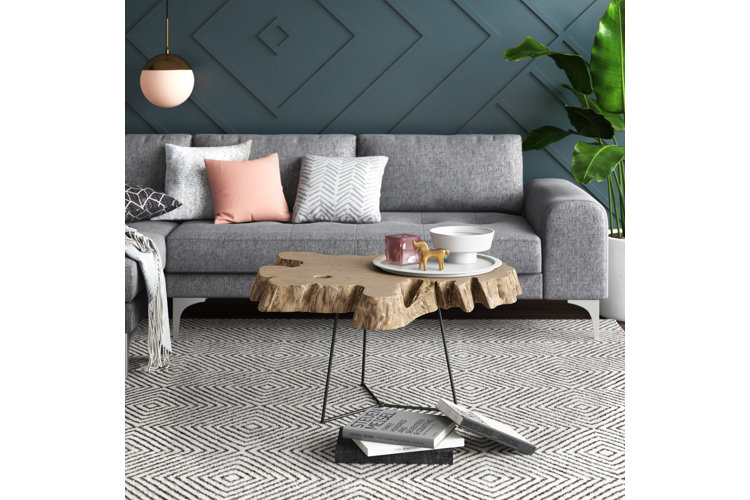
Are you in search of something unique and dramatic to add to your living space? Do you want to incorporate imperfectly fashionable and rustic pieces that bring in the natural beauty of the outdoors? Live edge wood might be just what you are looking for.
But what is live edge furniture and is it right for your home? Learn about what makes it so special and if it's something worth investing in.
What Is Live Edge Furniture?
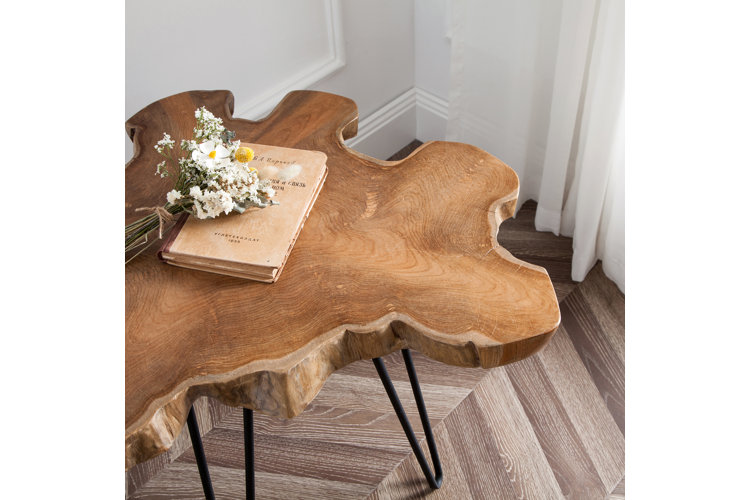
Live edge furniture begins with wood slabs – the large scraps that remain after a tree has been cut into the more traditional uniformly sized lumber. These oddly shaped slabs are often discarded as they are not considered useful for construction of regular pieces. The truth is though, that their uneven shapes make for interesting surfaces for furniture like tables and shelves.
The live edge refers to the natural border left on at least one side of these slabs that still contain the natural characteristics of the wood like knots, cracks, burls (bold and intricate grain patterns that often feature tight swirls), and holes. That periphery is left untouched by tools or machinery, thus maintaining the original tree shape and its natural imperfections.
The beauty of live edge furniture is that no finished items are the same. Just as no two trees are alike, so are each of the cuts varied and used "as is" – meaning there is no mass production or cutting to fit standard dimensions. In fact, some woodworkers often use colored resin to join lumber with otherwise unusable splits to create flat surfaces on new one-of-a-kind pieces. Each of the slabs is expertly sanded and finished while maintaining all of the original characteristics – thus creating first-rate masterpieces.
Types of Live Edge Furniture
There are a broad array of live edge furniture pieces to choose from. These options include various wood species, cuts, colors, and inclusions.
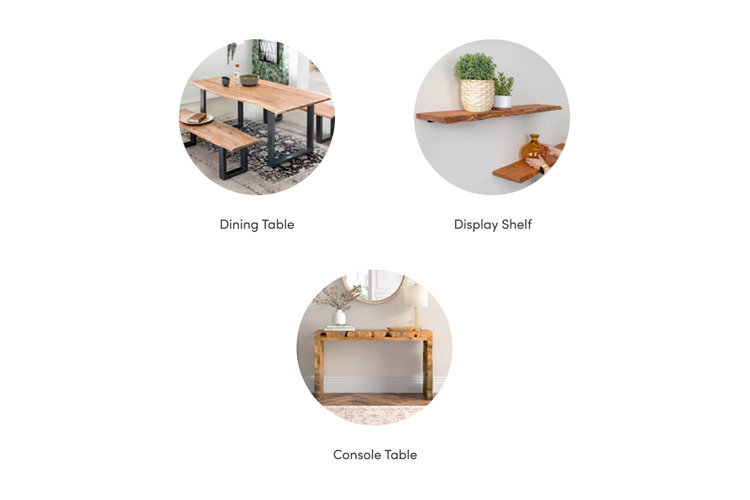
Dining Tables: If you are tired of having the same looking furniture as everyone else, a live edge dining table can create an unusual focal point that draws all the attention.
Display Shelves: Including live edge display shelves in your interior design will not only allow you to show off your favorite home decor items, but do so with a grand flourish of unique wood.
Console Tables: Live edge console tables include the natural lines of trees into your living space, combined with an undeniable practicality that brings the aesthetic of the outdoors inside.
Side Tables: Even a set of live edge side tables will not be exactly the same thanks to the individualistic nature of wood. They may have some similarities, but they will also have visibly different appearances, making them custom for your home.
Coffee Tables: The natural quirks and rustic beauty of live edge coffee tables are matched by their practicality when placed in any living room. They can easily blend in with any contemporary design or more traditional look without any hassle.
Live edge wood found its origins back when American settlers required functional furniture to be built quickly and cheaply. The easiest way to do this was by sawing trees into unfinished slabs which were then turned into basic pieces of furniture. It was a time and cost-effective technique used to build sturdy and functional chairs, tables, shelves, and beds that were long-lasting.
Fast forward to 1946, when award-winning architect, designer, and woodworker George Nakashima began to include live edge furniture in his collection for a company called Knoll. His unique works expressed an appreciation for the imperfection of natural wood – celebrating any "flaws" that would have otherwise been cast aside. Nakashima's decision to leave the natural edges of wood as a part of the finished pieces ignited a popularity that has only increased since. Today live edge furniture can be found around the world in a broad array of styles and forms.
How to Care for Live Edge Wood
Due to the amount of craftsmanship that goes into creating live edge furniture, they typically come at a premium. So it only makes sense that you would want to protect your one-of-a-kind investment. Here is how best to take care of live edge pieces.
- Use a microfiber cloth to dust and clean the surface without leaving any streaks or scratches. Microfiber gently lifts dust from the surface, especially from those deeper grooves found in the live edges.
- Avoid using too much polish and especially don't spray any into the natural cracks, as it can make them look gunky and old. Limit your polishing to only the flat surface.
- It is best to use natural cleaning products – equal parts of vinegar and warm water on a microfiber cloth, will help remove buildup in the irregular surfaces.
- Make sure to protect your live edge furniture from moisture. Use coasters whenever possible and quickly wipe off any liquid spills.
The truth is that live edge furniture is good for the environment because it uses wood that would usually have been discarded but has instead been turned into something more valuable and beautiful. Bring that undeniable elegance to your home with our collection of live edge wood furniture.
You Might Also Like
