What Is Pima Cotton?
Luxury cotton at an affordable price.

The fabric materials we surround ourselves with have an impact on our comfort, happiness, and even our sleep quality. Pima cotton material combines luxury and practicality for a result that's ultra-comfortable, refreshing, and soothing. Keep reading to learn more about what pima cotton is and why you should consider it for your bedding, sheets, and other home textiles.
So What Is Pima Cotton?
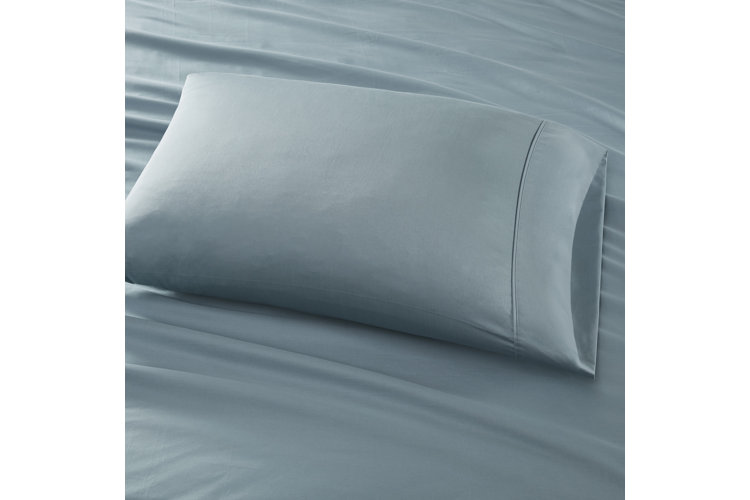
Pima cotton is a natural material originating from cotton plants in the US and tropical/subtropical regions. Pima cotton is an extra-long staple (ELS) cotton because it has longer fibers than traditional cotton. For context, traditional cotton fibers are typically under 1.4" in length, while pima cotton fibers are usually between 1.5" and 2" in length. When woven into fabric, these long fibers produce a soft, silky feel with durability to match. Pima cotton is typically used for bedding, sheets, towels, and clothing due to its luxe feel and breathability. More on the benefits of pima cotton below.
Benefits of Pima Cotton
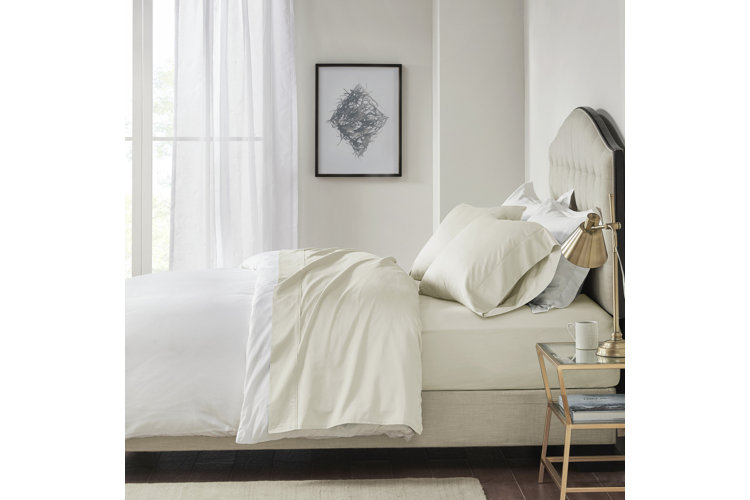
Pima cotton fabric provides so many benefits that it's hard to narrow them all down. Below we compiled the key advantages of pima cotton as a fabric material for bedding, sheets, and other home textiles.
- Comfortable Feel: One of the greatest benefits of pima cotton is its comfortable look and feel. Its long fibers create a smooth surface on which to sleep or relax. For this reason, pima cotton is a great bedding option for people with sensitive skin. Pima cotton also usually has a thread count above 200, which adds to the soft, smooth feel of the material.
- Affordability: Even though pima cotton is considered luxurious, it is still more affordable than other ELS cotton varieties like Egyptian cotton. This is because it isn't as well-known as Egyptian cotton varieties and because it doesn't have the same demand and production needs. Therefore, if you're looking for a close second to luxury cotton without breaking the bank, pima is the way to go.
- Breathability: Pima cotton fibers are naturally porous and breathable, which makes it a smart option for bed sheets. Pima cotton helps you stay cool as you sleep and it doesn't hold onto odors like synthetic options.
- Moisture-Wicking Properties: Similar to its breathable qualities, pima cotton also has natural moisture-wicking properties that help capture and evaporate moisture. The result? Cool, dry bed sheets to help you sleep through the night.
- Pill-Resistance: Pima cotton's long fibers also prevent bedding, pillowcases, and sheets from pilling (developing small balls of loosened thread), unlike traditional cotton. Traditional cotton has shorter fibers that can pill more easily. Pilling ultimately leads to unwanted texture and rips or tears in sheets. Therefore, pima cotton can help you save money on sheets and other textiles in the future.
- Wrinkle-Resistance: Similarly, its long fibers and weave patterns make pima cotton wrinkle-resistant. Because of its wrinkle-resistant properties, you can maintain a clean, refreshing bed aesthetic – minus constant ironing!
- Machine Wash-and-Dry-Friendly: Despite its luxury status, pima cotton is typically machine-wash-and-dry-friendly. Always opt for cool, delicate wash cycles and low tumble-dry cycles for the best results, and reference the product care tag for specific care instructions. Ultimately this will help you extend the life of your pima cotton sheets and other home textiles – without having to take the time out of your day to hand-wash!
- Long-Term Durability: Overall, pima cotton is woven to last. Its long fibers and high thread count mean it won't pill or fade easily, and it will hold up its soft, supple feel with the right care and maintenance.
How Does Pima Cotton Compare to Other Types of Cotton?
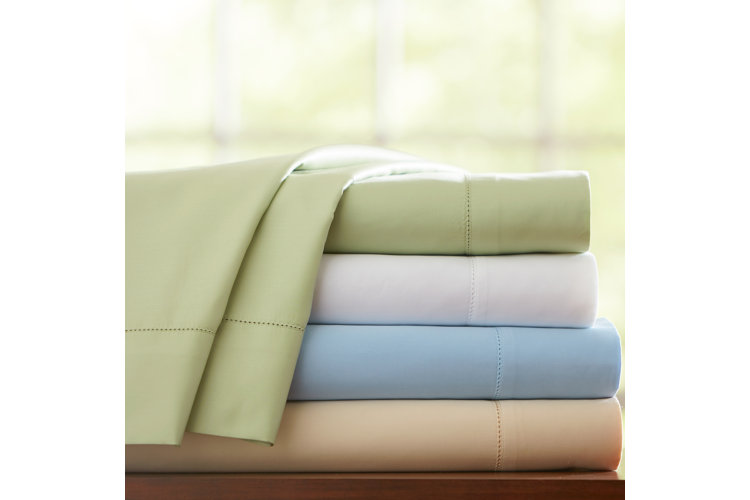
With a better understanding of what pima cotton is and what benefits it offers, it's time to compare options. Determine the distinct differences between pima cotton and other cotton options below to help aid your decision.
Pima Cotton vs. Egyptian Cotton
As mentioned in the above sections, both pima cotton and Egyptian cotton are considered high quality, luxurious cotton options with extra-long staple (ELS) fibers. However, Egyptian cotton has a slightly higher quality and prestige, which makes it more expensive than pima cotton.
Pima Cotton vs. Supima Cotton
The only difference between pima cotton and Supima cotton are the growing regions they represent and their respective price points. Pima cotton is grown in many countries including Australia, Peru, the US., and other areas. Some pima cotton is also blended or interwoven with other types of cotton or fabric options. In contrast, Supima cotton is grown specifically in the US. Because of this guarantee, Supima cotton is usually more expensive.
Pima Cotton vs. Cotton Sateen
The main difference between pima cotton and cotton sateen is that pima cotton refers to a fabric material, whereas cotton sateen refers to a weave pattern. Cotton sateen textiles use pima cotton or another form of long/extra-long staple cotton as their weave material. Cotton sateen has a specific weave pattern that creates the smooth, shiny look and feel of silk – minus the price point. Its weave pattern also makes cotton sateen trap heat and create warmth.
Pima Cotton vs. Cotton Percale
Similar to cotton sateen, cotton percale refers to a weave pattern, which uses pima cotton or another cotton option as the weave material. The cotton percale weave pattern creates a soft, yet matte look, in contrast to the silk-like sheen of cotton sateen textiles. Cotton percale weave patterns create a cool, breathable and lightweight textile that's perfect for warm climates.
Tip!
Still trying to decide between cotton and other material options for your bedding? Check out our guide on the best sheet materials for more comparisons between pima cotton and other bedding options. Or check these out:
Cotton vs. Polyester: Take Your Pick
Comparing Cotton vs. Linen Sheets for Everyday Comfort
Get browsing for your next bedding staples, now!
