What Is Plaid?
Timeless & versatile & cozy
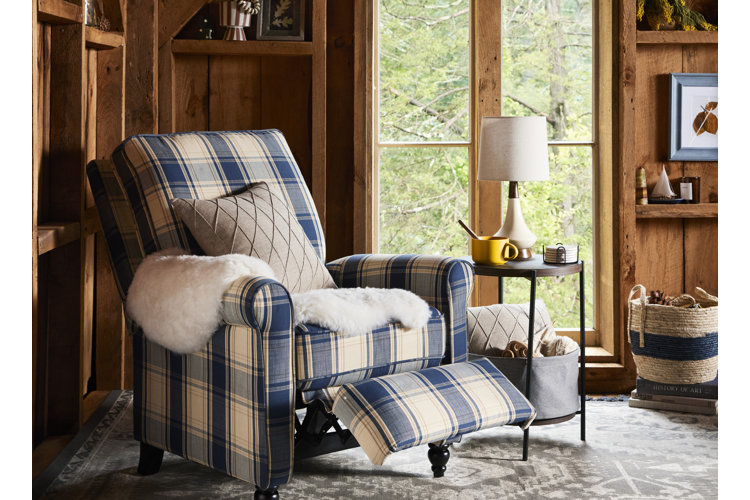
Plaid is a must-have feature in any home where you want to create a cozy and inviting vibe. It's available in so many different colors and pattern variations that it can be modern or traditional and pared-back or bold. In this guide, we answer the question, "what is plaid?", including how it's made, what sets it apart from other patterns, available styles, and how to incorporate plaid in your home to gain a greater appreciation for this classic pattern.
What Is Plaid?
How Is Plaid Made?
Plaid vs. Similar Patterns
Types of Plaid
Ways to Add Plaid Patterns to Your Home
What Is Plaid?
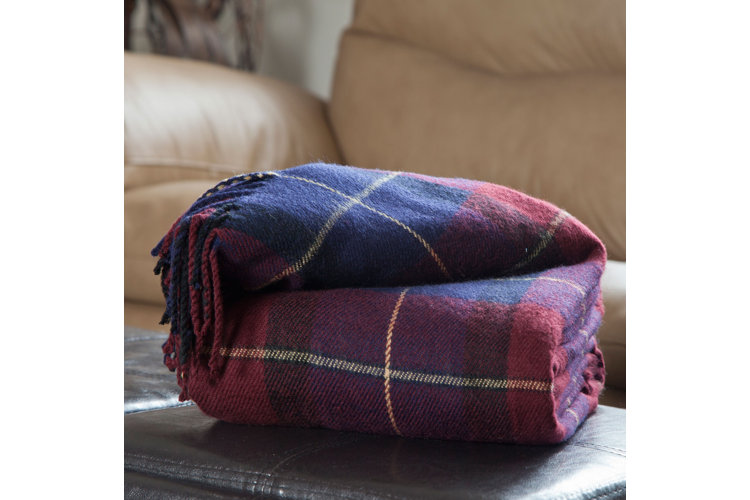
Plaid is a textile pattern created by weaving multiple threads of fabric together in horizontal and vertical directions (crisscrossed). The threads are usually made up of two to three or more colors depending on the designs and color pairings the artisan or manufacturer wants to achieve. The finished result is a layered display of colors and stripes that form square (checkered) shapes. These can be symmetrical or asymmetrical depending on the style of plaid.
History
Plaid has been around since the 8th century B.C. The pattern we now know and love first appeared in 18th century Scotland. It was originally called tartan and used by Scottish clans as a way to identify and distinguish themselves from other clans. We now have a variety of different kinds of plaid (discussed more in the section on plaid vs. similar patterns) due to centuries of trading and emigration to other countries.
How Is Plaid Made?
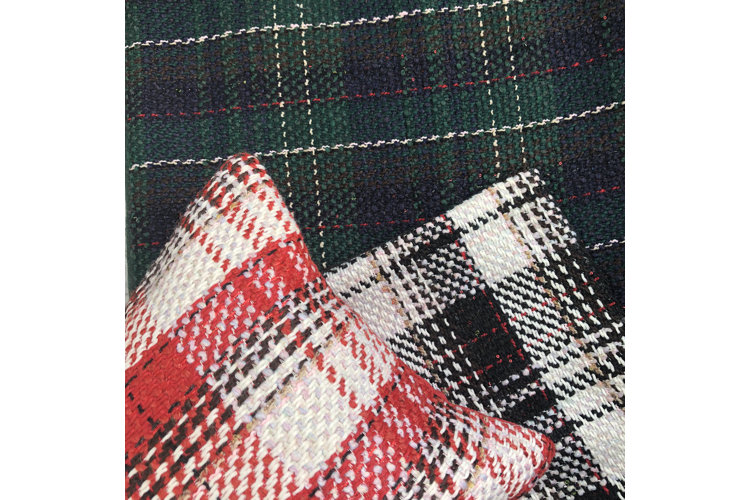
Now that you know what plaid fabric is, let's go over how artisans create the iconic plaid design. Plaid is made using a hand loom or power loom. Power looms are typically used by manufacturers to mass-produce plaid-patterned fabrics in an efficient amount of time. Hand looms are more traditional and reminiscent of what weavers would have used in historical times. Review these steps to learn more about the process of handweaving plaid.
1. Weavers start by wrapping a long piece of thread around each notch located on both ends of the loom. This creates a vertical stripe pattern of threads running parallel to each other. Weavers might add more vertical sets of threads in different colors depending on how intricate or colorful they want the plaid to be.
2. Taking a loom needle (similar to a knitting needle or crochet hook), weavers tie a different color thread to the loom needle. Then, they weave the needle and thread horizontally through the set of threads on the loom using an over-and-under motion.
3. Once they reach the other side of the loom, they can either cut the thread on the needle and start a new color, or they can simply continue back across the loom by using the same thread color.
What Materials Are Used for Plaid?
Plaid fabric is traditionally made using wool threads, but some manufacturers use wool-cotton blends or cotton by itself to make plaid items softer and more comfortable. Manufacturers even use synthetic fabrics like polyester to add softness to plaid-patterned textiles.
Plaid vs. Similar Patterns
You might come across similar patterns as you learn more about plaid and its distinctive patterning. So how do you separate plaid from other options? Keep reading to learn the difference between plaid and similar fabric patterns.
Plaid vs. Tartan
You could say tartan is the traditional or historical type of plaid. Both plaid and tartan patterns enlist two or more thread colors to create intricate, eye-catching designs. The main difference is how the checkered, crisscross patterns appear. Plaid usually features asymmetrical square patterns for a more layered look, while tartan plaid has a weave pattern that creates even, symmetrical square shapes with overlapping threads. In terms of versatility, both plaid and tartan offer a wide selection. Plaid encompasses a range of ever-changing designs and colors, while tartans represent Scottish clans and their historical tartan patterns. Some popular clan tartans include Mackenzie, Wallace, Gordon, Campbell, and Lindsay. The Black Watch and Royal Stewart tartans are also well-loved, despite originating from royal and military groups instead of one specific clan.
Plaid vs. Gingham & Checkered Patterns
Checked patterns like gingham are a form of plaid that take a more relaxed approach. It originated in 18th-century England and is fondly associated with picnic baskets or blankets. While plaid consists of multiple overlapping threads and two to three colors, gingham features thick colorful stripes of the same color that form white symmetrical squares when they overlap each other. Gingham usually has a white base paired with either blue, red, black, or any color really!
Plaid vs. Buffalo Plaid
Buffalo plaid is a kind of plaid that has a similar appearance to gingham and other checkered patterns, but the weave technique creates larger squares and stripe patterns. It also features a colorful base color and black crisscrossing shapes to form symmetrical squares. The classic buffalo plaid print grew in popularity in 19th-century North America and traditionally features a red and black pattern.
Plaid vs. Flannel
Flannel shirts usually have cozy plaid patterns, which is why we tend to associate flannel with plaid. However, flannel is actually a fabric that may or may not feature plaid patterning. Learn more in our guide, What Is Flannel?.
Types of Plaid
There are so many different styles of plaid to keep on your radar. Here are some examples of patterns that can be categorized as plaid:
- Gingham
- Buffalo Plaid
- Check
- Tartan
- Tattersall
- Houndstooth
- Madras
- Windowpane
- Glen Plaid
Ways to Add Plaid Patterns to Your Home
Now that we've answered the question, "what is plaid?" and you've learned more about it, it's time to find ways to incorporate it into your home. Here are some examples for inspiration:
Cozy Accents
One of the easiest (and we dare say comfiest) ways to introduce plaid into your home is through cozy accents like throw pillows and blankets. Choose plaid accents with colors that match your space for a seamless transition. You can even cozy up your windows with plaid-patterned curtains! Explore all of your options, below.
Furniture Upholstery
Nothing says modern farmhouse or quaint cottage like plaid-upholstered furniture. Instantly make any room feel more lived-in and welcoming with a pair of plaid accent chairs in a style that speaks to you.
Floors & Walls
Create a warm atmosphere by incorporating plaid on your floors or walls. Cover your floor with a plush plaid rug or add interest to your walls with plaid wallpaper to give your space a cozy glow-up.
Bedding
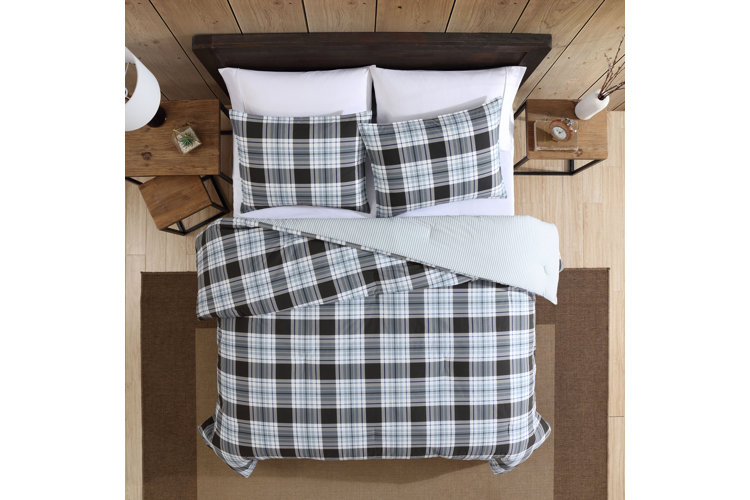
Speaking of cozy, we can't forget about plaid bedding. Keep your bedding fresh and modern with a windowpane-patterned comforter or get super festive for the holidays with a red and green tartan pattern.
Tip!
Now that you know how to define plaid, review our Guide to the Types of Fabric Patterns to brush up your knowledge on other fabric pattern options.
You Might Also Like:
Browse for the perfect plaid decor for your home!
