What Is Scandinavian Design?
Get the low down on Scandi design style
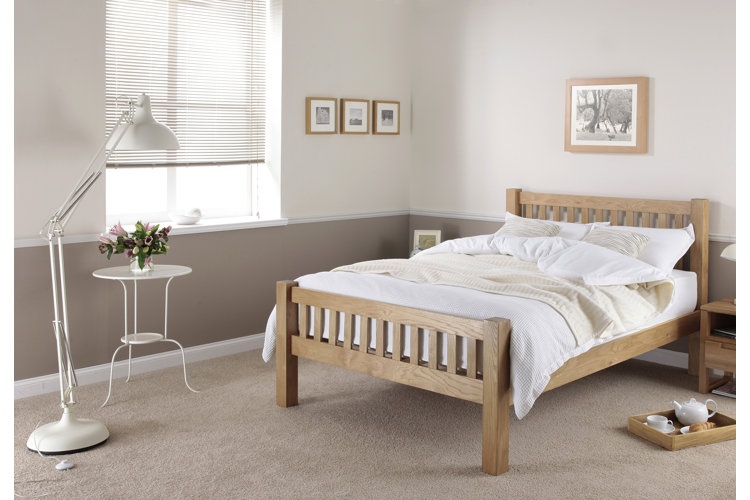
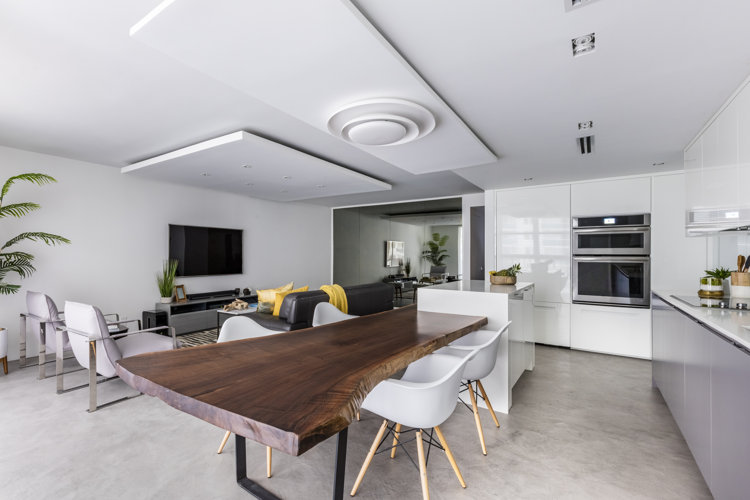
The Scandinavia area refers to the northern European countries of Norway, Sweden, Denmark, Finland, and Iceland. These physical landscapes often feature wide expanses of white snow and minimal vegetation.
The design, first appearing in the 1950s, translates to white walls, wood floors, modern furniture, and minimalist decor. Its focus is to combine functionality and beauty with simple lines and light spaces, devoid of clutter.
But rather than going for a stark and ultra-minimalist look, aim for lagom, a Swedish term that translates to “in between” or “just right.”
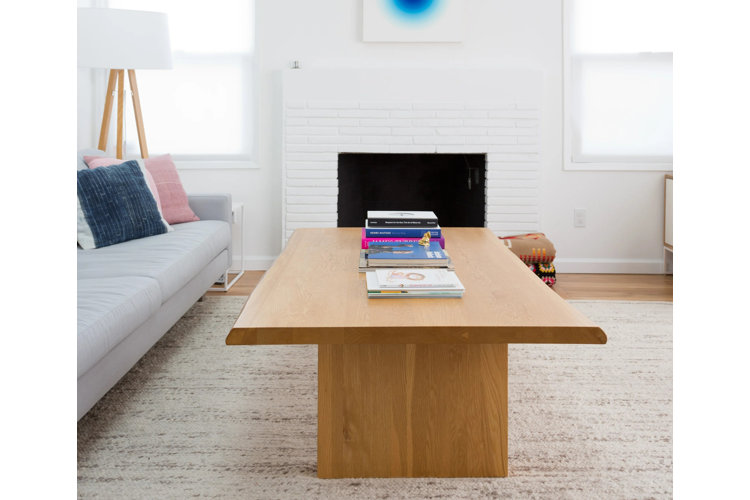
Scandinavians deeply value nature and spending time outdoors, something that is reflected in this style. Wood floors tend to remain uncovered and lighter wooden tones are frequently found in Scandinavian homes. And, of course, live plants are a popular choice when it comes to really bringing the outdoors in.
Other hallmark traits of a Scandinavian design style focuses heavily on neutrals, most notably, bright whites, with pops of black and tan. That’s not to say the style is completely devoid of color though, just that the overall spaces tend to be monochromatic, with hues coming into play as accent pieces.
How to Style Your Home With Scandinavian Design
The first step to redesigning your space in Scandinavian design is to declutter. Remove extraneous items from your surfaces and return them to their designated storage. Maintain the minimal appearance by keeping your surfaces clear and clean. When adding back to the space, use patterns and color sparingly. For example, add in accent rugs in a solid color. In the future, remember to shop for pieces with mindfulness of your space.
In Scandinavian tradition, they place a high value on craftsmanship. To mimic Scandinavian design, invest in quality, multi-purpose, or practical pieces. Scandinavian furniture styles, light fixtures, and other functional items should have a modern look, while remaining simple and not overly ornate. Blend design and storage together in typical pieces such as shoe racks, shelves and organizers, and other storage-included items.
Honor nature as a Scandinavian design principle by incorporating natural elements, such as light and bright wood, house plants, and natural textiles and upholstery like wool, sheepskin, linen, jute, burlap, and more. Use plants and natural objects as decor inspiration in sculptures and wall art.
When considering color, imitate what you see outside. Think: stone, and wood, with pops of brighter color for the sky and foliage. With larger blocks of accent color, opt for unsaturated versions of colors like grayish blues, muted greens, and warm tan. This is another instance to incorporate the look of plants with graphic and botanical prints to help bring a white room to life.
While many people typically think contrast means colors at the opposite ends of the color wheel, contrast can apply to a wide range of design elements. You can create contrast in shape, size, texture, or design time periods. Instead of contrasting solid colors, contrast light and dark neutrals, old pieces and new pieces, straight and wavy, hard and soft, utility and coziness.
To heighten the look, find ways to contrast your foundational pieces, such as walls, furniture, light fixtures, and wall art.
Hygge is a Danish word that roughly translates to cozy togetherness. To accent hygge, add things that remind you of warmth and comfort, such as candles, soft blankets, and slippers. If you have a fireplace, make this a focal point and gathering place. Hygge is very much about relaxation and ease, so don’t be afraid to keep throw blankets unfolded, covers rumpled, and well-loved items in clear view.
By remembering to prioritize organization, keep color schemes neutral, and maintain a clutter-free zone, you can easily replicate the essence of Scandinavian design throughout your entire home.
