What Is Slate & How Is It Used?
Learn all about this unique stone.
Are you interested in giving your home a modern upgrade? Do you like the idea of slate tiles but want to know more about them? Allow us to answer the popular question "what is slate?" so you can get a better understanding of this natural material and how it can benefit you.
What Is Slate?
Slate has been used as a building material for centuries thanks to its durable and weather-resistant properties. But what is slate exactly and why is it so popular? In terms of composition, slate is known as a fine-grained, foliated metamorphic rock. While that may sound like a mouthful, there are three simple concepts to understanding this kind of rock.
- Fine-grained rock is a type of igneous rock with crystals that are too small to see.
- Metamorphic rock is formed when rocks are changed via intense heat and/or pressure within the earth's crust. This changes it into new rocks with new minerals and textures.
- Foliation is simply the repetitive layering of metamorphic rocks (particularly through the low-grade metamorphism of shale, volcanic ash, or mudstone).
What Are the Properties of Slate?
Despite its fine layers, slate is durable and resistant. Here is a list of the top properties of slate:
- It is easily cleaned (protective products help against dirt and dust penetration)
- Slate has a pleasantly rough texture, especially underfoot
- It is fireproof and a good electrical insulator (the main reason slate is using in roofing)
- Slate has a low water absorption index. At less than 0.4%, it is resistant to frost damage
- Slate can be easily cleaned with a broom or wiped with a damp cloth
- It is water-resistant making slate a good option for the bathroom and kitchen
- With stone or slate oils, you can make the surface shine
How Hard Is Slate
Mineral hardness is measured through the Mohs scale which ranges between 1 to 10. Slate hardness ranges between 2.5 to 4, making it almost as hard as limestone and marble but not as hard as natural quartz or granite.
What Color is Slate?
The color of slate is determined by its mineral composition (the type of iron and organic material it is made from) as well as the region it is found in. While the most commonly known colors range between light to dark gray, slate can also be found in many other hues.
Slate that contains more hematite is redder in color, sericite makes for a blue-gray tone, limonite creates a yellowish-brown hue, and chlorite produces green. Slate from Brazil is often green, slate from China can come in a range of shades, and a US state like Vermont produces unfading green, gray, purple, red, and black coloration.
Slate Maintenance
- Clean slate daily to keep it free from dust and debris build-up. This means either sweeping or dry-mopping
- You can wet mop your slate floor every month or so, or when there are larger messes than usual
- Only use clear water or mild soap with a natural pH to clean slate as aggressive cleaners will attack the material
- Allow your slate tiles to air-dry or use a soft cloth to wipe them
- Seal your tiles every 3 to 5 years. Select one with the finish you prefer – matte or glossy
- Mineral spirits can be used to hide any scratches that do occur, as it will make the slate darker in appearance, thus concealing the mar
- Make sure to clean up spills as soon as they occur to prevent staining
- Use felt pads beneath furniture to minimize scratching
What Is Slate Used For?
Thanks to the way it easily splits into thin slabs that have great tensile strength and durability, slate is most commonly used for roof and floor tiles. Slate can also be used in a number of other ways including charcuterie boards and pool tables.
What Is Slate Tile?
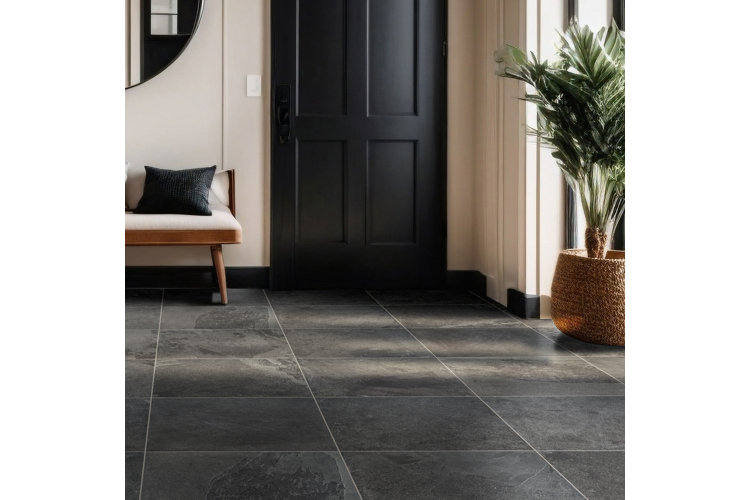
Slate makes for attractive flooring, which is why it is so commonly used as tiling. Slate's properties make it useful in a number of areas and here is why.
Slate Bathroom Tile
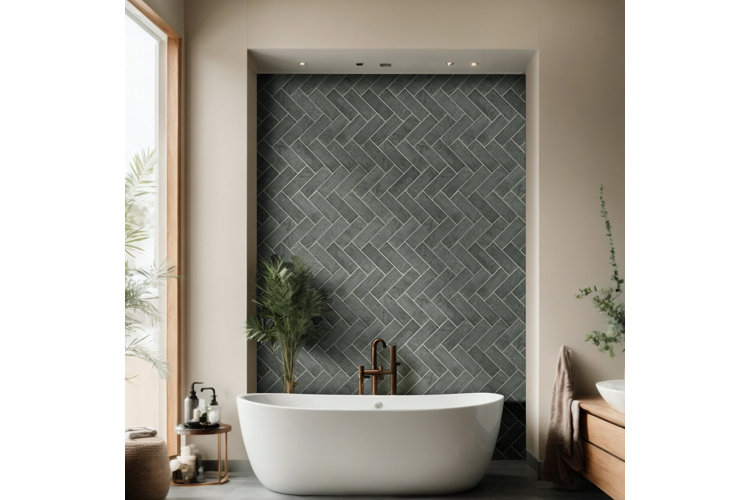
Slate is an attractive and modern addition to any bathroom. The best part is that it is water-resistant, so it can be installed anywhere from the floor, to the shower, to the backsplash tile.
It's low water-absorption index makes it almost completely waterproof
Slate is low-maintenance and requires minimal effort to clean and maintain
It is unlikely to scratch, crack, or chip, making it ideal for high traffic areas like the bathroom
Due to its non-porous structure, slate doesn't harbor bacteria and won't stain from liquid spills
Slate flooring can also work well with radiant heat systems
Many people enjoy the textured surface underfoot, which also provides non-slip attributes that are especially helpful in wet locations like the bathroom
Again, the ease of cleaning and durability of slate make it an ideal choice for kitchens where there are regular stains and spills. Slate is a good option for kitchen floors, backsplashes, and countertops.
- Hot pans won't damage the slate tile
- Slate is stands up to heavy foot-traffic
- It is often more budget-friendly than other types of stone tiles
- Slate is timeless and versatile, so it can look good in most applications
- Natural stone flooring raises the value of your home
Slate is often used as exterior flooring on outdoor porches and patios. Chemical sealants are typically used to improve their durability and appearance.
- With the proper care, slate flooring can last as long as the life of your home.
- Slate's remarkable strength and water-resistance make it good for outdoor tiles
- It can handle inclement weather because it doesn't quickly absorb the sun's heat and resistant to freezing and thawing cycles
- The textured surface of slate makes it non-slippery when wet
- Since there are so many colors available, you can create a unique and beautiful space with slate tiles
Tip!
When installing slate in wet areas, make sure to use a high-quality grout and sealant for the best results.
Charcuterie Boards: Slate makes for excellent cheese and charcuterie boards because although it is thin, it is very strong and food safe (but not for microwave use). The surface can also be written on using chalk, should you want to list the cheeses you are serving. The dark color of slate also helps to brighten the look of foods and make them more appealing.
Pool Tables: Some pool tables have a surface that is made of slate. The material can be finely ground and polished to create a durable flat glass-like surface that will not warp or dry out. It is the industry standard for professional and high-end recreational billiard tables.
Hopefully we have answered the question "what is slate?" and you can now get to buying the slate products you feel your home needs.
You Might Also Like:
