What is Wool: A Comprehensive Guide
Much more than the cozy mittens or itchy sweater you wore growing up.
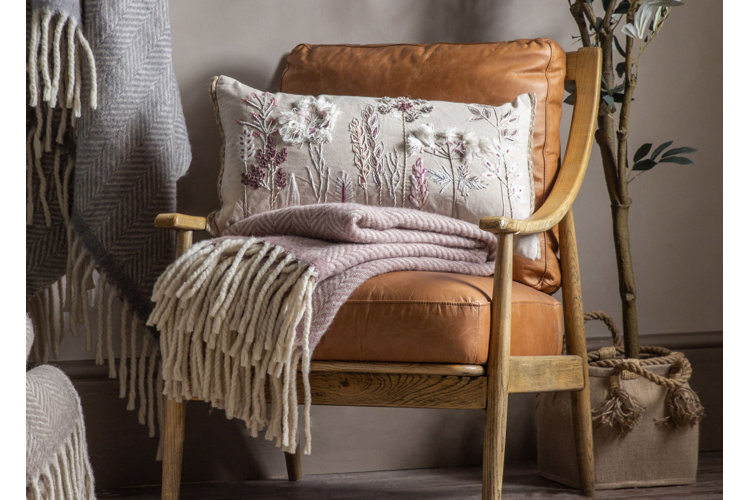
Humans have used wool for thousands of years, and it’s no wonder since this material is known for its durability and comfort. Wool is used to make various products, many of which you will find around your home. There are many different types of wool, each with unique qualities and uses. Read on to learn more about wool, where it comes from, and the products it produces.
What Is Wool & What Is Wool Made of?
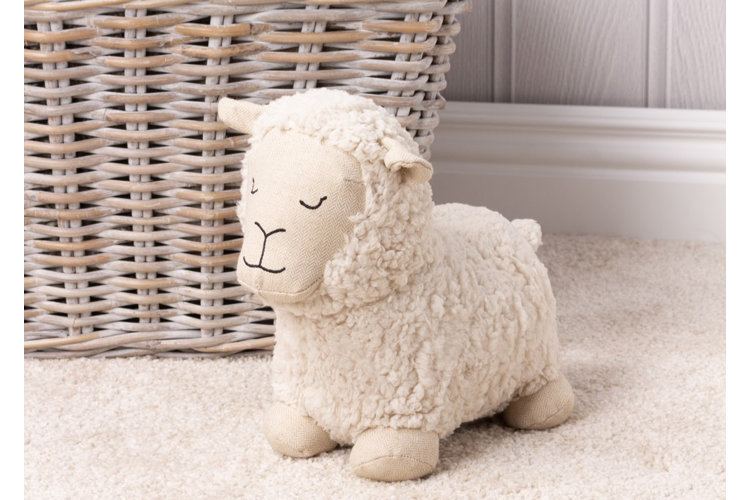
Wool is a natural fiber used in textiles – a protein fiber obtained from the hair or fur of sheep and other mammals that is turned into yarn and woven into fabric. Although wool is most commonly obtained from shearing sheep, it is also made from the hair of goats, alpacas, llamas, and rabbits. Wool has different types and grades, but it is generally considered a luxury fabric. The history of wool dates back to the Stone Age, with humans beginning to use it about ten thousand years ago. Australia is the biggest producer and exporter of wool today.
Types of Wool
Since wool comes from several different types of animals and goes through different weaving processes, there are many types of wool. Here are some of the most notable types of wool:
- Merino Wool: This type of wool is made from the hair of “Merino” sheep – a group of breeds bred for producing quality wool. Merino wool is known for its fine, soft texture, which makes it ideal for crafting clothing. Merino wool is also water- and odor-resistant. This is one of the most well-known types of wool in the world. Australia is the largest producer and exporter of merino wool.
- Cashmere Wool: This luxurious wool is made from the undercoat of cashmere goats, which originated in the Kashmir region of India. Cashmere is one of the softest and most luxurious types of wool. Since it is made specifically from the winter undercoat of cashmere goats, it is rare, and therefore, a very expensive wool. Cashmere is used to make a variety of clothing, such as coats, sweaters, socks, and scarves.
- Angora Wool: This wool is produced from the Angora rabbit’s long, silky hair. This wool is known for its fluffy texture. This wool produces very fine, satiny yarn, which is used to make luxury garments. While it is possible to harvest hair from Angora rabbits ethically, the industry has been criticized for unethical treatment of these animals. Due to the fineness of this wool and the effort that goes into ethically harvesting it, it is a very expensive type of wool.
- Virgin Wool: The term “virgin wool” simply refers to wool that is produced from a lambs first shearing. This wool from young sheep, also known as lamb’s wool, is known to be softer than that from older sheep. “Virgin wool” may also refer to new wool that has not been recycled, treated, or dyed. When considering virgin wool vs. wool, it's important to note that virgin wool is generally considered higher quality and is more durable than regular wool.
- Alpaca Wool: This wool comes from several breeds of alpacas bred to produce wool. Wool from younger alpacas is softer and more suited for wearable garments and blankets, while wool from older alpacas is rougher and can also be used to produce rugs and toys. Alpacas have been bred and used to produce wool in South America for thousands of years.
- Vicuna Wool: The Vicuna is a wild relative of the llama that lives in the Andes mountains of Peru. Vicunas must be caught to be shorn and produce a small amount of extremely fine wool. Due to this, vicuna wool is the most expensive wool in the world. True vicuna wool scarves and sweaters sell for thousands of dollars.
Benefits of Wool
- Durable: Wool fibers naturally have a high elasticity, which allows them to bend without breaking. This makes wool textiles wrinkle-resistant and very durable. Clothing, blankets, and rugs made of wool can last a long time when properly cared for.
- Comfortable: Wool is made up of protein fibers and lanolin (a waxy substance) that makes it water-resistant. Wool also has a moisture-wicking quality that prevents fabric from becoming damp and makes it a comfortable choice for clothing. Many varieties of wool are known for their soft texture, such as cashmere, angora and merino wool. These soft varieties make comfy sweaters, scarves, and blankets.
- Flame-Resistant: Wool is naturally fire-resistant and has a high ignition temperature of 1058-1112°F. The dense structure of wool prevents flames from spreading. When wool does catch on fire, it does not melt, drip, or stick to the skin like many synthetic materials do. Since it is a natural material, it does not produce toxic fumes when it burns. Wool is sometimes used in PPE for firefighters, due to its flame-resistant properties.
- Biodegradable & Environmentally Friendly: Since wool is a natural material composed of keratin, it is fully biodegradable and will break down when exposed to soil and water. When wool breaks down, it releases nutrients into the soil and can even be used as mulch in gardening. Since wool is produced by animals and harvested by farmers, it is a renewable resource.
What Is Wool Used for?
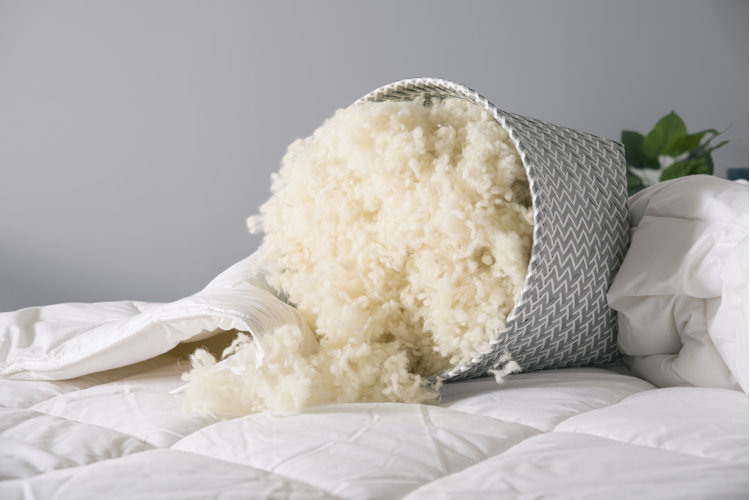
Wool is often used to make apparel and common household items and decor. Due to wool’s desirable qualities, it has several uses:
- Clothing: Different types of wool are used to make different pieces of clothing. Softer, finer types of wool are typically used to make sweaters and clothing that come in direct contact with the skin. Rougher types of wool like llama and camel wool are more suitable to make outerwear and suits that go over other garments. Wool garments typically have to be dry-cleaned since excessive water and heat can shrink or damage them.
- Insulation & Stuffing: Since wool is a great insulator, it is often used as stuffing and batting for pillows and quilts. Wool is also used for stuffing for toys and dolls.
- Blankets & Decor: Wool yarn is often used to make blankets. Softer types of wool, such as merino, cashmire, angora, and virgin wool, are typically chosen to make blankets. Wool blankets are also known for their heat retention and great insulation. Wool is also used to make decorative decor like tapestries.
- Rugs & Carpets: Rugs made of 100% wool are known for their durability and can last over twenty years if well cared for. Rugs are often made from sheep's wool but are also made from many other types of wool. Wool rugs can be more expensive due to their desirable qualities and the demand for wool.
Caring for Wool
With all its benefits, wool is also known for its somewhat high-maintenance care requirements. Many types of wool are prone to shrinking when exposed to excessive water and heat. It’s important to understand the cleaning and maintenance requirements for each wool product, whether it is clothing, bedding, decor, or an area rug. Many wool garments require dry cleaning or special washing instructions. The same applies to many wool blankets and pillows. While wool carpets are durable, it’s essential to keep them clean by vacuuming regularly, only using gentle cleaning solutions, and following manufacturer instructions when cleaning.
Tip!
If you want to make sure your wool products last as long as possible, make sure you take the time to learn how to care for them properly. Start with our guide on How to Wash a Wool Blanket.
