Your Guide to Glassware Materials
Ensure you choose the best glassware.
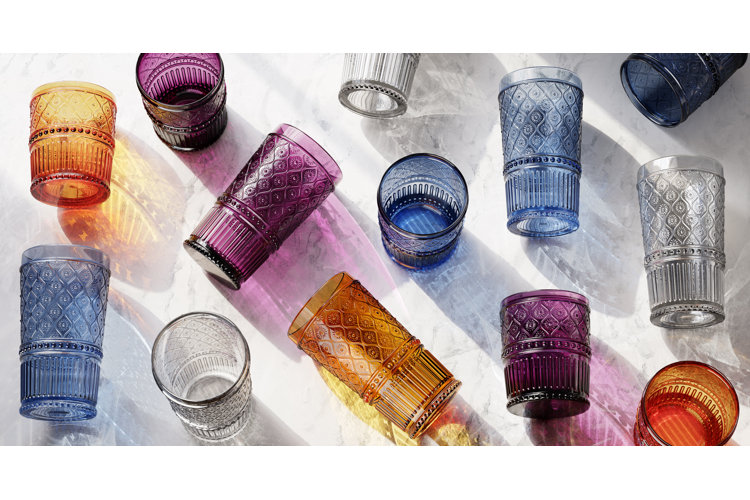
Glassware includes drinking glasses, cocktail or bar glasses, and wine glasses available in a wide range of materials. Since different glassware materials vary in durability or heaviness and can be easily mistaken for similar materials, we thought we'd highlight each option so you can make an informed shopping choice. This guide goes over every glassware material, including their durability level, how easy they are to hold, and additional characteristics.
Glassware Materials Explained
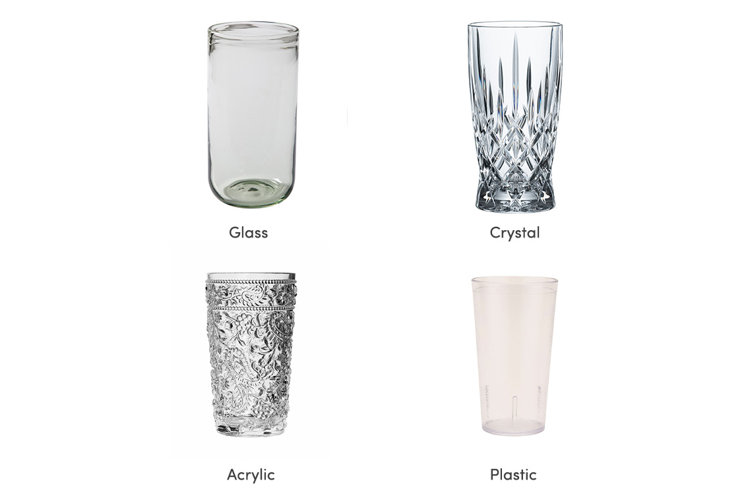
Here is an overview of drinkware material options and what to know before you buy:
Glass: Glass drinkware is made using a mix of silica (from sand), limestone, and soda lime, which is heated before being cooled quickly when it melts. This produces a material with a thicker rim, yet less durability and slightly less clarity compared to crystal. However, glass drinkware is considered relatively affordable, lightweight, recyclable, and usually dishwasher-safe.
Crystal: Crystal is also made with silica, limestone, and soda lime, with the addition of lead oxide to make it “crystal” clear and more durable than standard glass, while still being able to to take on a variety of shapes and designs. Due to its composition, crystal glassware is typically thinner, yet more durable and heavy compared to standard glass. The main benefit is its appearance and clarity – perfect for showcasing wine blends or cocktails. Check out Crystal vs. Glass Stemware: What Is the Difference? to learn more.
Acrylic: Acrylic glassware is designed to look like glass or crystal – but it's actually made from a type of plastic: polymethyl methacrylate (PMMA). Its construction gives it the clarity of crystal with the durability and lightweight properties of plastic. This type of glassware is typically more affordable than glass and crystal alternatives and suitable for outdoor spaces since it is shatterproof.
Plastic: Plastic drinkware is made from polycarbonates and other synthetic polymers. The result is a glass-like look that's lightweight, durable, and much more affordable. If you want a similar look to acrylic glassware but an even lighter feel, standard plastic is the way to go. Melamine drinkware falls into this category, and you typically see it used for outdoor glassware.
Silicone: Silicone drinkware is made using a blend of silicon (derived from silica), oxygen, hydrogen, and carbon. The result is a rubber-like material that pairs well with metal or plastic drinkware to provide a comfortable grip while preventing your hand from exposure to cold contents. Most silicone drinkware is dishwasher-safe and relatively lightweight (unless paired with a metal material).
Copper: Copper drinkware is excellent at keeping drinks cool (hence why Moscow Mules are often paired with copper mugs) and looks stunning. Keep in mind that copper is considered heavier compared to other metal drinkware like stainless steel. To add to the durability of copper drinkware, some manufacturers add a stainless steel lining.
Stainless Steel: Stainless steel drinkware is slightly lighter than copper, but it's still heavier than other options like acrylic or glass. The main benefits of this glassware material is that it's ultra-durable, rust-proof, dishwasher-safe, and has great temperature retention. Stainless steel mugs or cups may come with a silicone lining to protect your hands from extreme cold or hot temperatures.
Ceramic: Ceramic glassware is made with clay or a clay glass mixture, contributing to a heavy and durable product. Ceramic drinkware includes mugs, tea cups, and everyday drinking glasses. The main benefit is that they keep drinks hot for longer – perfect for a cup of tea, hot cider, or mulled wine. An added bonus, many ceramic pieces are painted with beautiful designs and color combinations.
(Shop this image: green wine glasses, green cocktail glasses, purple wine goblets, purple cocktail glasses, orange wine goblets, and orange cocktail glasses.)
Here are a few tips to help you find the perfect glassware material for your needs:
Filter by Material & Check the Product's Page
To ensure you choose the right glassware material on Wayfair.com, we recommend using the “Materials” filter on the left hand side of the browse page and also checking the “Specifications” tab for a particular product to make sure it's actually the material you want. As mentioned, glass, crystal, and acrylic materials can look super similar, so it's always helpful to verify the material before you add the product to your cart.
Consider the Material's Weight & Thickness
When filled with liquid and ice, a drinking glass will inevitably increase in weight, so it's important to think about how a particular glassware material may contribute to how light or heavy it is to hold. For reference, materials like glass, acrylic, plastic, and silicone are much lighter compared to thicker materials like crystal, stainless steel, copper, and ceramic.
Tip!
Features like whether glassware is break-resistant or insulated doesn't necessarily have an impact on if they're lighter or heavier.
- Most break-resistant options are made of plastic or acrylic – unless you go for a metal option like stainless steel.
- Insulated glassware can include layered glass, acrylic, or even plastic with silicone detailing to help prevent condensation and protect your hands from hot or cold liquid contents.
- So when shopping for glassware by feature, just keep in mind that the material will still influence how heavy the product is.
Think About the Texture & Feel of the Glassware
Whether the glassware is smooth, textured, or ribbed can also have an impact on how easy it is to hold and use.
- Silicone glassware is made to be comfortable to hold thanks to its rubber-like texture. This also makes it less likely to slip out of your hand.
- Glass, acrylic, and plastic glassware are available in a wide range of designs from smooth to patterned – so you can determine the most comfortable option.
- Crystal glassware can be smooth but usually has intricate textured details for added interest, making that something to keep in mind if you need a material that's easy to hold.
- Ceramic, stainless steel, and copper glassware materials are smooth to the touch. Some metallic glassware have hammered patterns that look great and make them easier to grip.
Tip!
In addition to the material it's made out of, a piece of glassware's shape and purpose should also be taken into consideration to ensure you get the best experience. Check out these guides to explore your options:
Types of Glassware: Find the Best Glass for You
Types of Cocktail Glasses & Other Bar Glassware Your Home Bar Needs
