What Is an Electric Grill?
What is an electric grill and is it right for you?
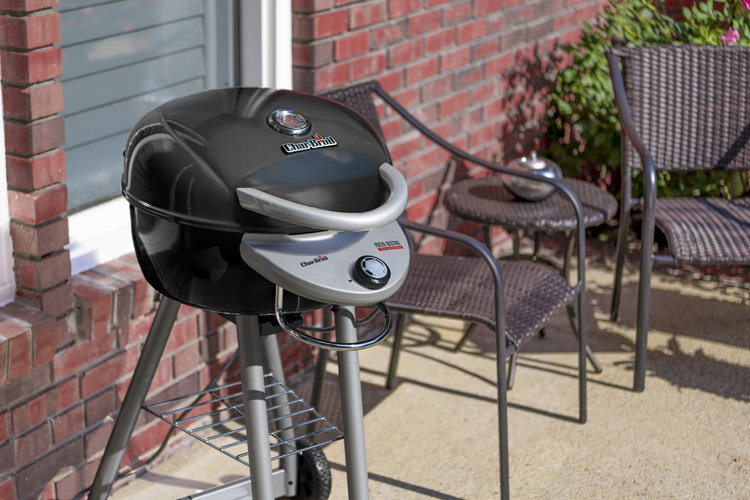
There's nothing better than grilled summer vegetables and a juicy hamburger straight from the grill — but first, you need the right grill. With so many different types out there, you may be wondering: what is an electric grill? Electric grills reign supreme when it comes to a stress-free grilling experience, thanks to their beginner-friendly designs. Keep reading to learn more about electric grill types and their benefits, or skip ahead for specific information to help you find the best outdoor electric grill for your next barbecue.
What Is an Electric Grill
Electric Grill Types
Electric Grill Sizes
Electric Grill BTU Output
Electric Grill Surface Materials
What Is an Electric Grill
An electric grill is an outdoor cooking appliance that heats and cooks a range of food from meat to fish, to vegetables. Electric grills are powered by electricity, meaning you don't need a propane tank, fire starter, or charcoal to heat up the grill top like you do with other grills. Because of this, electric grills are more user-friendly, safer (no flame), and consistently quicker to heat up, since outdoor elements like wind or rain don’t affect the ability of the grill to heat up (no flame to extinguish like with gas grills). Read more below about the differences between an electric grill and other grill types, to help you determine if an electric grill works the best for your barbecuing needs.
Electric Grills vs. Gas Grills
Electric grills work best for beginner grillers or anyone who wants consistency with little effort required. They differ from gas grills in their ease of use, how they heat up, the flavors they provide, and the heat settings available. So, how does an electric grill work?
While electric grills are plugged into an outlet to operate, gas grills rely on attached propane gas tanks or in the case of built-in grills, natural gas. Once plugged in, electric grills heat the grilling grates via underneath coils powered by electric current, allowing for a flameless grilling experience. Gas grills, on the other hand, heat up by lighting a flame powered by fuel.
Some of the benefits of an electric grill include the fact that they are flameless and run on electricity, electric grills are a go-to option for apartments or condos with small balconies or patios since they don’t violate rental space rules. They also don't release harmful chemicals into the air and provide a more energy-efficient grilling experience.
When you compare the cost effectiveness of an electric grill vs. gas grill, you will see they are more cost-effective options than gas, since most newer electric models don't use up a ton of energy (thus keeping your electric bill low!), and you don’t need to purchase and replenish fuel tanks like you do for gas grills.
Both electric and gas grills can efficiently heat and maintain cooking temperature, but gas grills take a bit more practice in order to learn how to cook with an open flame and adjust temperature controls according to the outside elements. That’s why electric grills are such a great choice for beginners!
Gas grills give food a more charred, smoky taste due to the presence of flames, while electric grills create a neutral flavor with the same grilled effect that you can season to your liking.
Electric Grills vs. Charcoal Grills
As opposed to an electric grill, which operates when plugged into an outlet, charcoal grills need charcoals, a fire starter, and a chimney starter in the event of wind or rain. As mentioned above, electric grills offer an easier, user-friendly grilling experience perfect for beginners or anyone who wants a zero-pressure grilling environment. Electric grills are also quick to heat up and won't lose their heat, unlike charcoal grills which require more time to heat charcoals and reach the right temperature.
The main difference between an electric grill and a charcoal grill comes down to the flavor. While charcoal grills produce food with a smoky after-taste, electric grills produce a neutral grilled taste with little to no hassle so you can season food how you like and appease everyone's taste buds at your next barbecue.
Electric Grill Types
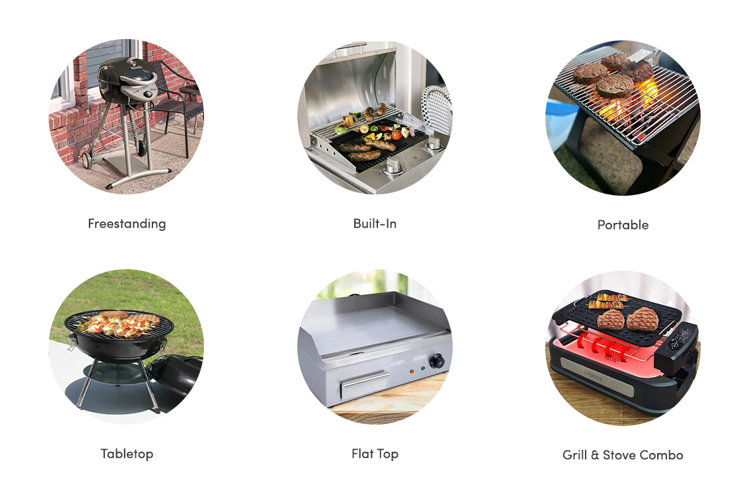
Electric grill designs come in a variety of configurations so you can choose the one that best suits the size of your space, your aesthetic preferences, and your barbecuing activities. Review the list below to determine the best outdoor electric grill type for you.
Freestanding:Freestanding electric grills don't require a table, countertop, or another surface to support the base. Freestanding models have their own frame that sits at chair- or table-height so you can comfortably flip burgers while standing. Because freestanding grills have their own supports, you can choose to grill on the patio, the deck, or in the yard as long as you have an extension cord long enough to connect the grill to an outside outlet. These types of electric grills also come in a variety of sizes so you can determine the best size for your grilling needs or outdoor space.
Built-In: Built-in electric grills complement outdoor kitchen areas and create a permanent spot for all of your grilling activities. Some built-in electric grills come with a power cord to plug into outdoor kitchen outlets, while others may require professional installation with an electrical hookup. Be sure to cover your built-in grill when not in use for long-term enjoyment.
Portable: As implied by the name, portable electric grills fulfill any on-the-go grilling needs. Portable electric grills include compact varieties that will easily fit in your trunk along with the rest of your camping or tailgating gear. Now you might wonder, how do you power a portable electric grill? It's more simple than you think! Look for a heavy-duty battery-operated power station meant for outdoor use and suitable for the voltage your grill uses.
Tabletop: Tabletop electric grills make barbecuing a leisurely activity, so you can sit at the table as you cook and chat with your friends and family. This means more small- or medium-size grills that can fit easily on the table without taking up too much space. Many tabletop electric grills work indoors too so you can grill on the kitchen counter or dining room table. Determine if a tabletop electric grill can go indoors by referencing the specifications tab on the product page.
Flat-Top: If you don't want the hassle of cleaning grates, flat-top electric grills could be your solution. As the name suggests, flat-top electric grills have a flat grilling surface free of grates or divots. This allows you to grill vegetables, meat, and fish as well as the occasional bacon strip or eggs for a grilled brunch without the need for a pan.
Grill & Stove Combo: Want the best of both worlds? Consider an electric grill and stove combo. These electric grills include a grill rack and either one or more burners beside it. This way, you can have corn-on-the-cob boiling to one side as you grill chicken on the other side, thus saving you valuable time trekking back and forth from the grill to the kitchen stove. Another common configuration includes a layered design with grill racks on the top-most layer and a bottom layer made for small pans to fry eggs or sauté vegetables.
Discover the best electric grill size for your space and lifestyle by reviewing these size options:
Mini: Mini electric grills usually come in portable or tabletop varieties for small space grilling or on-the-go meals. They usually have a width of no more than 20" and can fit an average of five or fewer burgers at a time (this may vary depending on the size of the food you plan to cook). Their small cooking volume makes mini electric grills the perfect addition to small dinner parties and patio barbecues with just a few of your closest friends or family members.
Small: Like mini varieties, small electric grills come in portable or tabletop configurations, but they also come in more compact freestanding or built-in designs, giving you a bigger variety of types to choose from. You can usually fit around 10 burgers on this size grill, as small electric grills range from 20" to 26" in width.
Medium: Medium electric grills typically come in freestanding, tabletop, or portable configurations and range from 27" to 33" in width. Medium-sized electric grills can fit anywhere from 10 to 20 burgers at a time, so they can accommodate larger dinner parties with 10 or more people.
Large: Large electric grills include freestanding or built-in models meant to maximize the amount of food you can grill at any given time. They typically have a width of 34" or longer and have the capacity to cook 20 or more burgers at a time, making large electric grills a must-have for plentiful outdoor spaces and frequent entertainers.
The surface material of your electric grill can influence a range of factors including cook time, clean time, and the types of foods that cook the best on them. Review these grill surface types and their benefits to get a better idea of the best outdoor electric grill surface for your needs:
Metal: Metal grill surfaces can be made of a wide variety of metals, from carbon steel to cast iron blends, stainless steel, or enamel-coated options. This makes metal grill surfaces optimal for transferring heat from the electric coils beneath to slabs of meat, vegetables, and other barbecue must-haves. Metal grills usually come with a non-stick coating for a stress-free cleaning experience and for easy food transitions from the grill to the table.
Porcelain-Coated Grates: Electric grills with porcelain-coated grates make cleaning up a breeze, as well as protect the base metal from rust or corrosion over time. Be sure to clean porcelain-coated grates with a sponge or rag instead of scraping them with a spatula to keep the coating intact and guarantee long-term quality. The best part about porcelain-coated cooking surfaces is that they include non-stick properties so you don't need to worry about meat scraps or oils getting stuck in the grates.
Steel: Steel grill surfaces have a very affordable price point, and they cook a variety of meats and vegetables to perfection without the addition of a metallic after-taste that can occur with other metal grill surfaces. Steel surfaces also heat quickly, meaning less preheat-time and a quicker transfer from the grill to table. Be sure to clean and dry steel grates after each use to prevent build-up and prolong its lifespan.
Aluminum: Aluminum grill surfaces heat and cool quickly, so you can streamline the time spent waiting to cook and waiting to clean-up. Make sure to avoid adding acidic foods like citrus fruit, tomatoes or vinegar directly to aluminum cooking surfaces, as this can create unwanted flavors and minimize the lifespan of aluminum surfaces over time.
Cast Iron: Cast-iron cooking surfaces take a bit longer to heat up, but they retain heat well and ensure the whole cooking surface receives even heat from the electric coils below – meaning evenly-cooked burgers, hot dogs, or grilled chicken with a delicious seared flavor. Be sure to thoroughly clean and dry cast-iron cooking surfaces after using them to prevent rust. For the best results, refrain from cooking any acidic foods or seasonings on cast iron, as the acidic components can eat into the iron with frequent usage. This includes tomatoes, wine-soaked meat, vinegar, and surprisingly enough, eggs.
Chrome: Chrome grates not only contribute a sleek look to your BBQ space but also make it an incredibly versatile cooking space. You can cook a variety of meats, vegetables, and other food items on chrome grill surfaces without worrying about stick issues (meaning hassle-free cleaning for you). Chrome cooking surfaces also prevent food from darkening, which preserves the fresh look and taste of omelets or delicate fish dishes.
Electric Grill BTU Output
BTUs, which stands for British Thermal Units, measure how efficiently a grill heats up based on its surface area. More specifically, they measure how much heat (thermal energy) you need to increase one pound of water's temperature by 1° Fahrenheit. In grill terms, this means how many thermal units you need to heat up the surface area of your grill. As a general rule of thumb, you need approximately 70–100 BTUs for every square inch of space on your grill. Check out the ranges of BTUs listed below and which size electric grills they correspond to in order to figure out how many BTUs you’ll need for your desired cooking style.
0–5,000 BTUs: Electric grills with a BTU of zero to 5,000 include mini and small grills that are either tabletop or portable configurations with a compact surface area to grill on. Zero to 5,000 BTU ranges can efficiently heat up to 66 sq. in. of cooking space, and typically include a single burner beneath the grate or two compact burners so you can change up the temperature for different meats.
5,000–10,000 BTUs: Electric grills with a BTU of 5,000 to 10,000 include small or medium grills in tabletop or portable configurations. This BTU range can heat cooking surfaces 66 to 133 sq. in. in size and feature either one large burner or two equal-size burners.
10,000–15,000 BTUs: The range of 10,000 to 15,000 BTUs heats small and medium grills with 133 to 200 sq. in. of cooking space. These grills include tabletop, portable, freestanding, or built-in models and come with one large burner or two burners.
15,000–20,000 BTUs: Electric grills with 15,000 to 20,000 BTUs include freestanding, portable, and tabletop models that come in small or medium widths. BTU ranges of 15,000 to 20,000 can efficiently heat up cooking surfaces with 200 to 266 sq. in. and feature either one large burner or two burners.
20,000 + BTUs: Electric grills that have 20,000 BTUs or higher heat up the largest surface area, with a range of 266 sq. in. or more. This is a common BTU range for freestanding models or electric grill-and-stove combos that need to efficiently heat one, two, or three burners at a time.
Now you know the answer to your question 'what is an electric grill?', it's time to get browsing:
