Dryer Buying Guide: How to Choose the Right Appliance
Laundry day just got better.
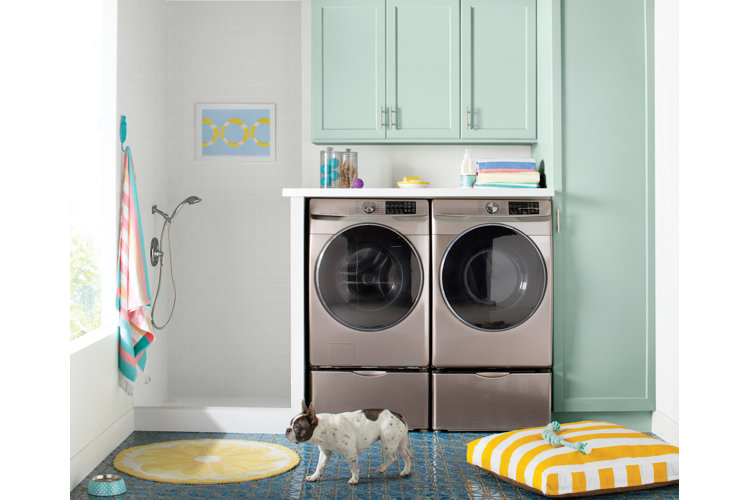
Whether you’re finally breaking up with the laundromat or upgrading your current unit, there’s truly a laundry list of things to keep in mind when shopping for a new clothes dryer. Follow these steps to help you find the perfect dryer for your laundry room upgrade.
1. Decide Between Gas vs. Electric Dryers
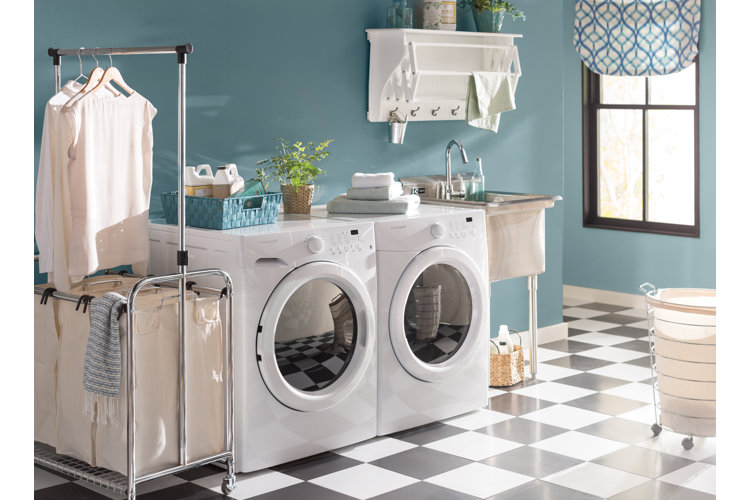
All dryers have one of two distinct fuel types that they use to heat their drums: gas or electricity. When considering a gas vs. electric dryer, know that the appliance you choose will impact your home's energy consumption (and likely your energy bill).
Gas: Natural gas can heat your dryer faster and more intensely than electricity, which means quicker drying cycles and more effectively dried clothing. Gas dryers typically cost more upfront than electric dryers but they are less expensive to run – saving you money in the long term. If your laundry room is not already equipped with a gas line, this will cost more to install.
Electric: Electric dryers plug into your home's existing electrical system and use electricity to produce heat. This is an accessible energy source that doesn’t require a gas line, but it's unfortunately not as energy-efficient as natural gas. While electric dryers are less expensive up front, they will likely raise your monthly electric bill and cost more over time.
Tip!
Unsure what fuel source your existing dryer runs on? An easy way to find out is to search your dryer's model number online. If you can't find your dryer's model number, peek behind your machine and check whether it's connected to a large industrial outlet (electric) or a valved pipe (gas).
2. Compare Voltage Levels
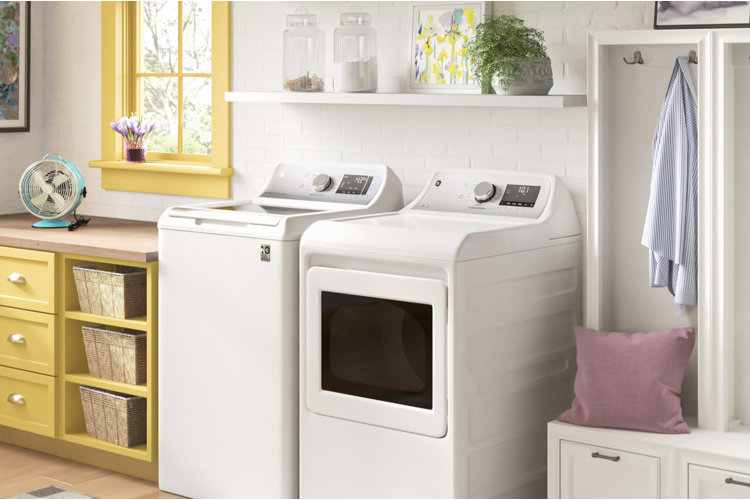
In order to function properly, all dryers need to be connected to an electrical outlet with a voltage that can handle its electrical power needs. Most modern dryers have one of two voltage requirements, in the range of 110–120V or 220–240V.
120V: Gas dryers and super small electric dryers typically require a 120V output to function, which can usually be supplied by your household's common electrical outlets (most North American electrical outlets use 120V circuits).
240V: Most medium and large all-electric dryers need to be plugged into a 240V outlet to function properly. 240V outlets are not the typical electrical outlets you'd see all around a home; they are large, industrial-looking outlets. Be sure you have access to this type of outlet before installing a large appliance.
3. Choose a Preferred Vent Type
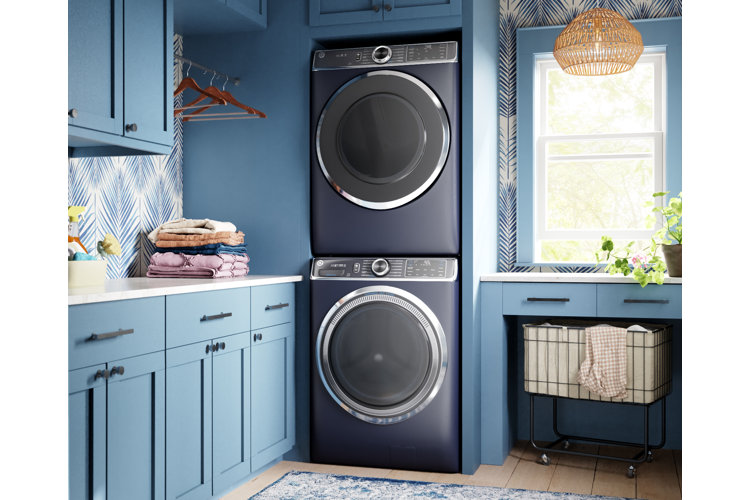
Though most dryers are vented, some are ventless to benefit those in specific living arrangements. In this section, we discuss the pros and cons of both vented and ventless dryers.
Vented: Most dryers require exhaust channels (or vents) where they can release their hot air and moisture to prevent overheating and limit fire risk. These vents connect your dryer to the outside of your home and are typically made of flexible metal, usually aluminum. If you don’t have a vent hole in your home, you’ll need to have one installed to accommodate this type of dryer. Vented dryers can dry clothing more efficiently and tend to cost less upfront than ventless dryers. However, they aren't very energy-efficient and can cost you more in the long run.
Ventless: Ventless dryers do not require vents to function safely – making them great for extremely compact homes or apartments that might not have easy access to the outdoors. Ventless dryers are available in two dryer types: condensing dryers and heat-pump dryers that recycle the hot air through processes of condensation or evaporation respectively. Because they collect the water, ventless dryers typically take longer to dry your clothes and require draining every so often. While they are easier on your electric bill and don’t require vent installation, ventless dryers can cost more upfront.
Tip!
Don’t forget to clean your lint filters regularly – it helps save energy, improve performance, and minimize fire hazards.
4. Determine the Necessary Size & Capacity
When selecting a dryer, there are two elements of size to consider: the physical space the dryer will take up in your home (its dimensions) and the dryer's load capacity.
Dryer Dimensions
Before you can buy a dryer, you must measure the height, width, and depth of your new dryer's prospective location. Be sure to leave 3" – 5" of extra space in the back for heat clearance, pipes, and wiring and at least 1" of space on either side for air circulation. Also measure the clearance in front of the dryer to ensure front-loading appliances have enough space to open fully. Finally, measure the width of any doorways leading to the laundry room to make sure the new appliance can fit during installation.
Tip!
Lacking floor space? Stacking your units is a great space-saving option, and you can easily elevate your dryer with a pedestal or stacking kit. Be sure to choose stackable appliances if you plan to use this layout.
Dryer Capacity
Generally, your dryer capacity should be approximately twice that of your washing machine to ensure that each full load of laundry has enough space to dry efficiently. Dryer capacity is listed in cubic feet. For reference, 1 cubic foot can hold about 4 pounds of laundry.
Up to 3.9 cu. ft.: Dryers in this category are the smallest available, with capacities ranging from under 1 cu. ft. to just under 4 cu. ft. They boast compatibility with washing machines with capacities of up to 2.5 cu. ft. and are excellent for one- or two-person households.
4–5.9 cu. ft.: Compatible with washing machines with capacities of 2.5–3.5 cu. ft., dryers in this category are considered some of the larger dryers available, great for small to midsize families.
6–7.9 cu. ft.: Designed with utmost efficiency and user-friendliness in mind, large dryers with capacities between 6 and 8 cu. ft. are incredible for large families who do laundry often. These dryers, made to accompany washing machines with capacities of 3.5–5 cu. ft., may be on the bulkier and more expensive side, but they will save you time and energy.
8 cu. ft. & Above: The largest dryers available, dryers that can hold 8 cu. ft. and greater are optimal if your family processes a lot of laundry. These dryers are designed to be used with washing machines with capacities of 5 cu. ft. and over and are great at handling multiple towels or pieces of bedding at a time.
5. Factor in Installation Requirements
In addition to dryer types, installation is another key consideration. Each type of dryer has its own installation requirements, so it's best to check the manual provided by the manufacturer.
Gas Line Access
Because gas dryers need to be connected to a gas line, we recommend hiring a professional to ensure that your gas dryer is installed correctly. If your home doesn't already have a gas line in place, you'll need to hire a professional to do this as well. Adding a gas line to your laundry room often ranges from $1,000 to $2,000.
Outlet Type
If you're installing an electric dryer, you'll need access to a 120V or 220V outlet. Large appliances like dryers require 3- or 4-prong plugs, rather than the 2-prong plugs you might be used to. Check your laundry room to see if you have the necessary 3- prong outlet or a 4-prong outlet. If your home doesn’t have an outlet that matches your new dryer, you can find an adapter that converts the outlet. Some dryer units don't include an electric cord and require you to purchase the cord separately to ensure you have the right type and voltage for a proper installation.
Vent Placement
For vented dryers, you should consider the placement in your home very carefully. This type of dryer needs a vent that runs through a window or an exterior wall, so you may have to cut a hole in an exterior wall if your laundry room doesn't already have a dryer vent installed. It's important to keep the duct for the dryer vent as short and straight as possible to reduce any safety hazards, such as lint buildup.
Many modern dryers are outfitted with features that would put a clothesline to shame. Here are some you should look out for.
Stackable: Concerned about floor space? A stackable dryer can be placed atop a compatible stackable washing machine to save you space and ease your back. Stackable units are excellent for compact laundry rooms and can even be placed inside cabinet-like casings for an attractive look.
ENERGY STAR–Certified: ENERGY STAR, a government program that promotes energy efficiency, certifies certain dryers that use 20% less energy than traditional dryers. These dryers, equipped with energy-saving functions such as moisture sensors, can save you money while benefiting the environment. With an ENERGY STAR certification, you can feel good about your choice of dryer.
High-Efficiency: So-called "high-efficiency" dryers have a series of energy-saving functions that can help cut down on your energy bill, including temperature and moisture sensors that stop the drying cycle when the dryer has detected that the clothes are done drying.
Sensor Dry: Tired of damp or staticky clothes? Look for a dryer with sensor-drying technology that will automatically stop drying when your clothes are perfectly dried, no more and no less. As we mentioned earlier, sensor-drying dryers can also save you money and improve your home's energy efficiency, as your dryer will only be working when your clothes still need drying.
Steam Dry: Compared with a traditional dryer that uses hot air to dry clothes, steam-dry dryers can also employ hot, moist air to smooth out wrinkles in clothing as it dries. Steam drying can help improve the longevity of some of your articles of clothing and can even save you on your energy bill.
Wi-Fi Connected: Wi-Fi-connected or "smart" dryers connect to your home's internet to provide you with revolutionary wireless monitoring and control. With a Wi-Fi-connected dryer, you can monitor your clothes as they dry and receive alerts about your dryer's progress right on your phone. These dryers can often even be linked to your home's existing smart technology system.
