DIY Outdoor Flooring Ideas for a Dreamy Patio Alternative
Create your dream backyard!
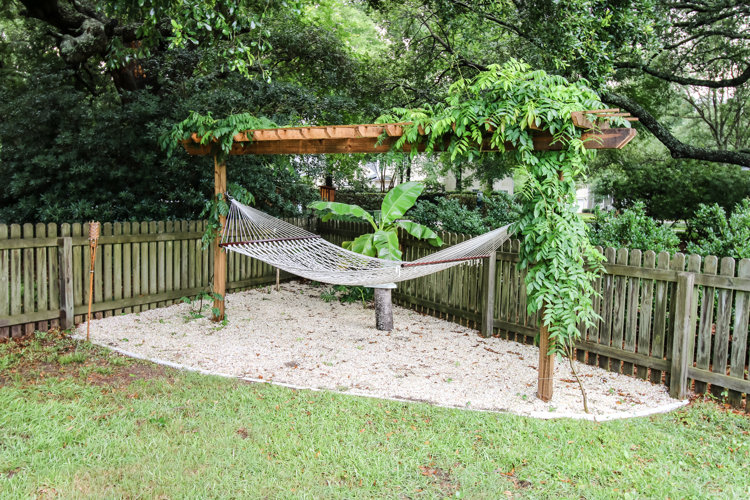
As the weather warms up, one of the best places to entertain is in your own backyard. Whether you want to eat, chat, or simply kick your feet up, having the perfect patio setup makes outdoor living even better.
Traditional patios are usually either poured concrete or a raised wooden deck. It is expensive to hire a contractor to build either of these projects, and while they can be DIYed, they are still costly and very time-consuming to do yourself.
If you want to create your own outdoor oasis on a budget, here are three ideas for DIY outdoor flooring options for your patio space.
Pebbles
Pebbles are a very common low-cost patio alternative. Be sure to lay down a weed barrier first, and then just dump bags of pebbles where you want the entertainment space to be (aim for at least 3 inches deep). It creates an instant patio!
Pros:
Pebbles are relatively inexpensive and widely available at hardware and garden stores. They are easy to transport, as they come in manageably sized bags. If you don’t have a truck or trailer, you can still get them. They naturally lend a casual, almost beachy feel to any outdoor space!
Cons:
Even if you use a weed barrier, weeds tend to grow through the pebbles. You will need a plan to spray or pull them by hand. They can also shift outside of the zone if you don’t apply a border. Also, if you have small children, small pebbles could pose a choking hazard if your children are left unattended.
Pavers are the best way to get a concrete patio look without having to pour a large concrete patio yourself. You can purchase ready-made stone pavers or use a concrete mold to create your own!
Pros:
Pavers create a firm patio surface that is similar to concrete but much easier to lay yourself. You can orient them in a variety of designs and layouts to reflect your home’s style.
Cons:
Pavers can become uneven as they shift and settle into the ground. Prevent this by really leveling and compacting your soil very well prior to laying the pavers. You will also need to put something in the gaps between the pavers. Gravel is an option, as well as growing moss or grass or laying a sand such as polymeric jointing sand.
For a very natural, earthy look, consider growing a moss patio by letting the moss take over. Moss patios do best in environments where moss grows naturally – usually shaded spots. Remove any existing grass or plants and keep the moss shaded and moist to encourage growth. You can also create a “moss milkshake” by combining moss, water, and buttermilk in a blender, and spread it to encourage moss to grow.
Pros:
Growing a moss lawn is free. If moss already grows, just take time to care for it, encourage its growth, and shape it for your space. Additionally, moss is very soft underfoot and feels like a natural carpet. Finally, once your moss has grown in, it requires zero maintenance!
Cons:
Moss is a soft surface. So, things like patio tables or chairs could sink into it. The biggest con for creating a moss patio is that it could take years for moss to grow in for a completely lush look.
If you want to create a patio on a budget, think outside the box! There are many ways to DIY the patio of your dreams without having to hire a contractor.
Morgan McBride is DIY lover and home decor enthusiast living in Charleston, South Carolina. She has been blogging at CharlestonCrafted.com alongside her husband since 2012, where they empower their readers to craft their home into their dream home through the power of DIY.
