How to Create a Container Garden
Create the perfect yard!
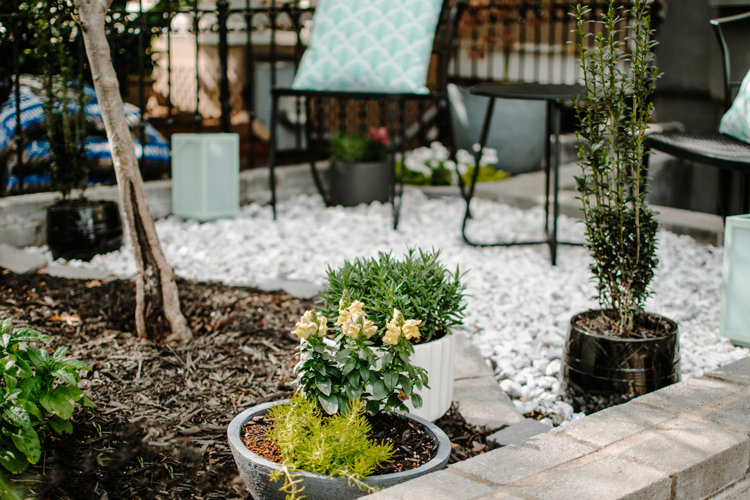
Whether you have limited outdoor space, less-than-ideal soil, or a patio that’s begging for color, planting a container garden is one of the easiest ways to start flexing your green thumb. Plus, it gives you the opportunity to layer color and texture in both your container selection and your plant arrangements.
All it takes to get started is a bit of know-how to familiarize yourself with the best containers and plants for your location, a couple of supplies ranging from tools to planters to soil, and a few hours to pull it all together. Are you ready to get started?
Step one: Assess your outdoor space and do your research.
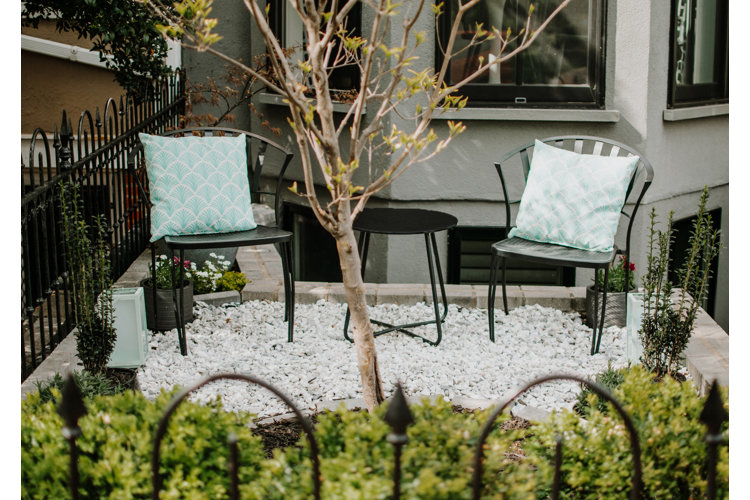
Does your patio soak up the sun from morning to evening? Does your balcony receive limited afternoon rays? Take note of the sun’s pattern on your outdoor space over the course of a few days to determine whether you need sun-loving plants or if you’re going to explore those that will thrive in the shade.
Beyond the sun’s daily appearance, how much time and work are you willing to put into the garden? Are you up for daily watering and occasional pruning? Or do you prefer a more low-maintenance situation? These are factors to take into account as you research the best plants for your container garden.
Gardening note: When a plant requires full sun, that means six to eight hours per day. A plant that needs part sun or part shade will be happy with four to six hours of sun per day. A shade plant can survive on only three hours of sun per day.
Step two: Make a list of your supplies.
Planting a container garden could be one of the easiest DIY projects you’ll take on! All you need is a small garden shovel, garden gloves (if you’d rather keep that manicure intact), containers/planters, plants, and potting soil. For a small container garden, you could spend less than $10 if you opt for plastic planters or simple terracotta pots. However, you’ll find that planter prices run closer to $20 – $50 depending on size and material.
Step three: Consider the material of your planters.
Selecting the correct material for your plant containers is critical. Not all planters will stand up to the elements in the same way. Clay and ceramic planters are prone to cracking throughout the winter, as they freeze and expand in extreme temperatures. If you plan on leaving your container garden outside, this is something to consider.
Plastic planters, however, will handle winter weather beautifully – plus, they’re lightweight and easy to move around as your garden evolves. Metal and fiberglass are also great options if you anticipate freezing temperatures.
Gardening note: Always check to make sure you’ve removed the plastic plug in your pot’s drainage hole!
Selecting the correct size of your containers is a twofold process. First, make sure the planter is the right size for the corresponding plant. It should be 2–4 inches larger than the plant’s current root ball. For a tall plant, choose a tall planter, and for shorter creeping plants, choose a shallow planter.
Secondly, consider how the size of the selected planters work together. A patio full of containers that are equal in size isn’t as stylistically interesting as those that differ in height and width. Layer them together to create a visually appealing arrangement.
As you’re researching the types of plants to include in your container garden, a catchy phrase will pop up again and again: thrillers, fillers, and spillers. This rhyming ditty is meant to guide gardeners as they choose the right plants to complement each other.
All three can live together in one container – or you can devote a container to each. The thriller should be big, bold, and colorful. It’s the star of the show. A filler will do exactly what its name suggests: It fills in the space that would otherwise simply be soil. And the spiller is the can’t-be-tamed wild child of the group, spilling over the sides and lending an organic feel to your container arrangement.
Step six: Vary perennials, annuals, and evergreens.
When you’re choosing your thrillers, fillers, and spillers, consider how these particular plants will respond to the conditions. Select plants that require similar levels of sun and water, because once they’re in the same container, it’s not going to be easy to tend to them individually.
Additionally, think about how you can combine perennials, annuals, and evergreens so your planters are never without greenery and color. Different flowers bloom from late winter through fall, so stagger these for year-round garden interest.
Step seven: Set your plants up for success with soil, fertilizer, and water.
Give your green thumb a fair shot by using potting soil designed specifically for planting in containers, and do your research on whether your chosen plants require a specific type of soil. Particularly when it comes to succulents, cacti, and tropical plants, your plants may have particular soil needs.
Once your plants have had time to acclimate to their new container homes, replenish their nutrients with fertilizer every few weeks. And of course, don’t forget the water. From that first repotting to quenching their thirst on hot, sunny days, keep those plants hydrated.
Gardening note:Prepare to refill potting soil as needed. A big summer rainstorm can wash away soil, and plants need adequate soil to survive!
The research, the container selection, the careful plant consideration – that’s all done! Now, it’s time to plant.
First, fill the planter with potting soil up to just a couple of inches below the top of the container. Next, dig a hole that matches the size of the plant’s root ball, gently loosen the root ball, and set it in the hole. Carefully fill in the soil around the plant. Lastly, give it a generous first watering.
With these easy steps, your container garden is on its way to becoming the focal point of your outdoor space! And regardless of whether it’s gracing a tiny city balcony or an expansive suburban veranda, this style of garden is sure to wow.
Heather Bien is a Washington, DC-based blogger, interior stylist, and design writer. She creates spaces that feel both intentional and approachable, and she's never one to shy away from a bold pattern. These days, you'll often find her perfecting the art of outdoor living and embracing her green thumb.
