How to Choose the Best Patio Heater for Your Home
Enjoy your patio all night long.
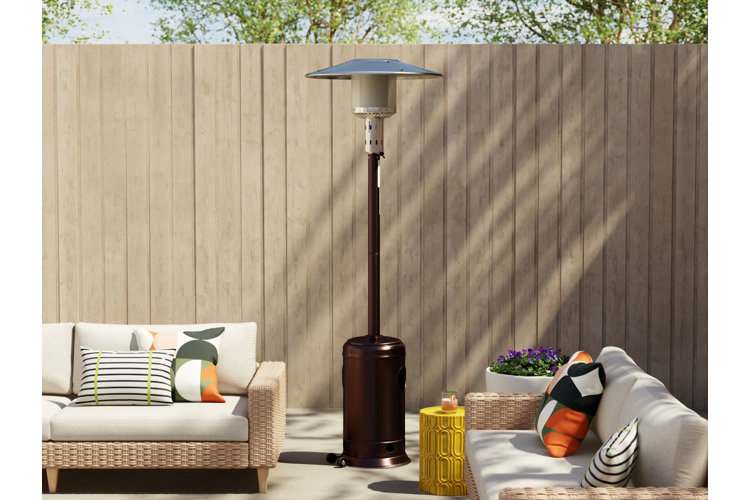
Create an outdoor space you'll want to enjoy long after the sun goes down with the help of a patio heater. Whether you're hosting friends, dining outdoors, or simply relaxing on the patio, the right heater can extend the life of your outdoor space through cooler evenings. This guide covers the different types of patio heaters, fuel sources, and sizing considerations to help you find the best option for your home.
The Best Patio Heater
The best patio heater for your home depends on several factors, including the heat type, heat range, design, and special features that best suit your outdoor space and lifestyle. Use the table of contents below to jump to the section you'd like to explore first.
Patio Heater Designs
Patio Heater Fuel Types
Heat Range Diameter
Best Patio Heater Special Features
Patio Heater Designs
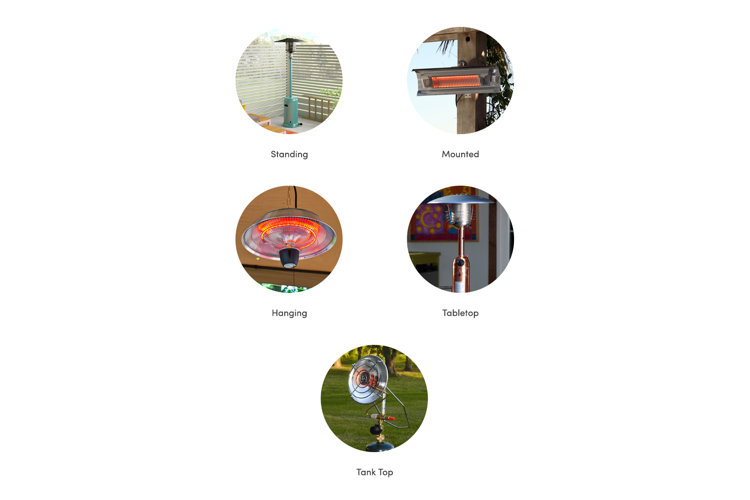
Heater design is another important consideration when choosing the best patio heater. Think about where you plan to place it, as well as whether you'll want the flexibility to move it between different outdoor spaces.
Standing: Standing patio heaters are full-size models that typically include a built-in compartment to conceal the propane tank. Many feature wheels for easy mobility, making them a great choice for entertaining on patios and decks. Depending on the model, standing heaters can warm areas within a 20-foot radius or more.
Mounted: Wall-mounted patio heaters are ideal for smaller outdoor spaces with limited floor space. Designed for permanent installation on a patio, deck, or sunroom wall, they're typically electric and provide targeted warmth without taking up valuable square footage.
Hanging: Hanging patio heaters are suspended from the ceiling, making them a space-saving option for patios, covered decks, and sunrooms. Because they don't occupy floor, wall, or tabletop space, they're well suited for compact outdoor areas. Most hanging models are electric and intended for permanent installation.
Tabletop: Compact and portable, tabletop patio heaters are perfect for outdoor dining tables and small gatherings. Available in both electric and propane models, they provide localized warmth without requiring much space. Propane versions typically house a small fuel cylinder within the base.
Tank Top: Tank top patio heaters attach directly to the top of a standard propane tank, creating an affordable and portable heating solution. They're easy to set up, require minimal maintenance, and are a practical choice for workshops, garages, campsites, or outdoor spaces where occasional supplemental heat is needed.
Choosing the best patio heater starts with selecting the right fuel type for your outdoor space and lifestyle. The three main options, propane, electric, and natural gas, each offer their own advantages depending on your heating needs, installation preferences, and available utilities.
Propane: Propane patio heaters are a popular choice because they're easy to set up and don't require a permanent gas line. Simply connect the heater to a compatible propane tank according to the manufacturer's instructions, and you're ready to enjoy adjustable outdoor heat. Some models include a propane hose, while others require one to be purchased separately, so be sure to check the product details.
Because propane is stored in a tank, it will need to be refilled or exchanged periodically, depending on the tank size and how often you use the heater. Another advantage is portability – many propane heaters feature wheels or lightweight designs, making it easy to move them around your patio as needed. Always follow the manufacturer's clearance and placement recommendations for safe operation.
Electric: Electric patio heaters plug into a standard outlet or are hardwired for permanent installation, depending on the model. They produce heat without combustion, making them a low-maintenance option that doesn't require fuel refills. Portable electric models are quick to set up, while mounted versions can provide a more permanent heating solution.
Because they don't produce combustion gases, many electric patio heaters can be used in covered outdoor areas and, if rated by the manufacturer, certain indoor spaces. Just be sure there's an appropriate power source nearby and always follow the manufacturer's installation and usage guidelines.
Natural Gas: Natural gas patio heaters connect directly to your home's natural gas supply, providing continuous fuel without the need to refill or replace tanks. Because they require a gas line connection, these heaters are designed for permanent installation and must be installed by a qualified professional. Natural gas models are available in a variety of styles, including freestanding, wall-mounted, and overhead options, making them suitable for many outdoor spaces.
While professional installation adds to the upfront cost, natural gas heaters often have lower operating costs than propane models, making them a great choice for homeowners who use their patio frequently.
A patio heater's heat range determines how much of your outdoor space it can comfortably warm. When choosing the best patio heater, consider the size of the area you'd like to heat and where family and guests are most likely to gather.
Tip!
Patio heater performance is often measured in British thermal units (BTUs), which indicate how much heat a heater can produce. In general, a higher BTU rating means a greater heat output and the ability to warm a larger area, though factors like heater design and weather conditions can also affect performance. You can find a patio heater's BTU rating in the product specifications on Wayfair.
Best Patio Heater Special Features
In addition to type and design, there are a few special features to consider when determining which patio heater is best for your home.
Safety Shutoff: Patio heaters with a safety shutoff automatically stop the flow of fuel if the flame goes out or another safety issue is detected, helping reduce the risk of gas leaks.
Safety Certified: Safety-certified patio heaters have been tested to meet recognized safety and performance standards, such as those established by the CSA, giving you added confidence in their operation.
Tip-Over Switch: If the heater is accidentally knocked over or tilted beyond a certain angle, a tip-over switch automatically turns the unit off for added safety.
Pilot Light: Gas patio heaters with a pilot light use a small, continuously burning flame to ignite the main burner, making startup quick and reliable.
Portable: Portable patio heaters are easy to reposition, making it simple to bring warmth wherever it's needed throughout your outdoor space.
Indoor/Outdoor Use: Heaters rated for indoor and outdoor use offer greater versatility and may be suitable for covered patios, screened porches, or indoor spaces when used according to the manufacturer's instructions.
Remote Control Included: Conveniently adjust the heat settings or power your patio heater on and off from a distance with an included remote control.
Tip!
Looking for more types of patio heating? Read our guide on Heating a Patio: How to Choose the Right Type of Outdoor Heater to learn about fire pits, chimineas, outdoor fireplaces, and more.
